Kew Gardens
By Josh Fairhead • 11 minutes read •
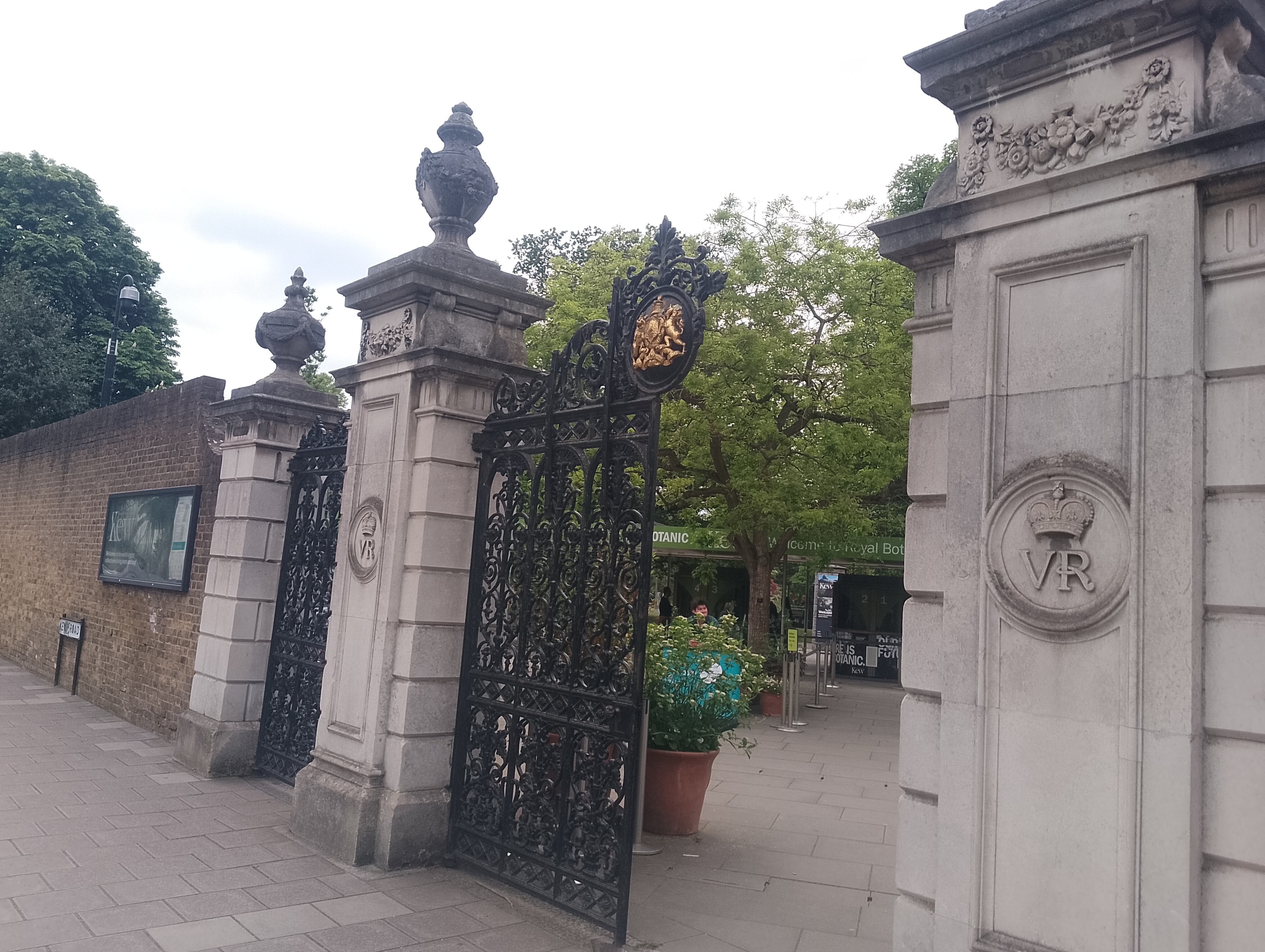
Just a quick blog post to remember the visit to Kew Gardens on the 4th of May with two of my oldest friends and ex-flatmates, Darren and Maretta, with whom I’ve been staying.
First things first: a debate about which way to go, settling on the gift shop as Maretta wanted a plant. I wanted to go counter-clockwise around the gardens as that was where the majority of the greenhouses were situated.
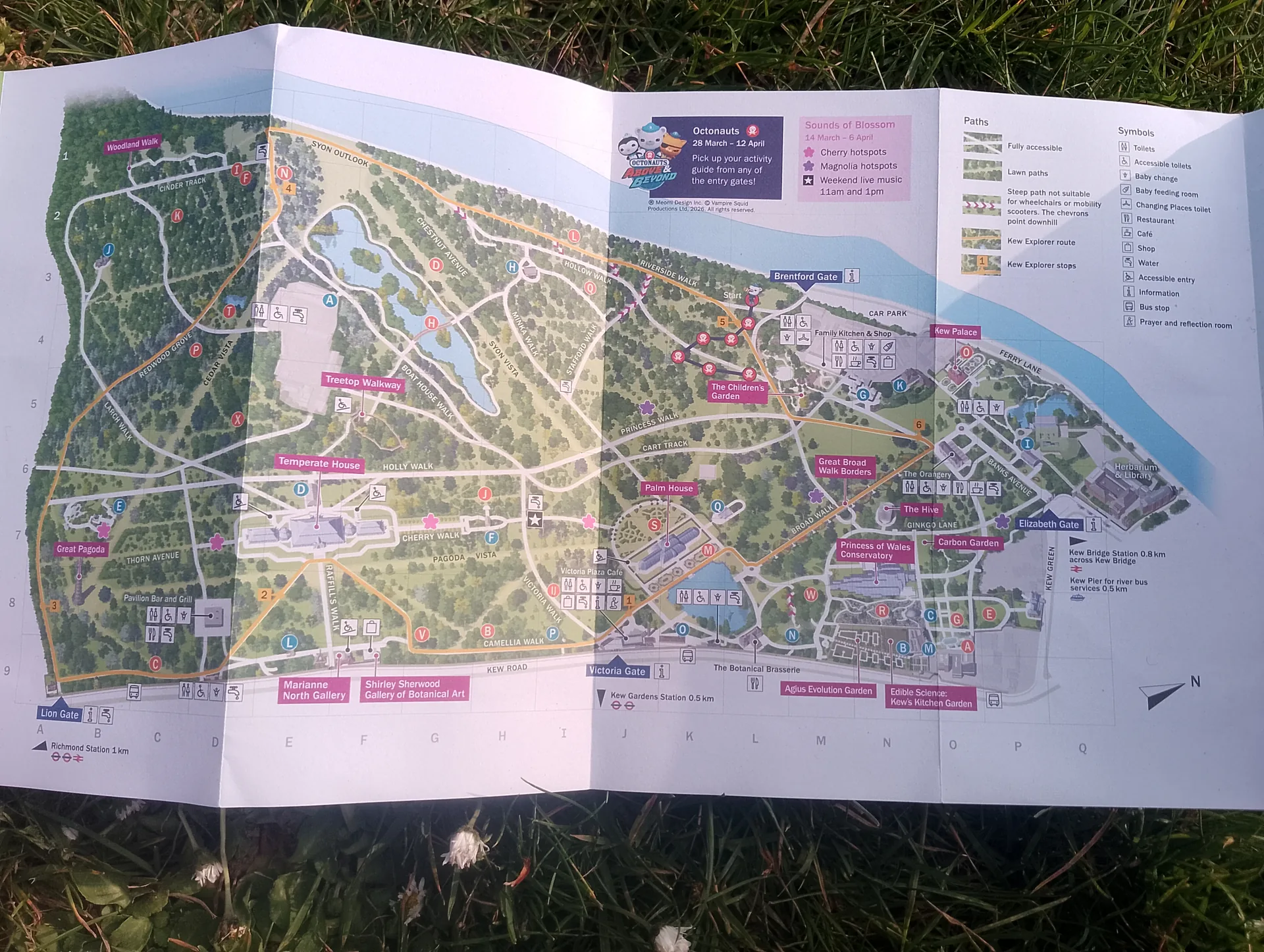
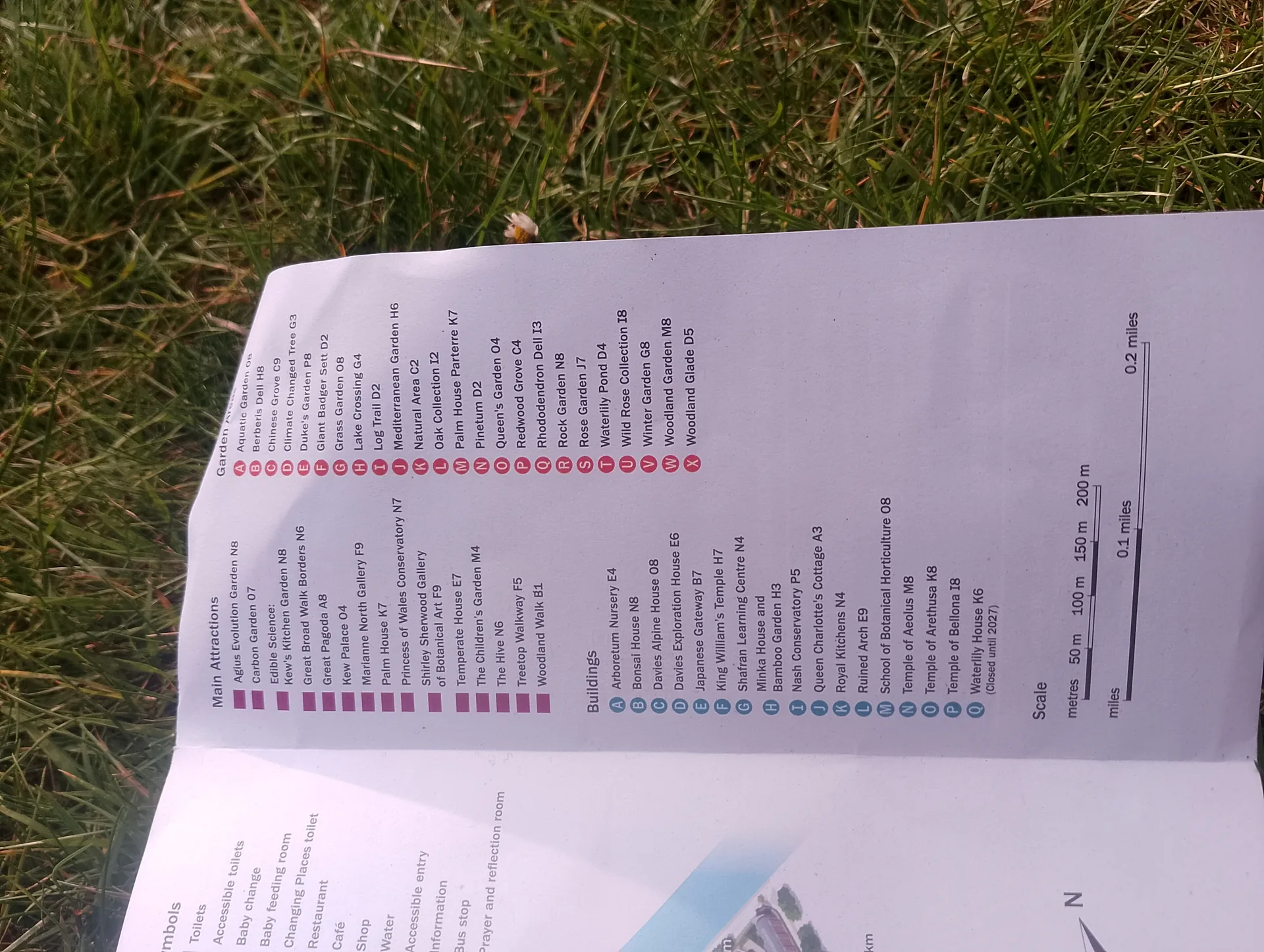
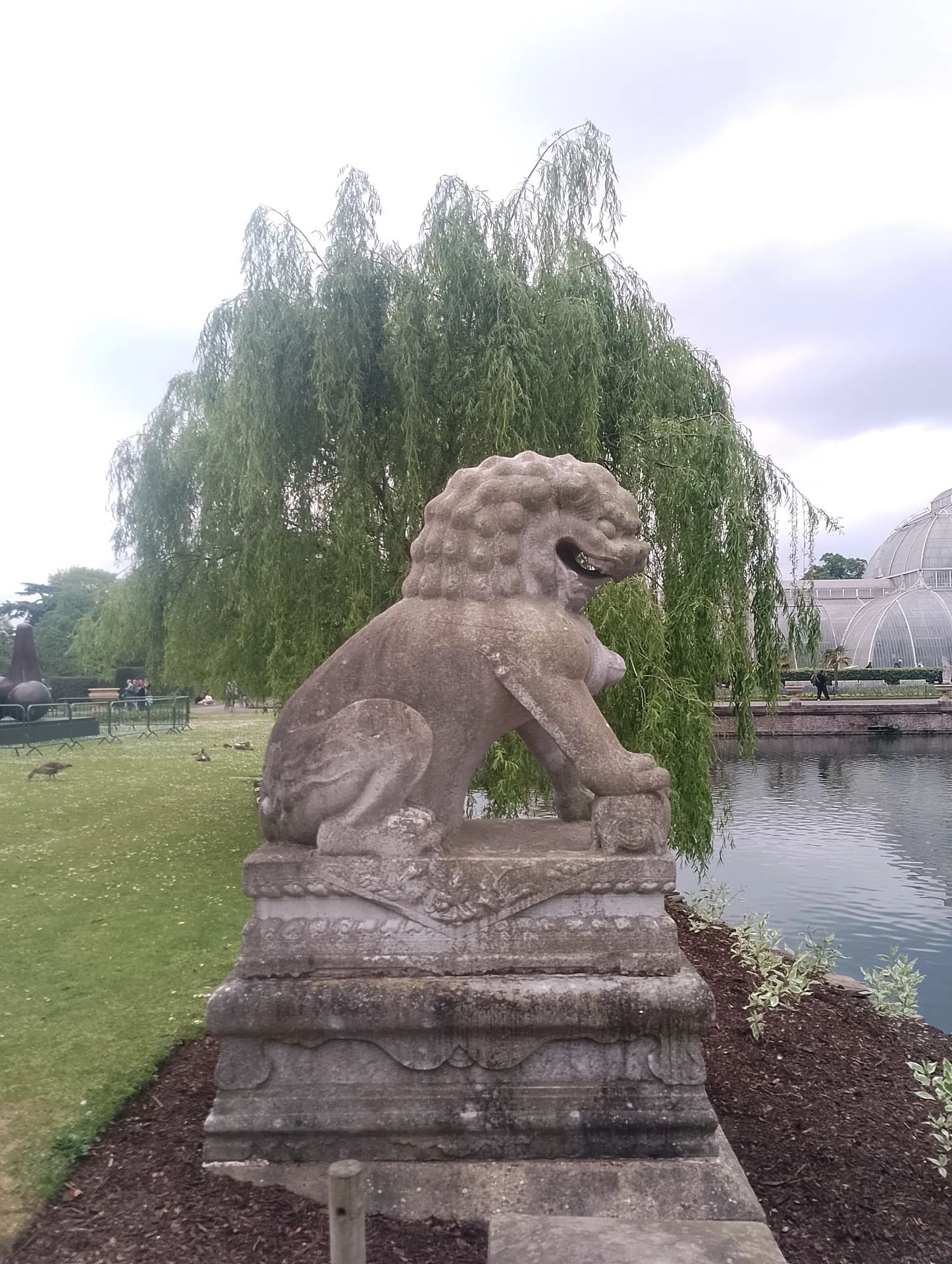
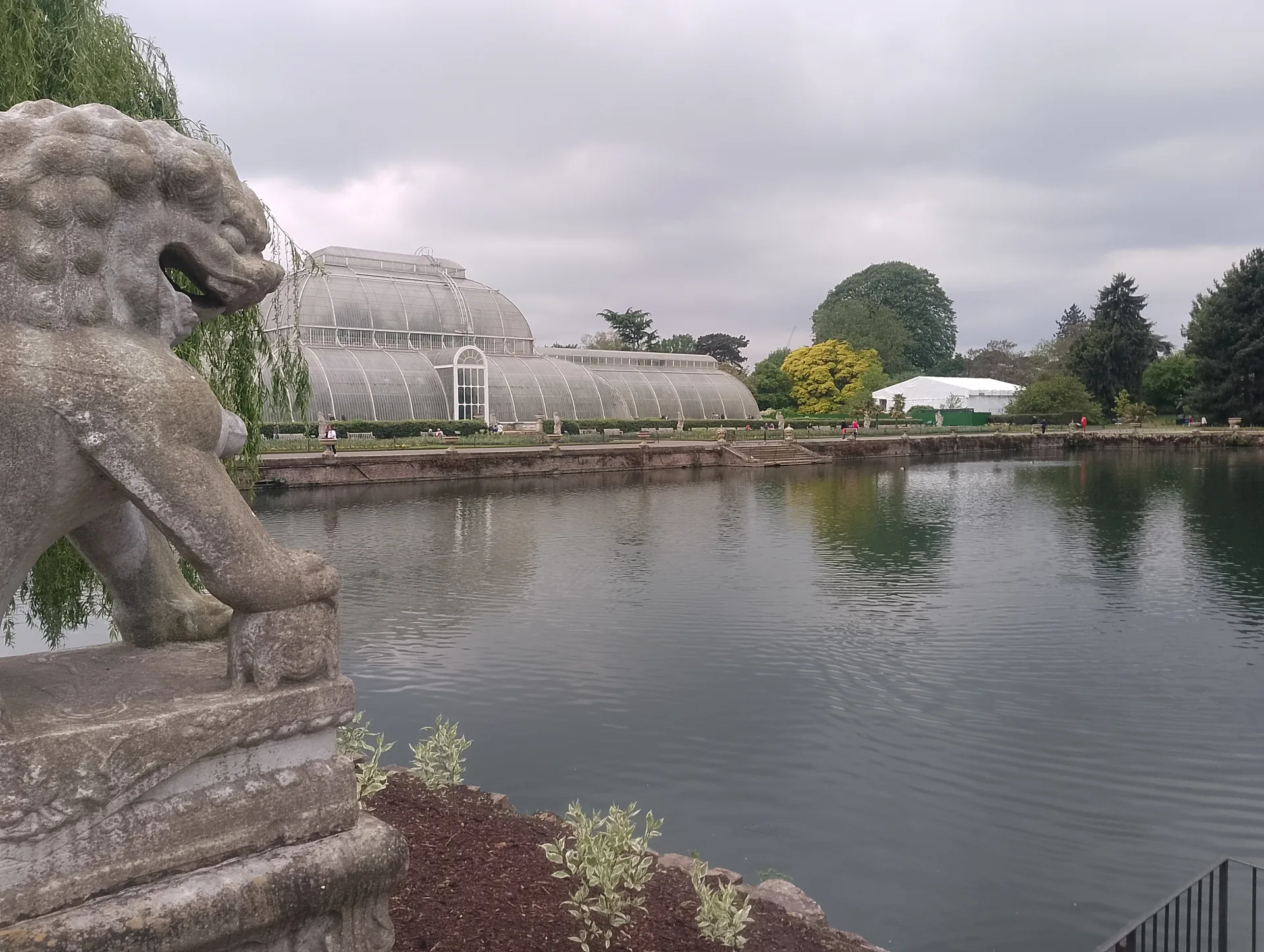
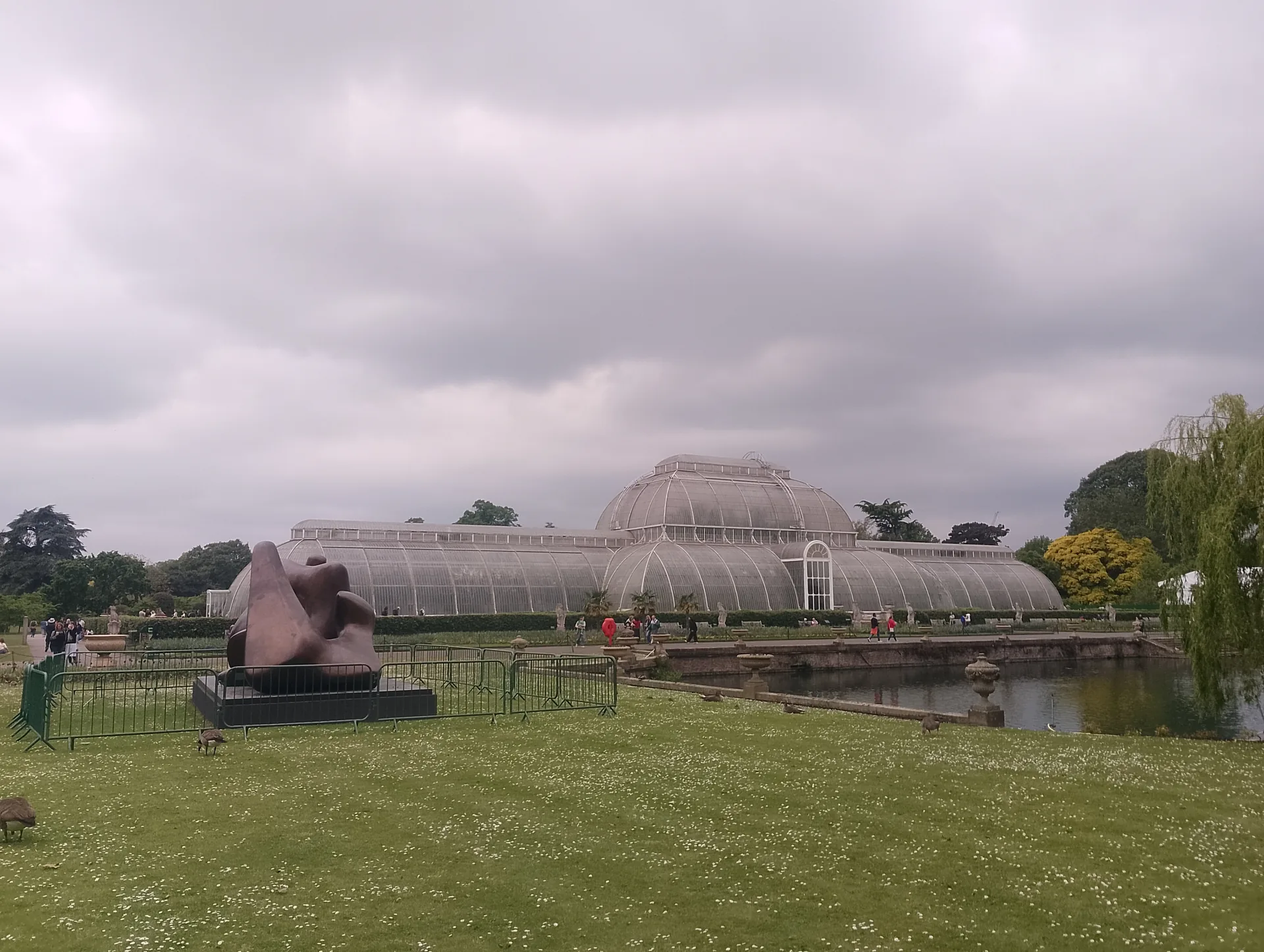
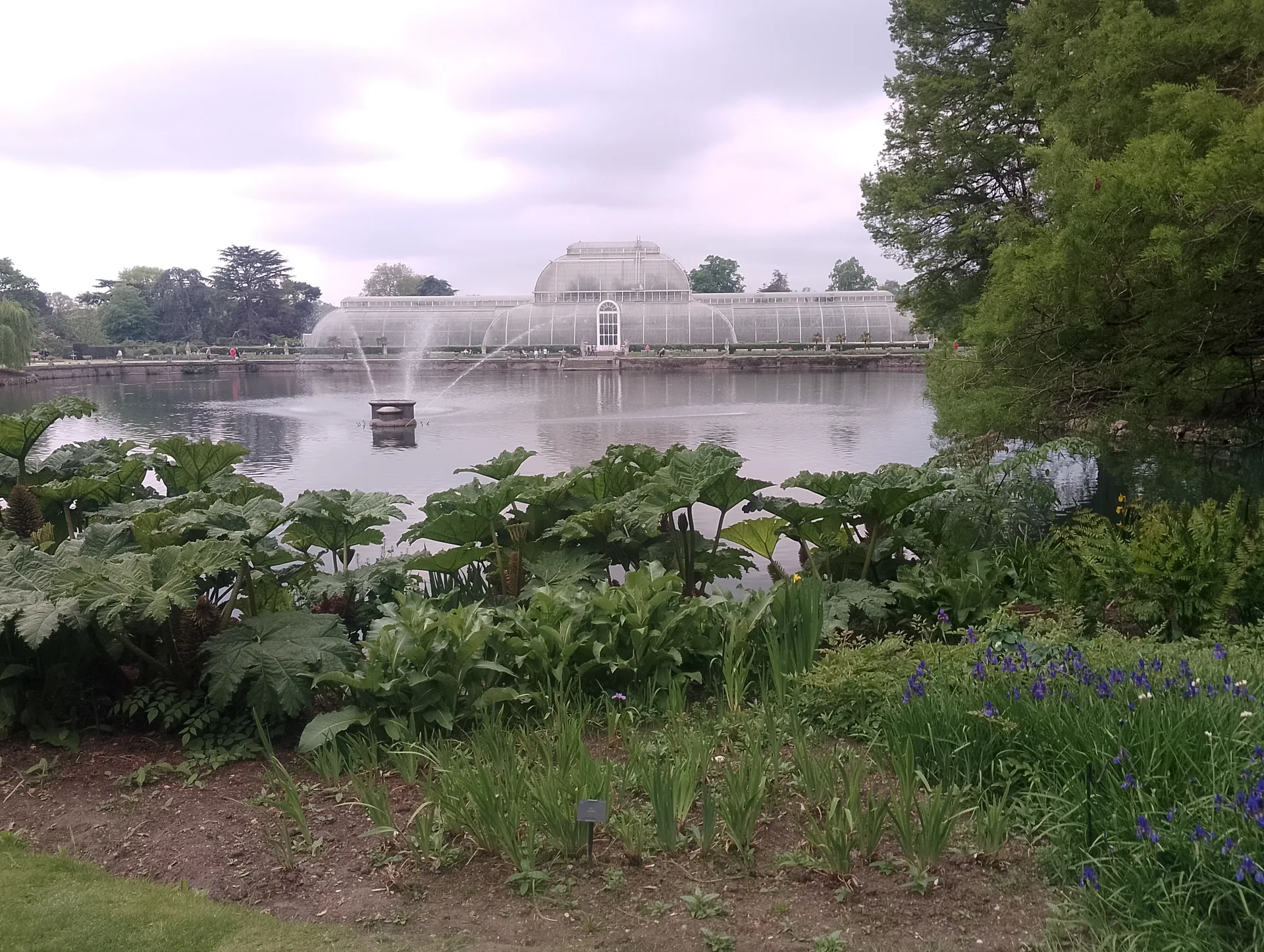
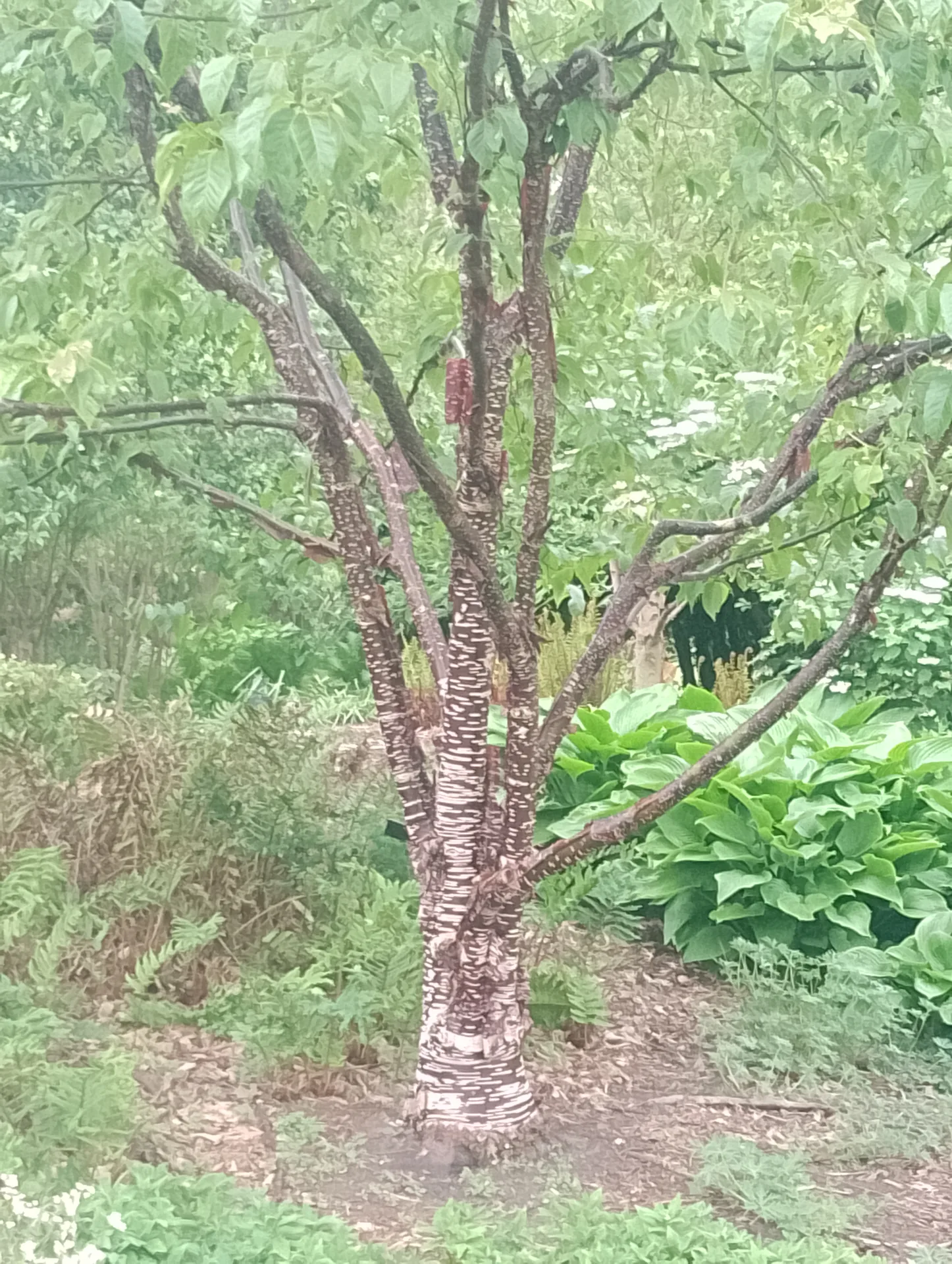
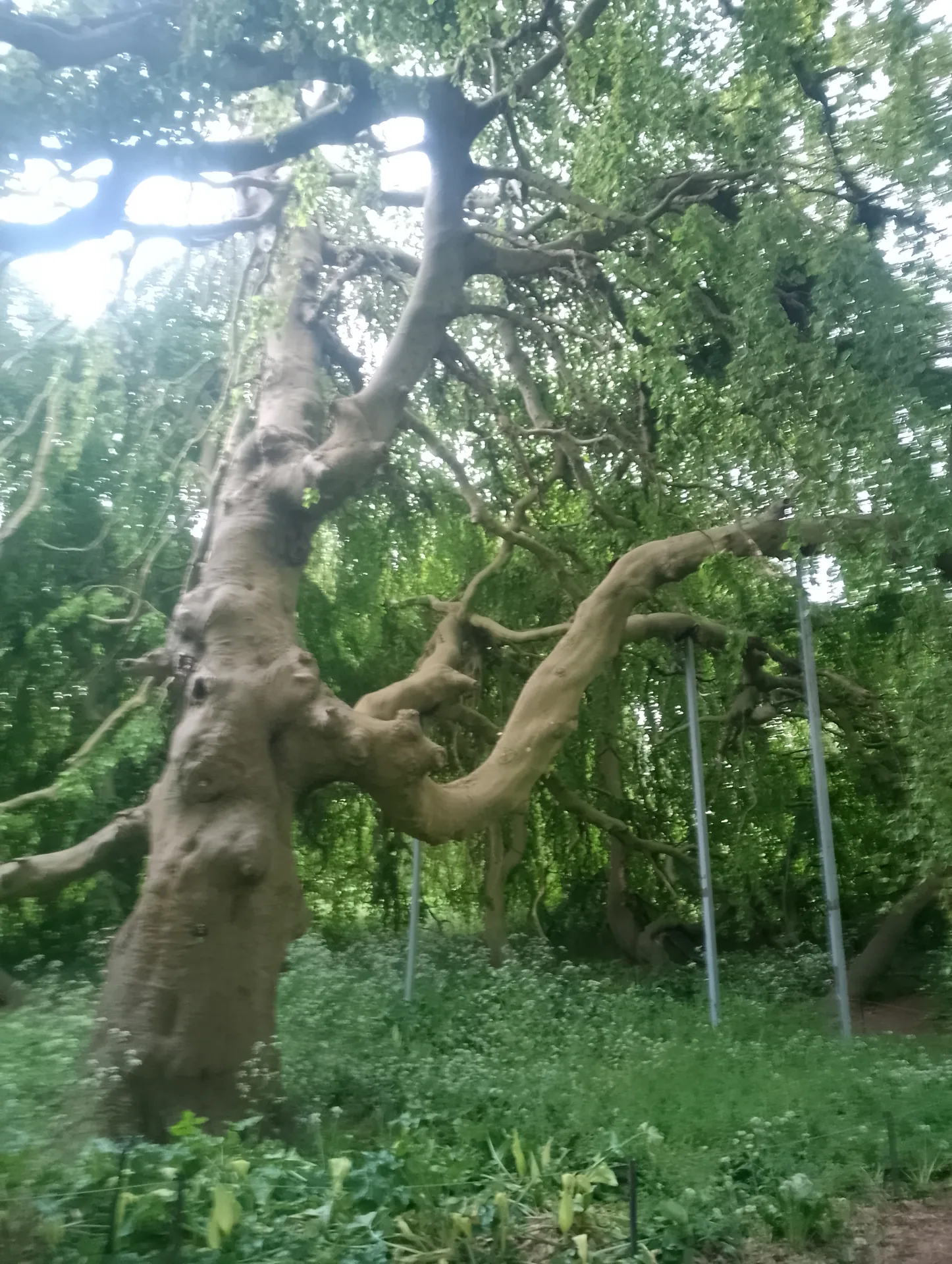
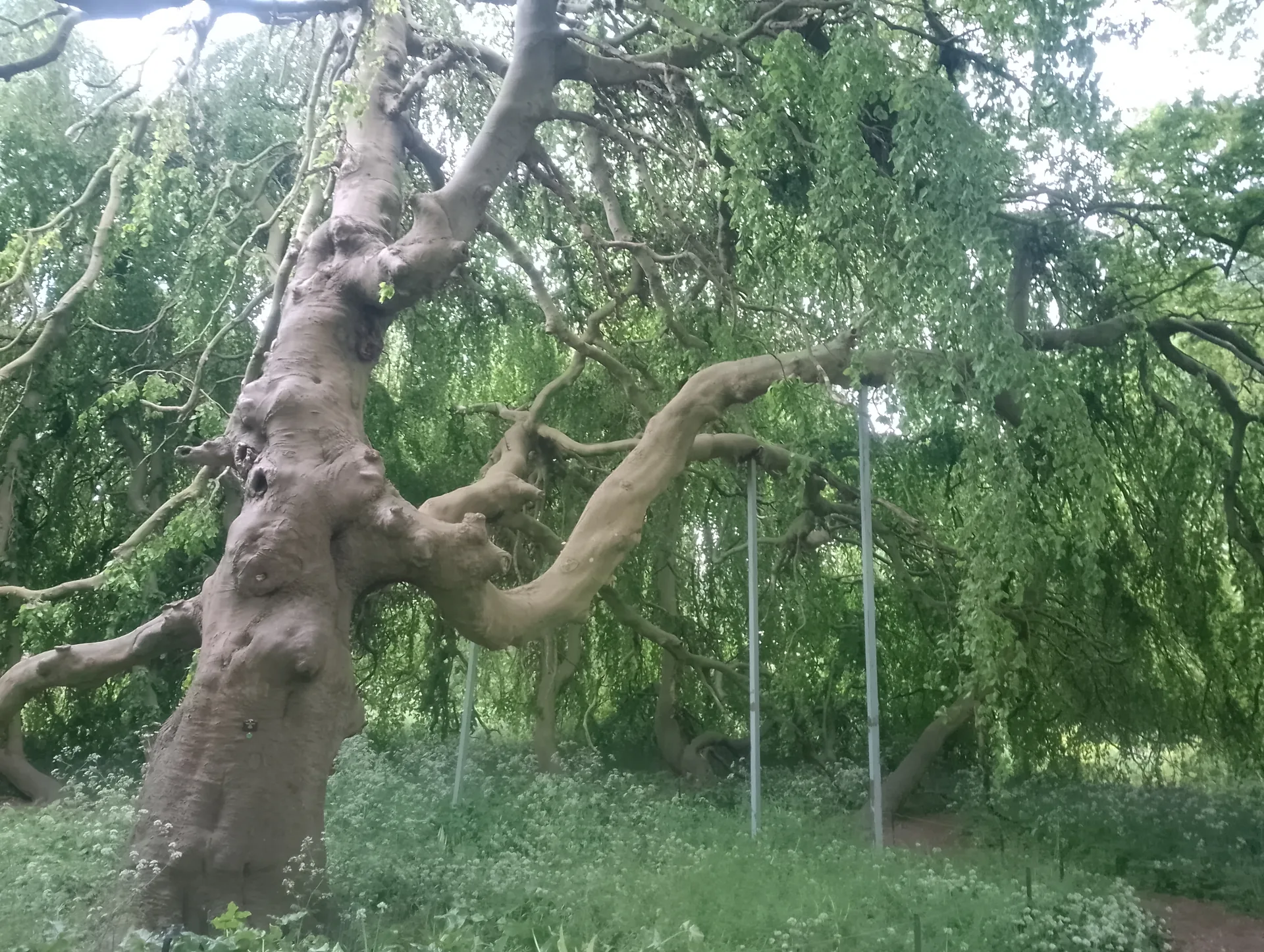
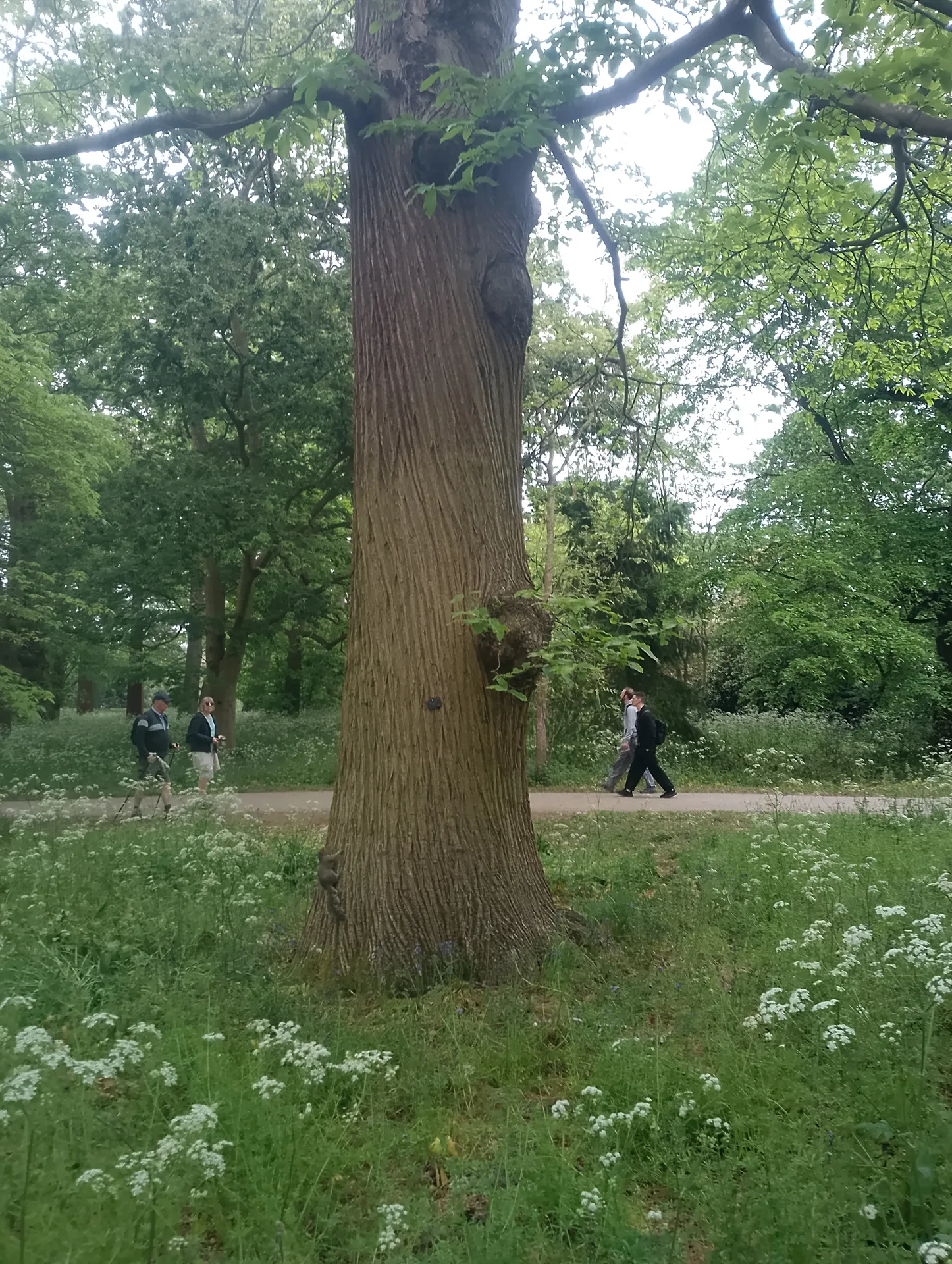
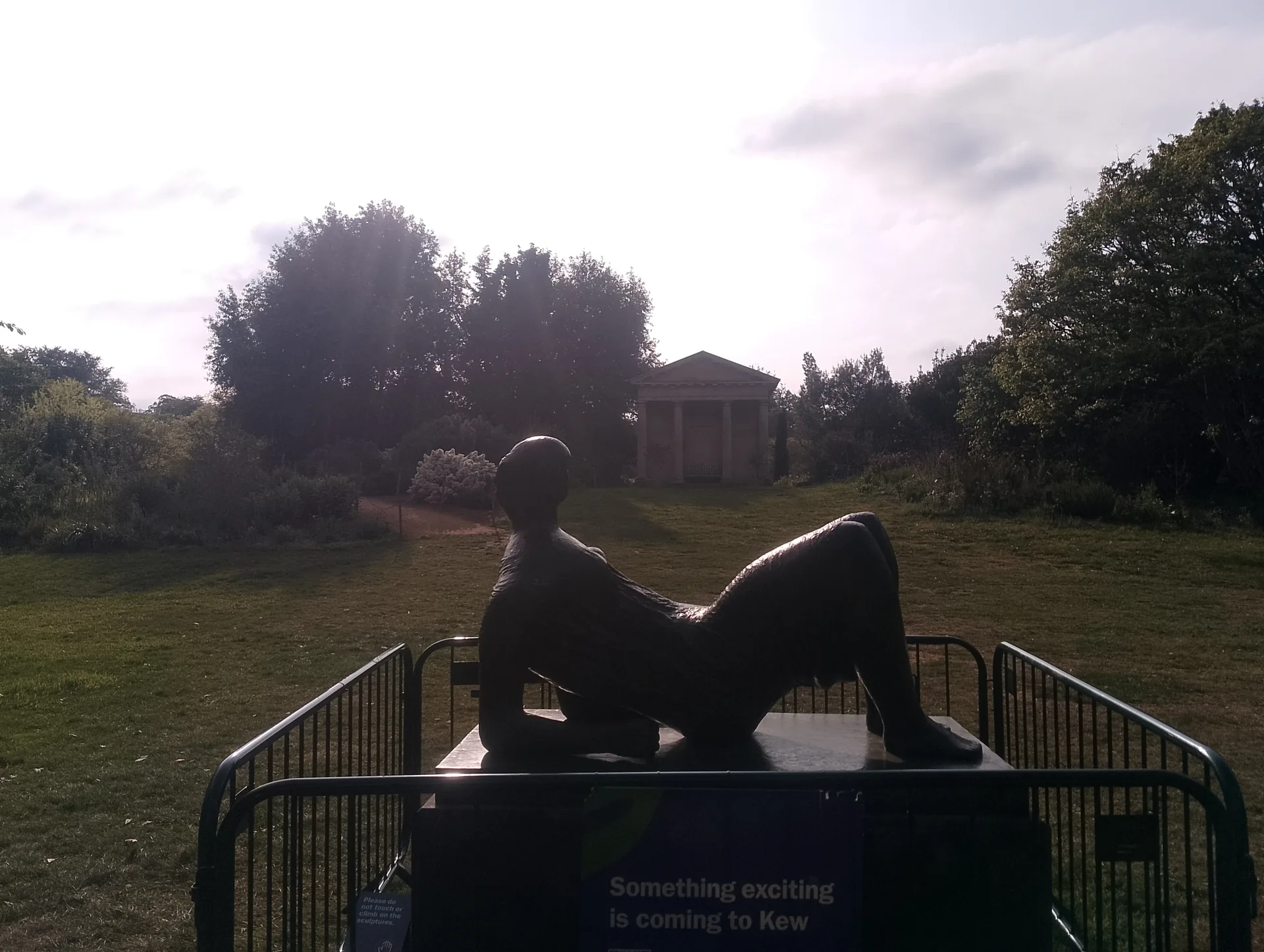
Looking out over the Great Pond, there are two large stone dogs imported from China as a gift from some wealthy donor. Darren and Maretta joining me, we take a right around the waterway to appreciate some of the trees before ascending an artificial hill to a stone pavilion that had apparently replaced a wooden one at some point in time.
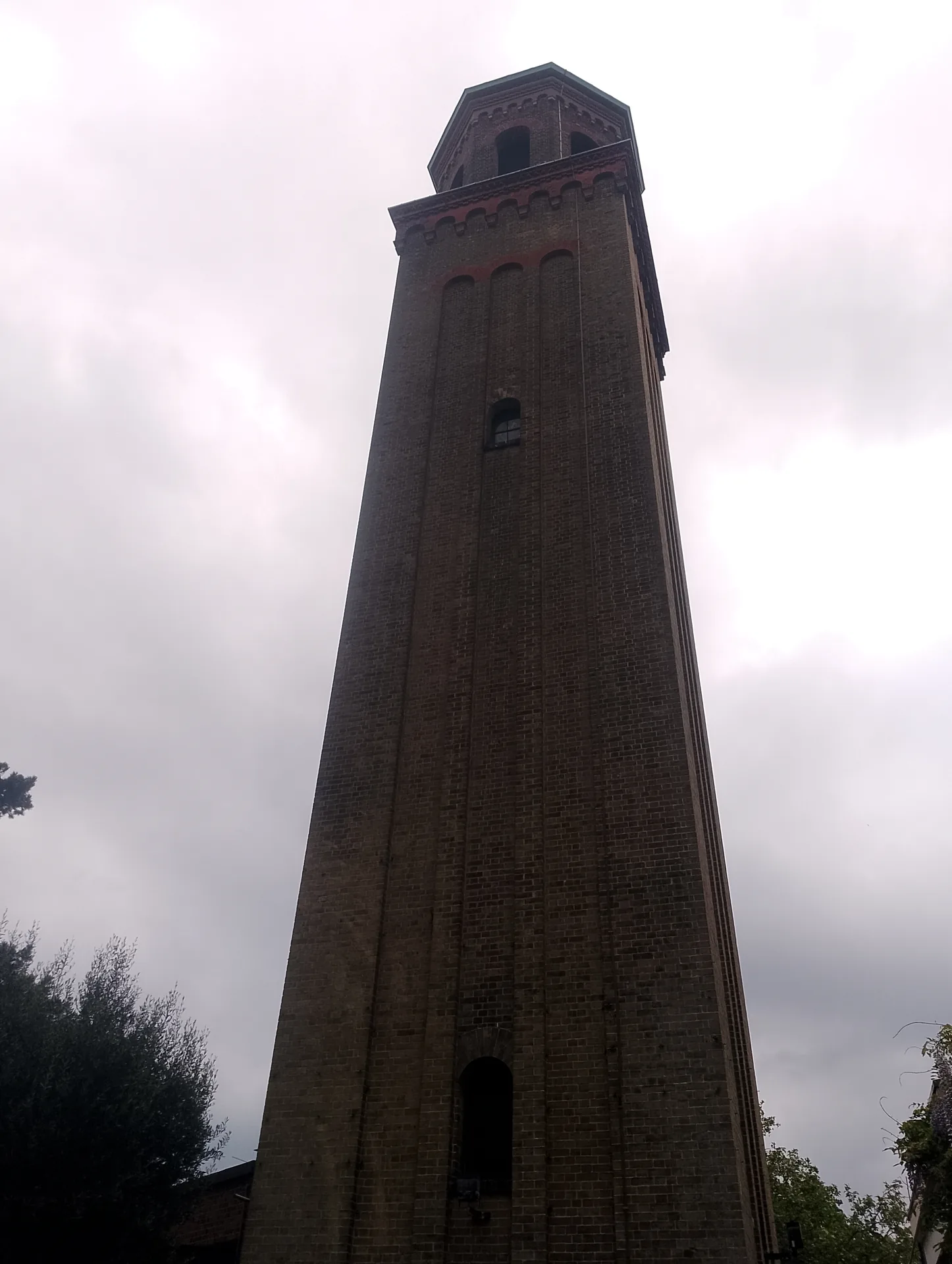
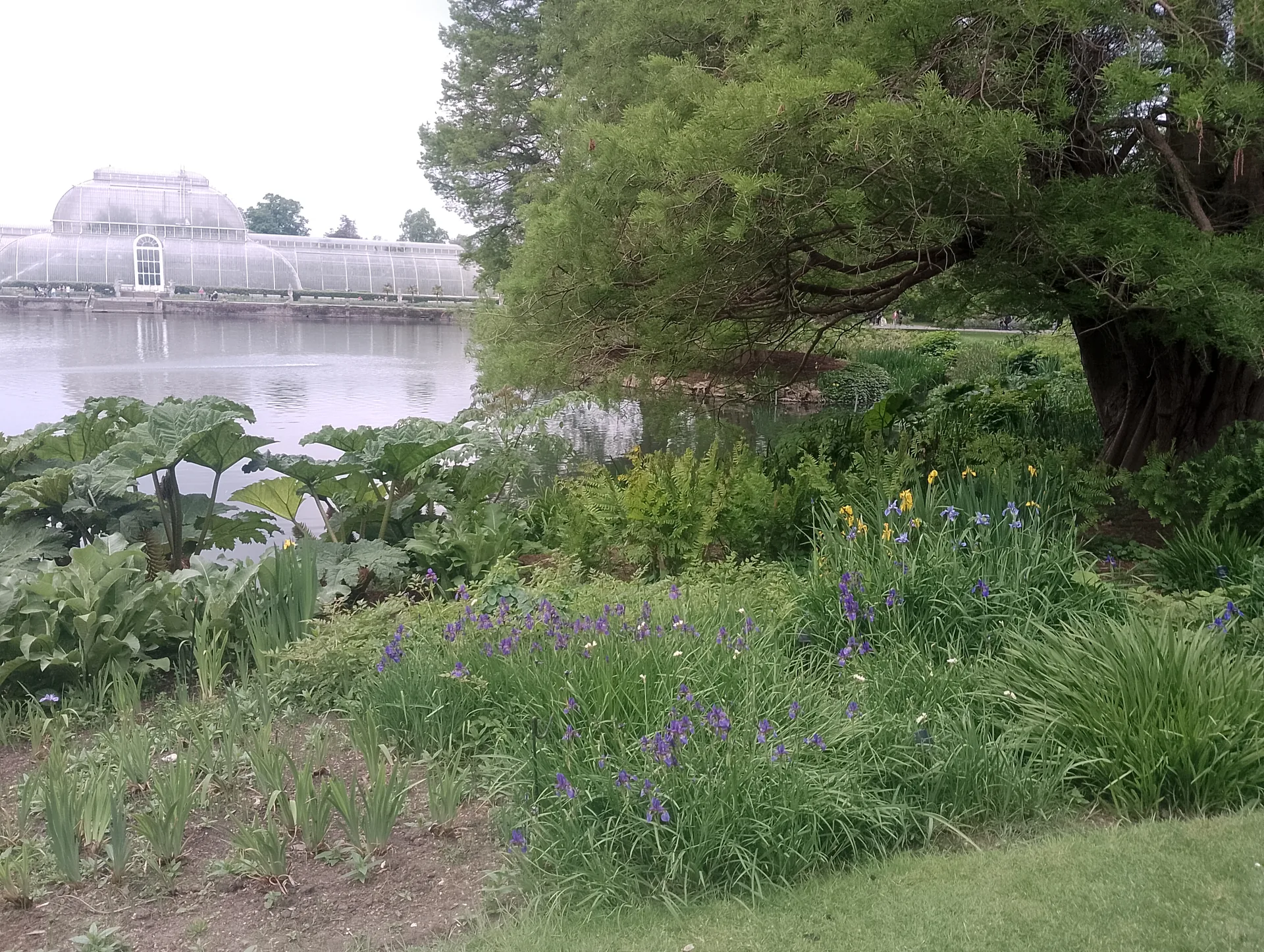
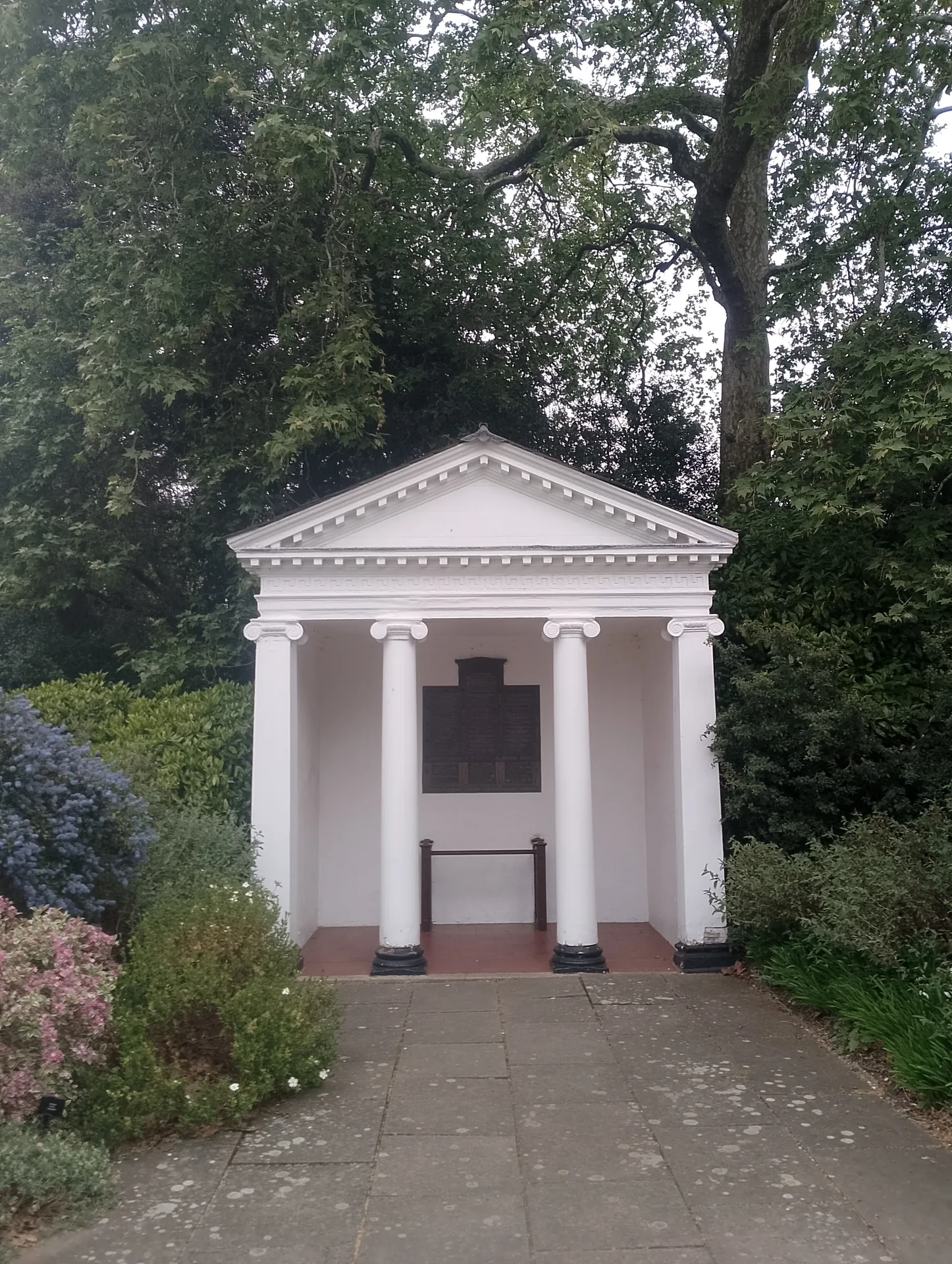
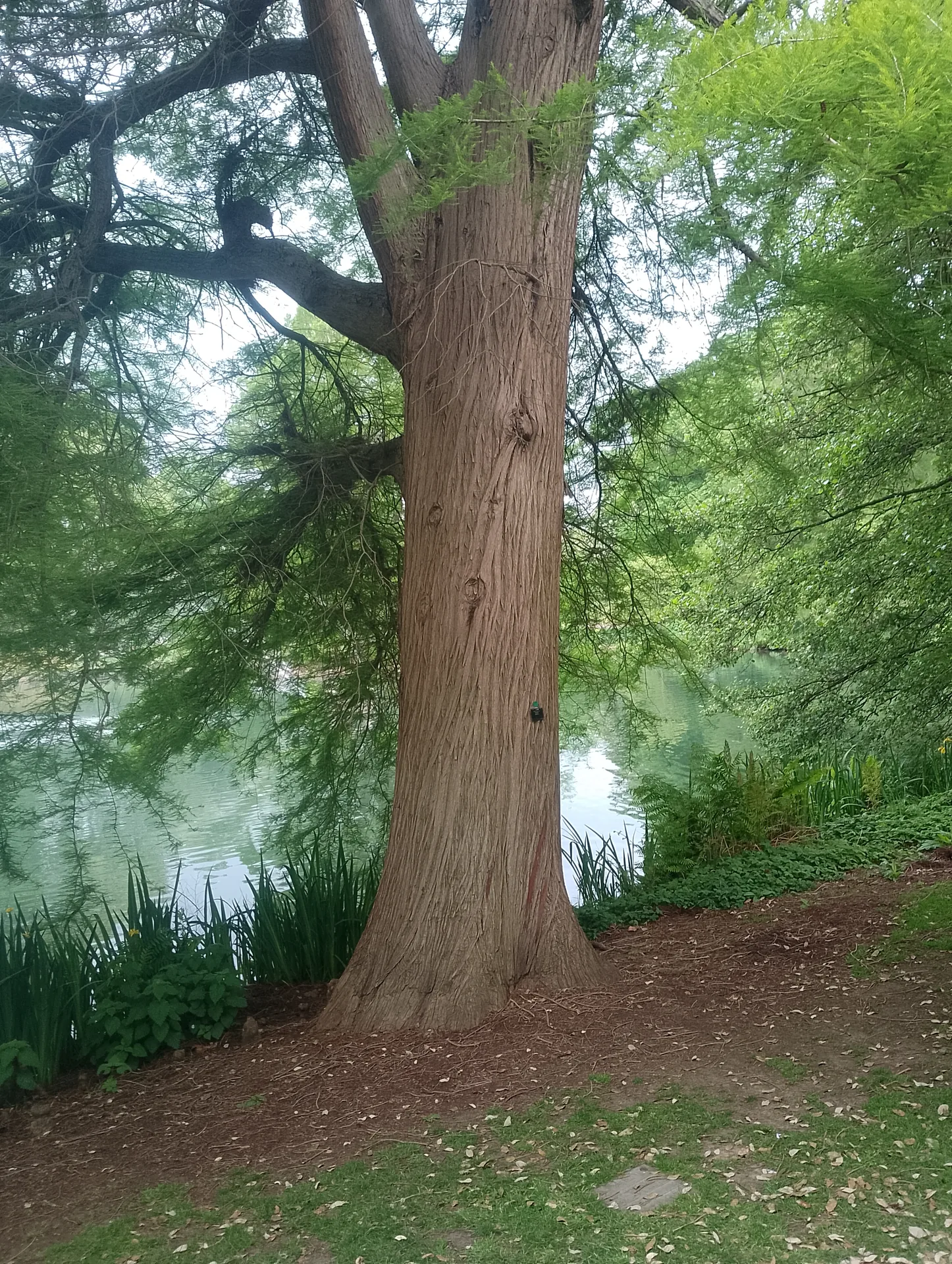
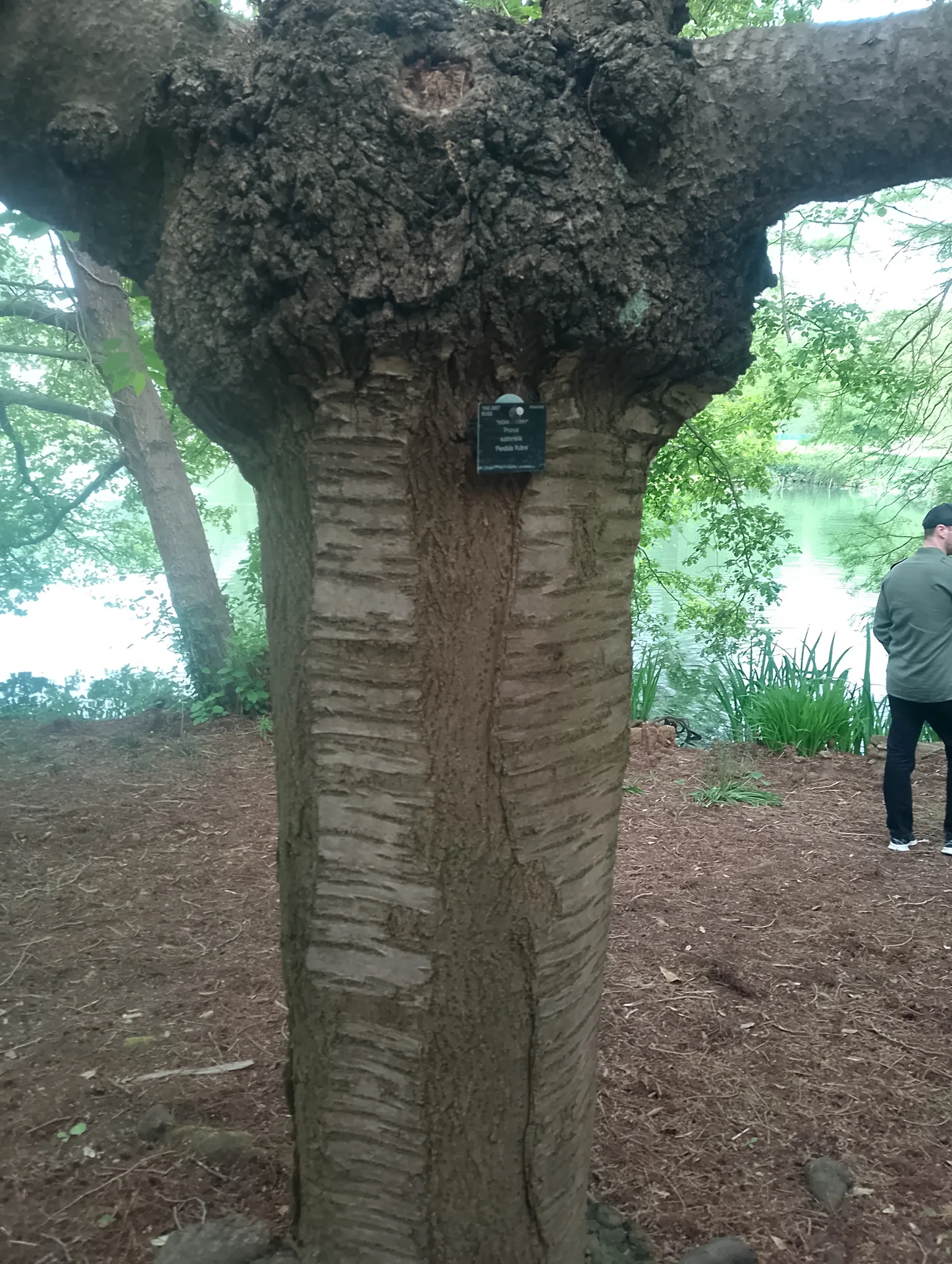
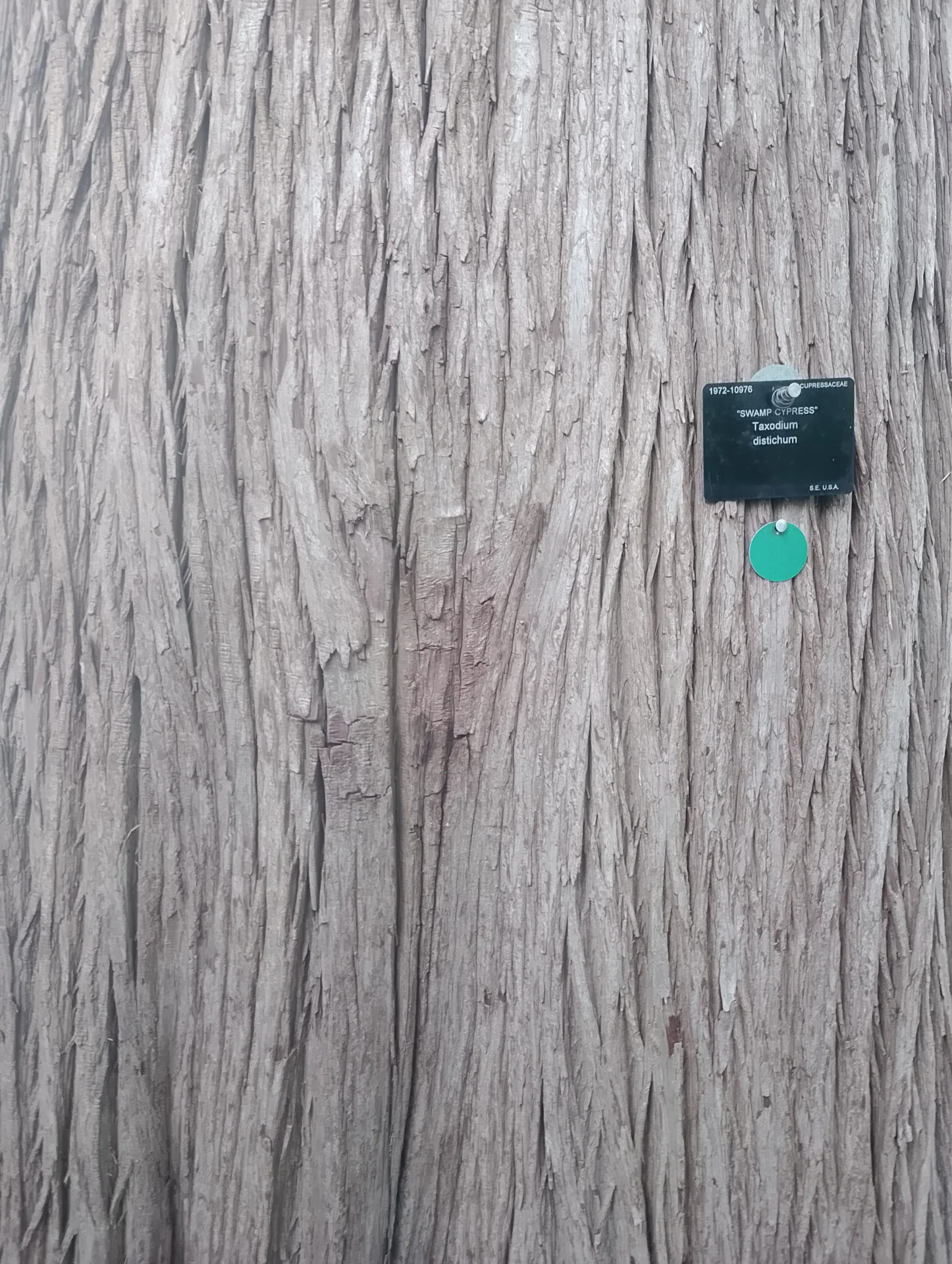
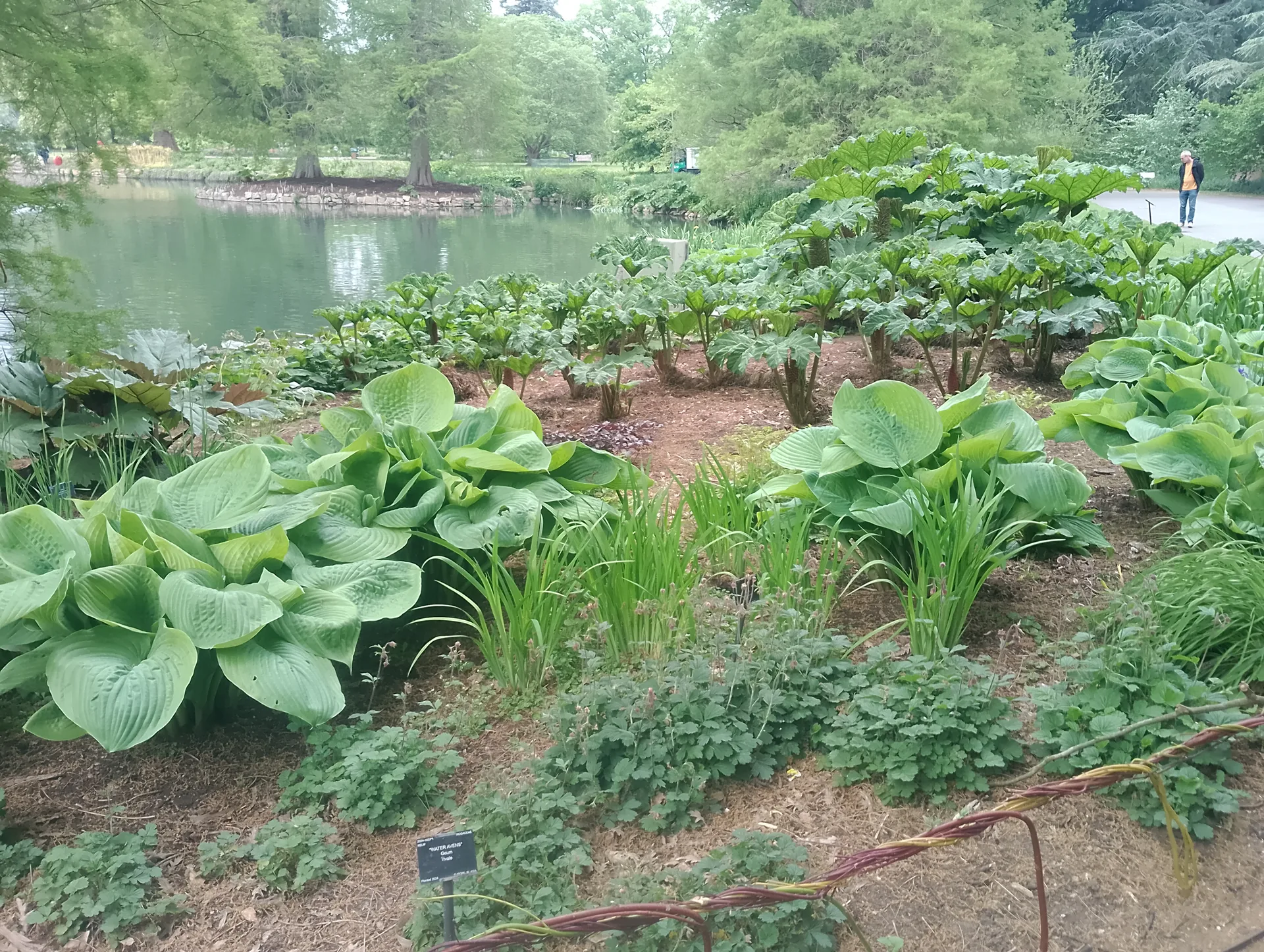
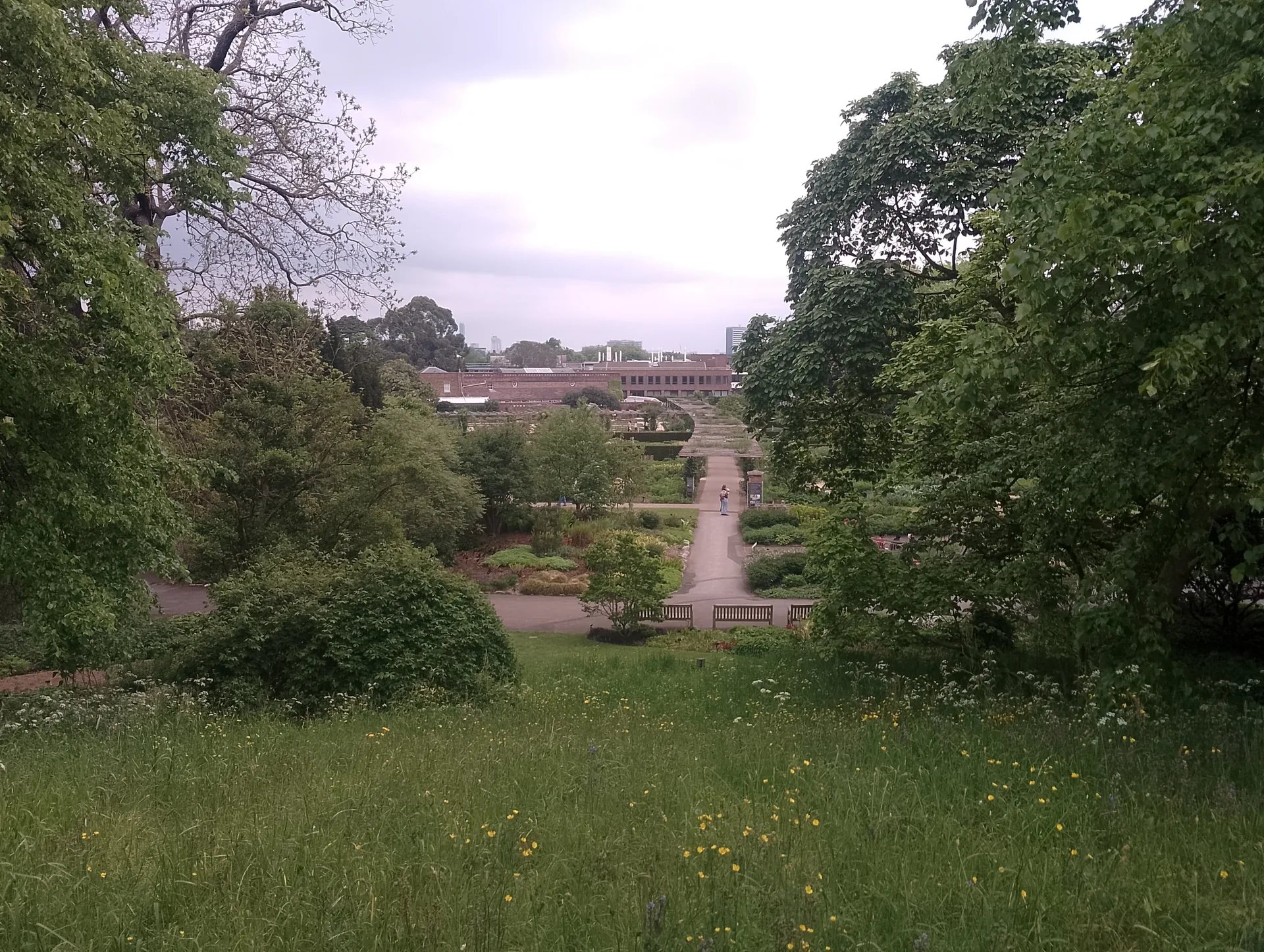
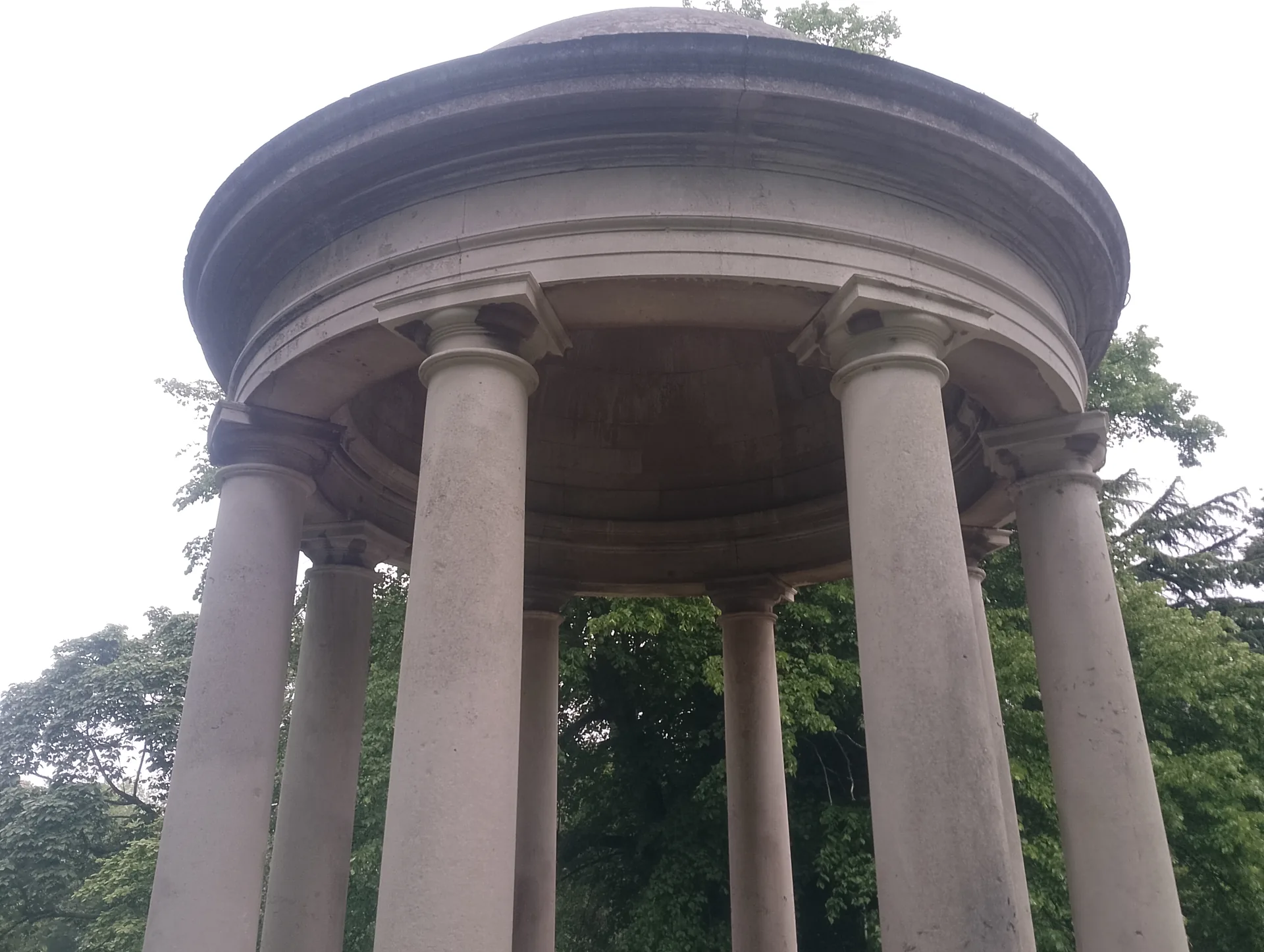
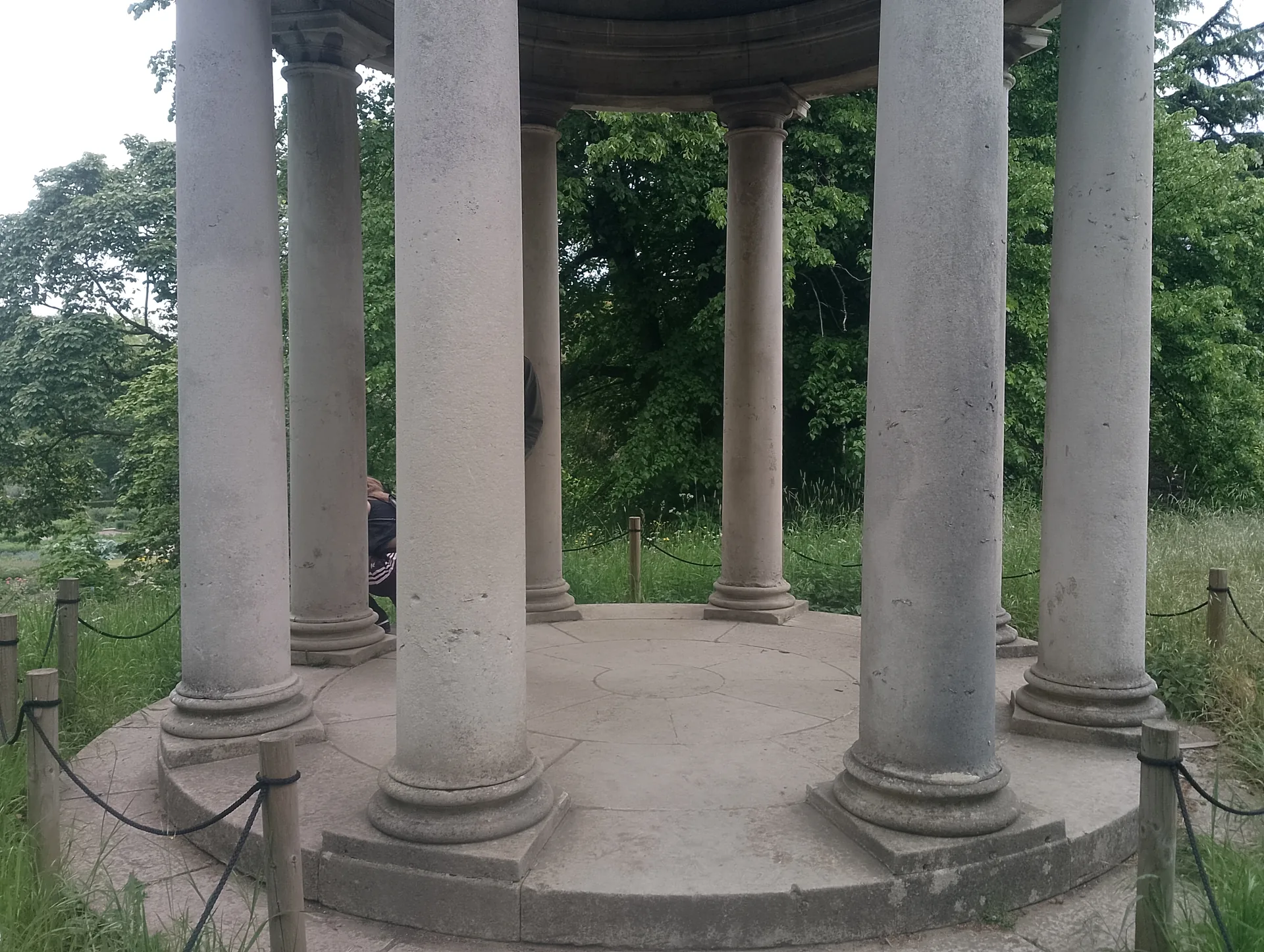
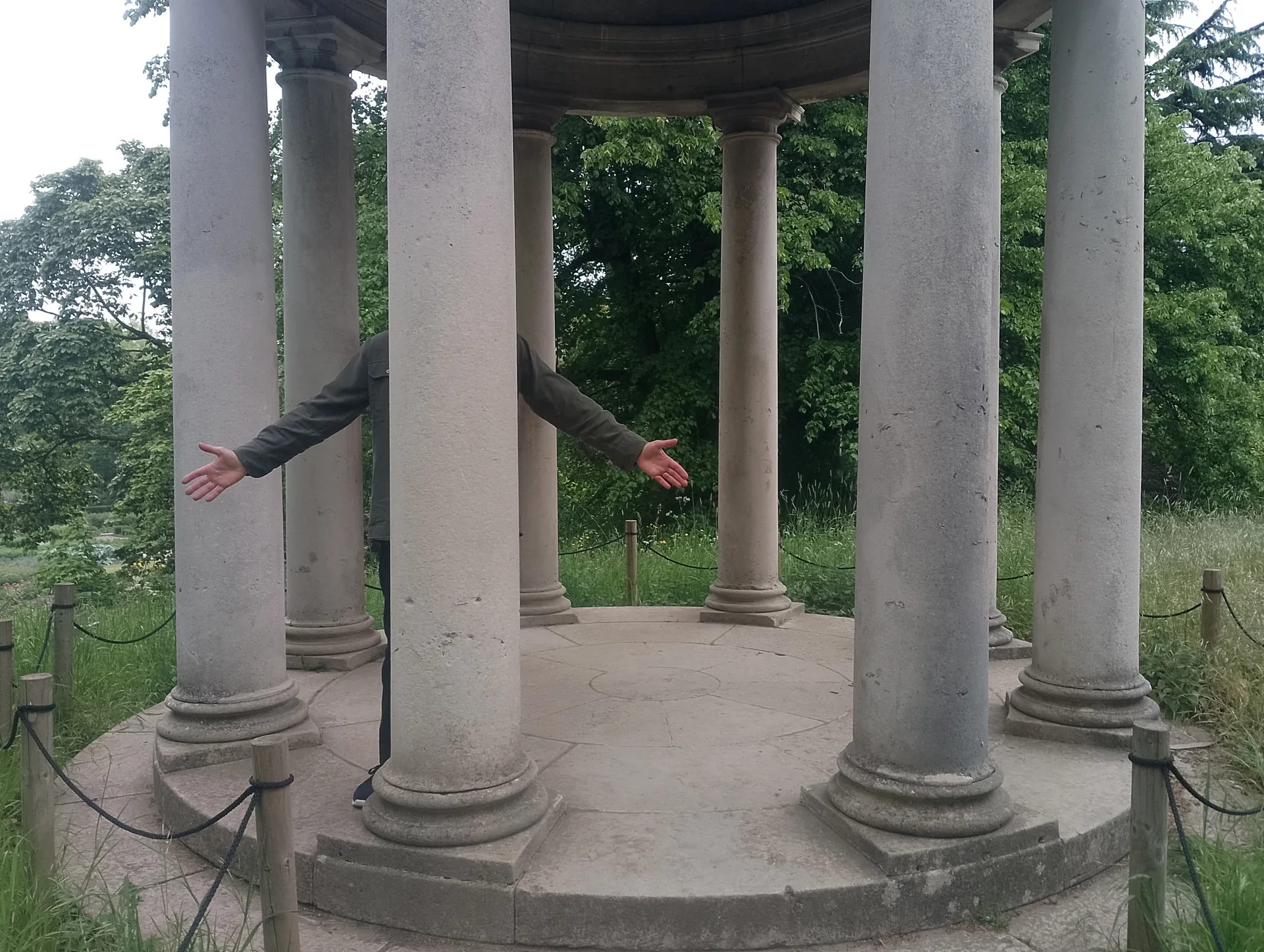
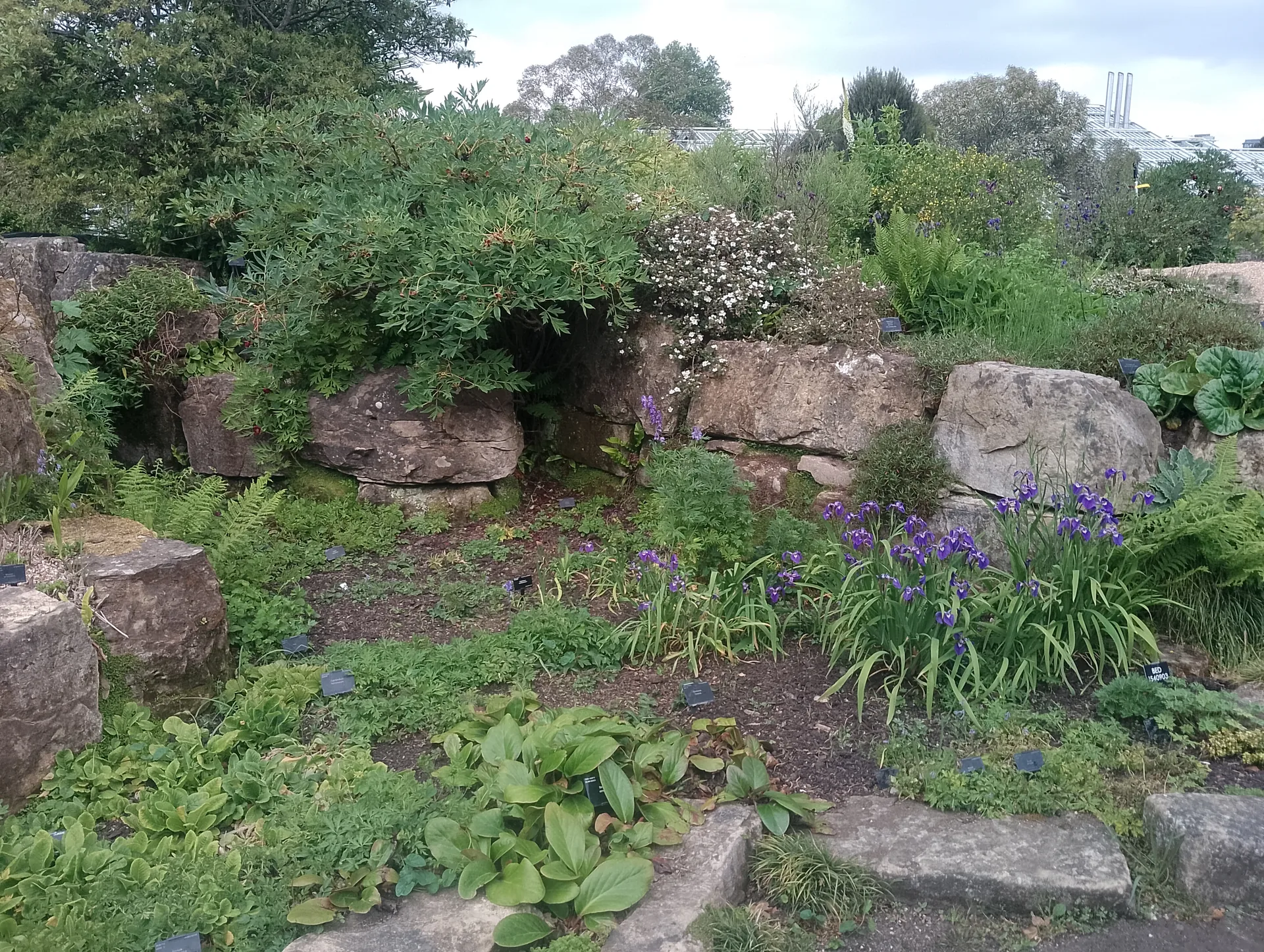
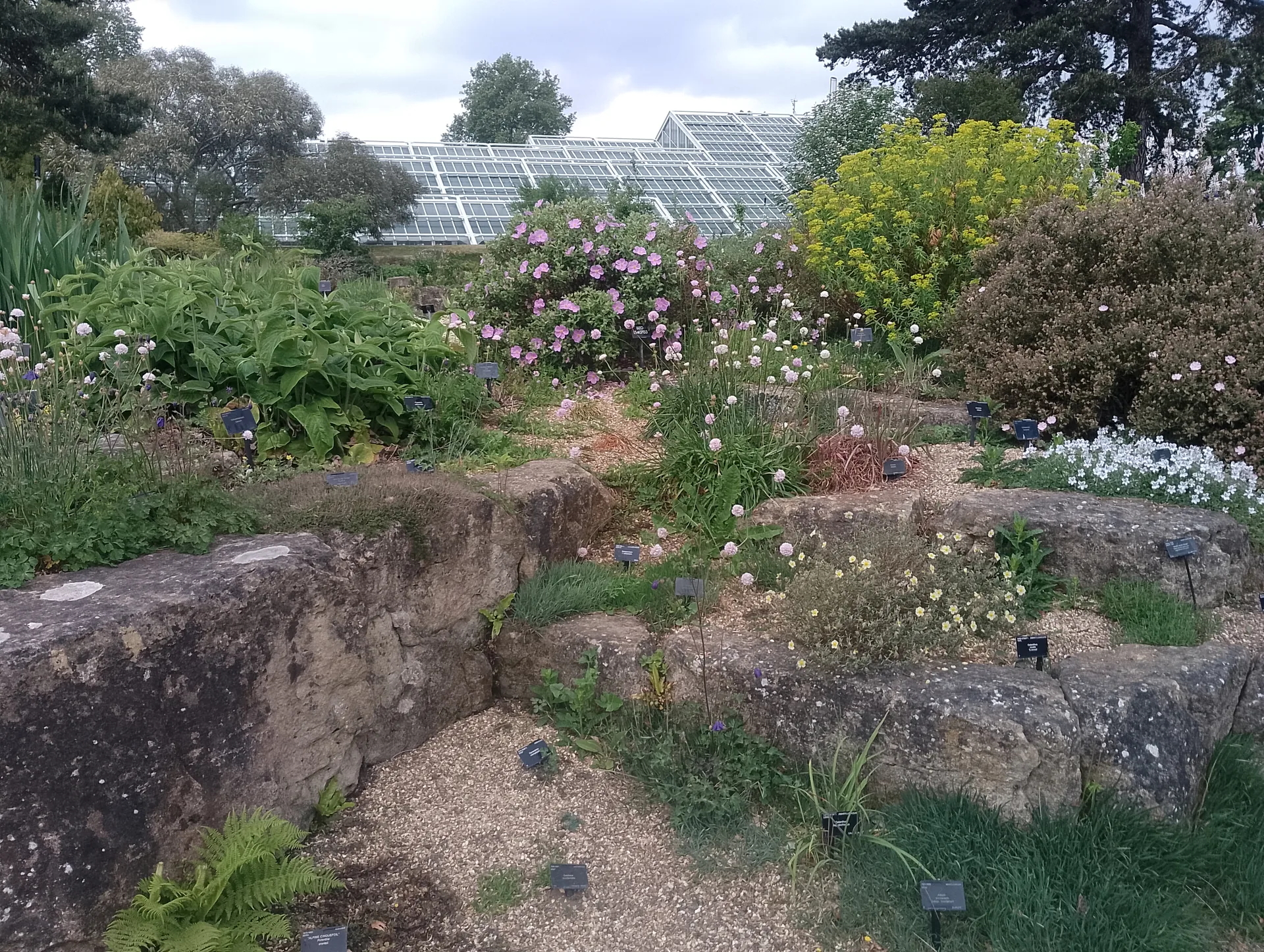
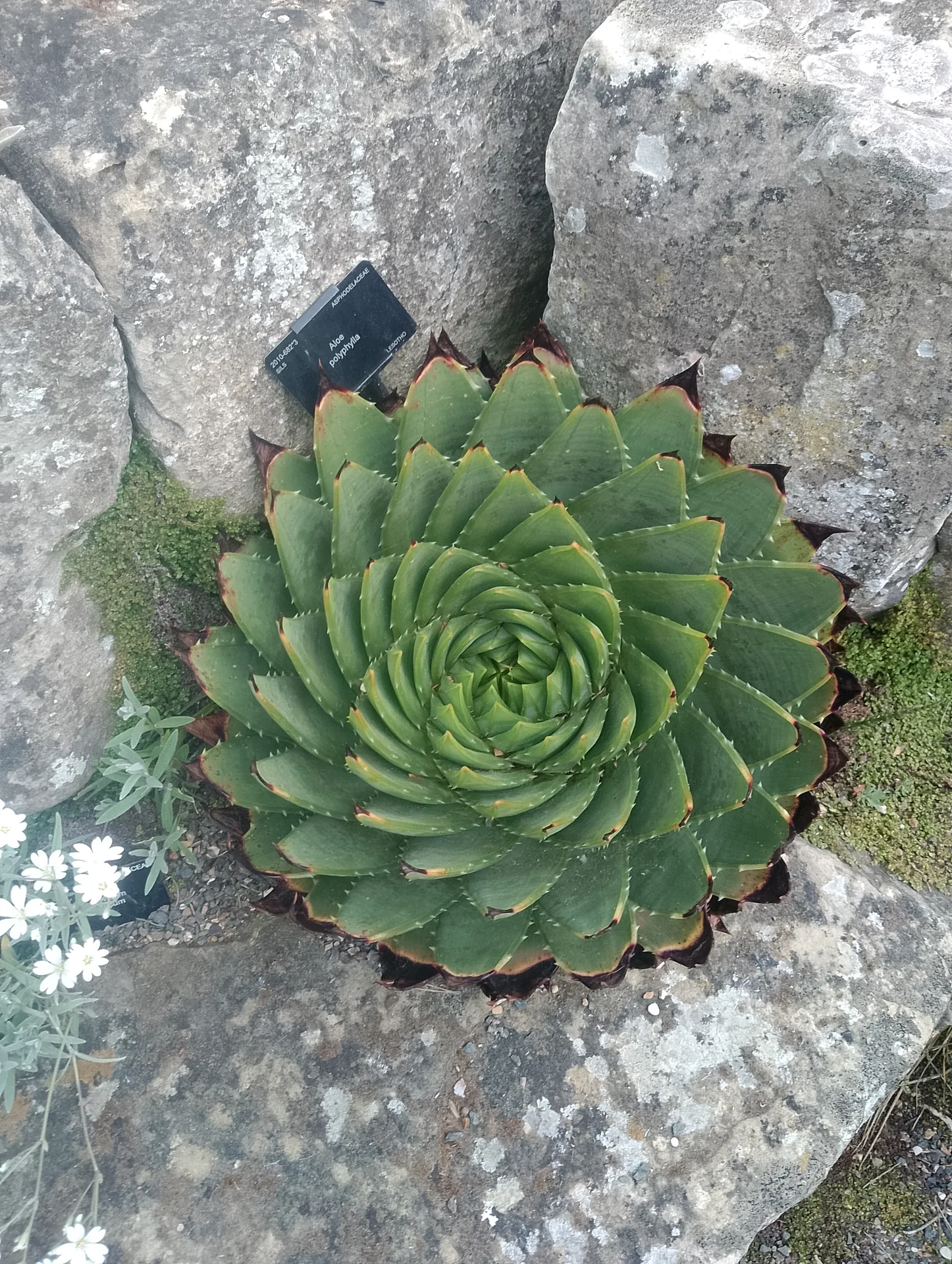
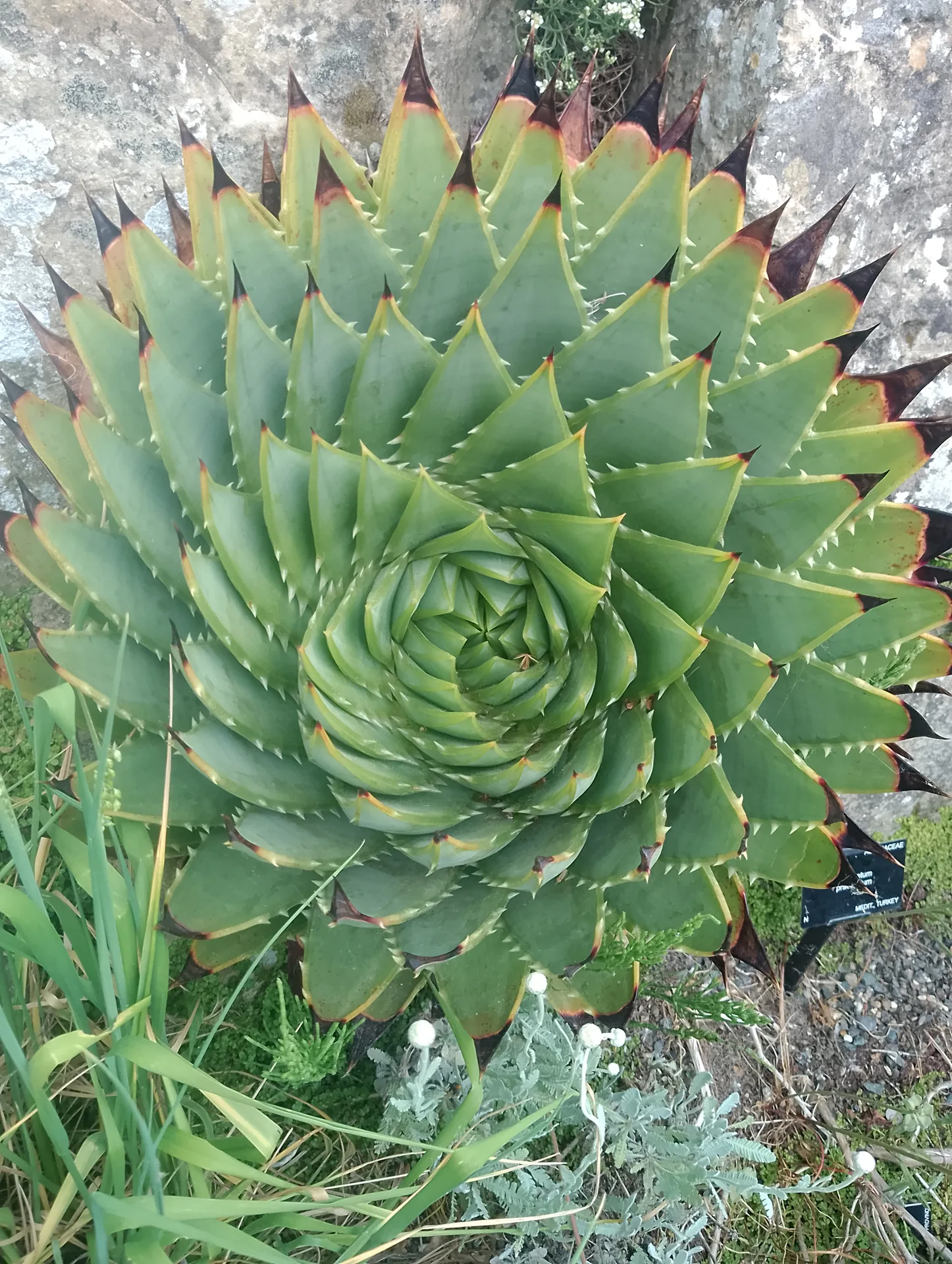
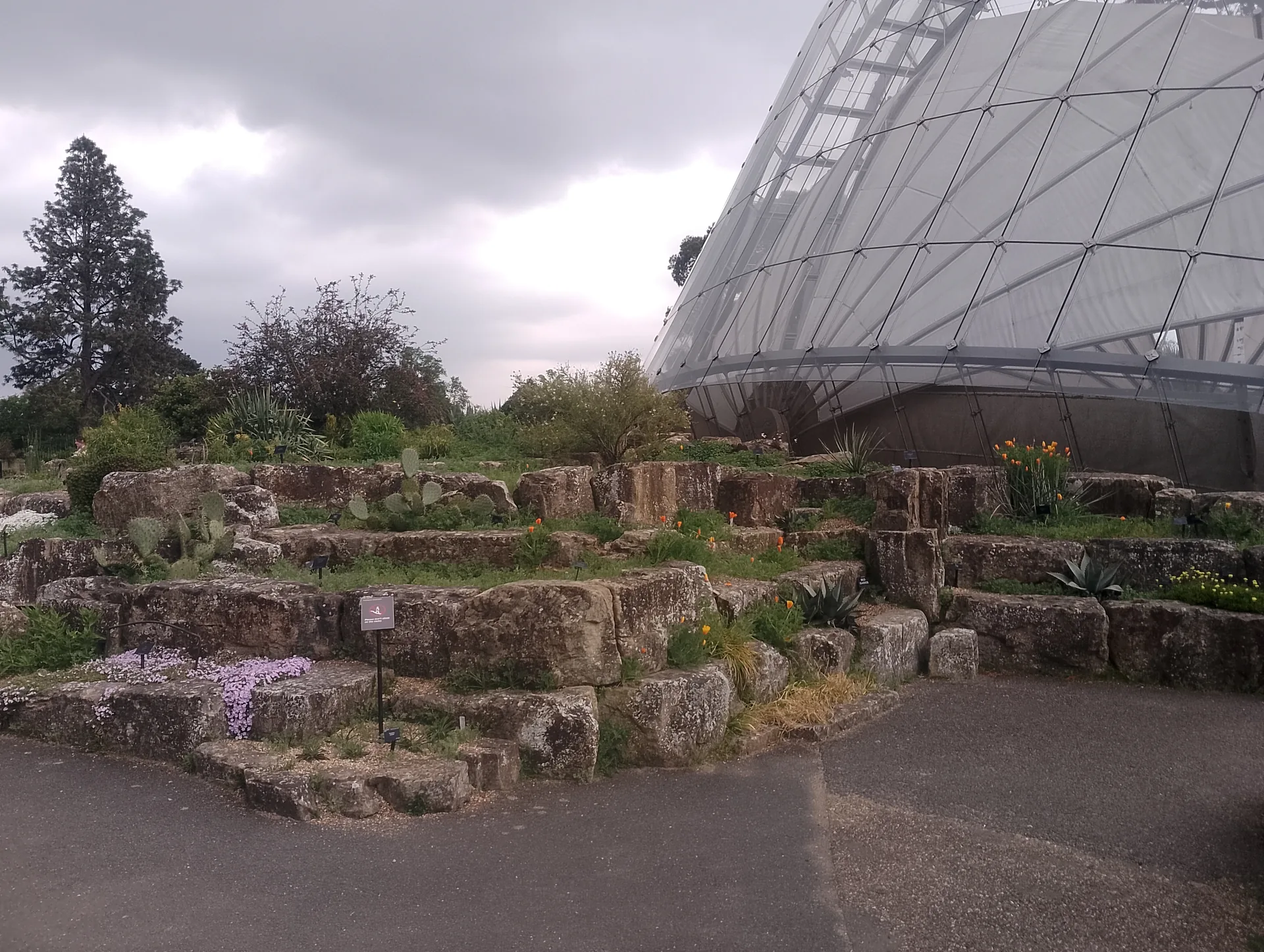
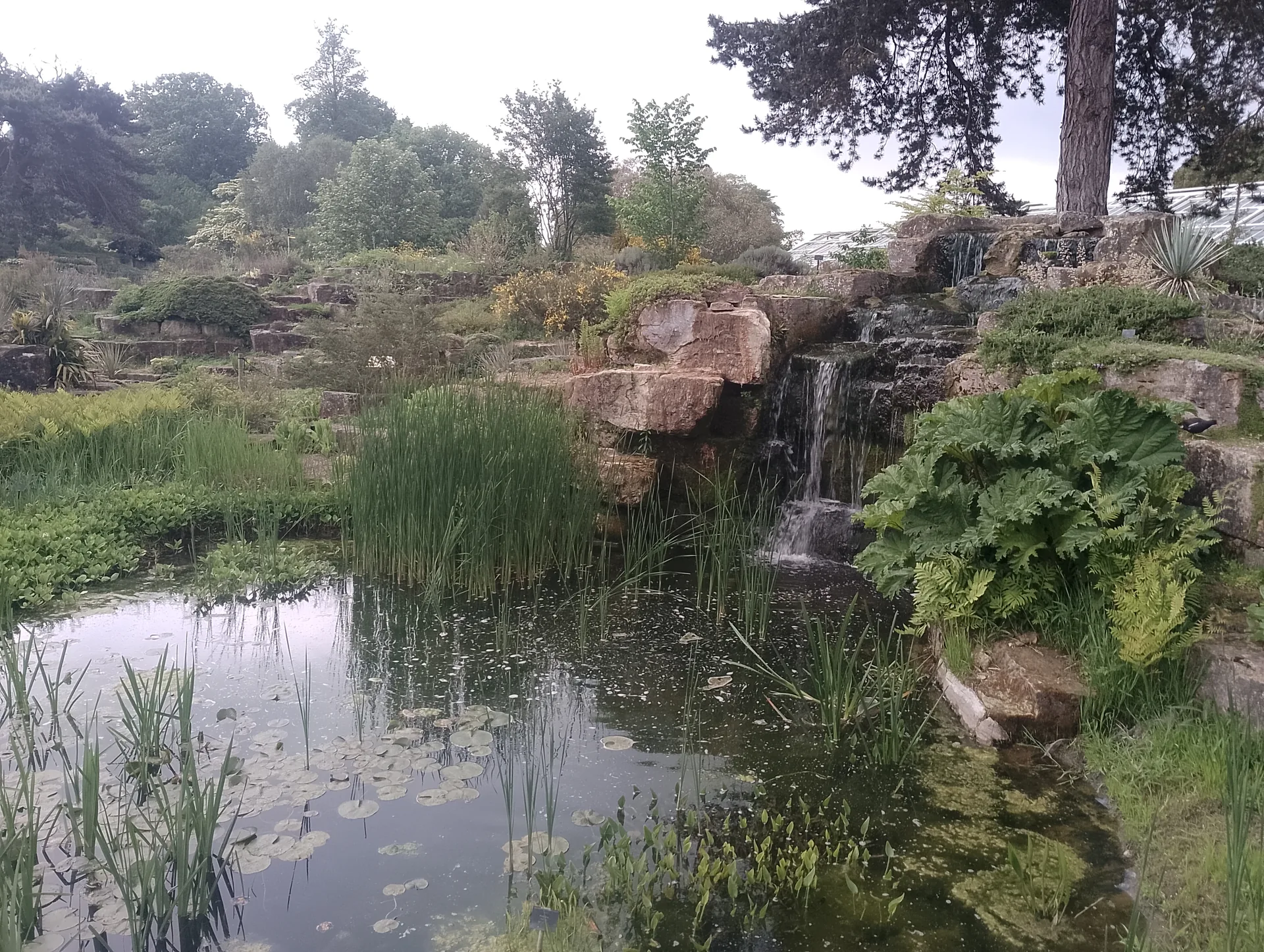
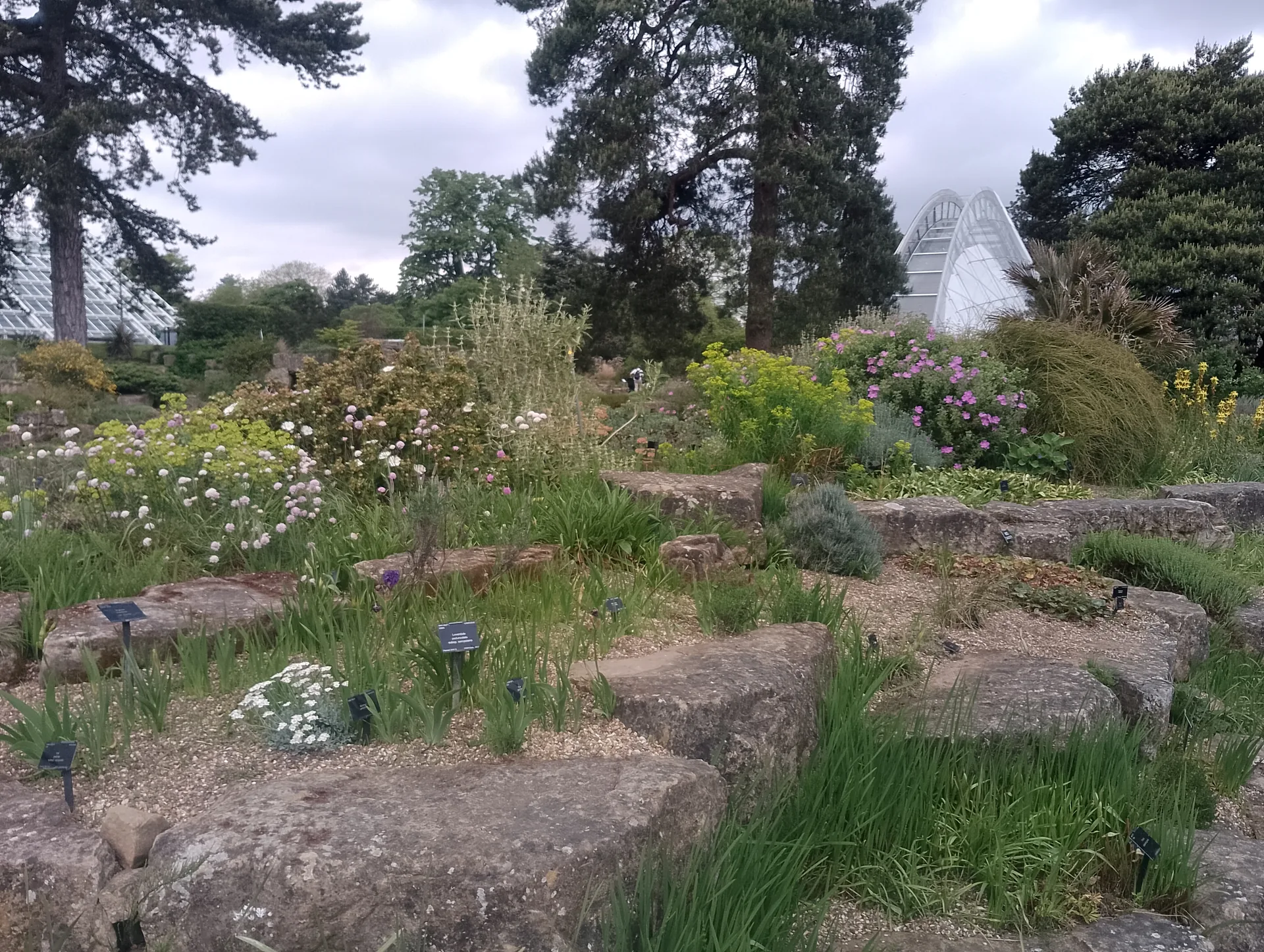
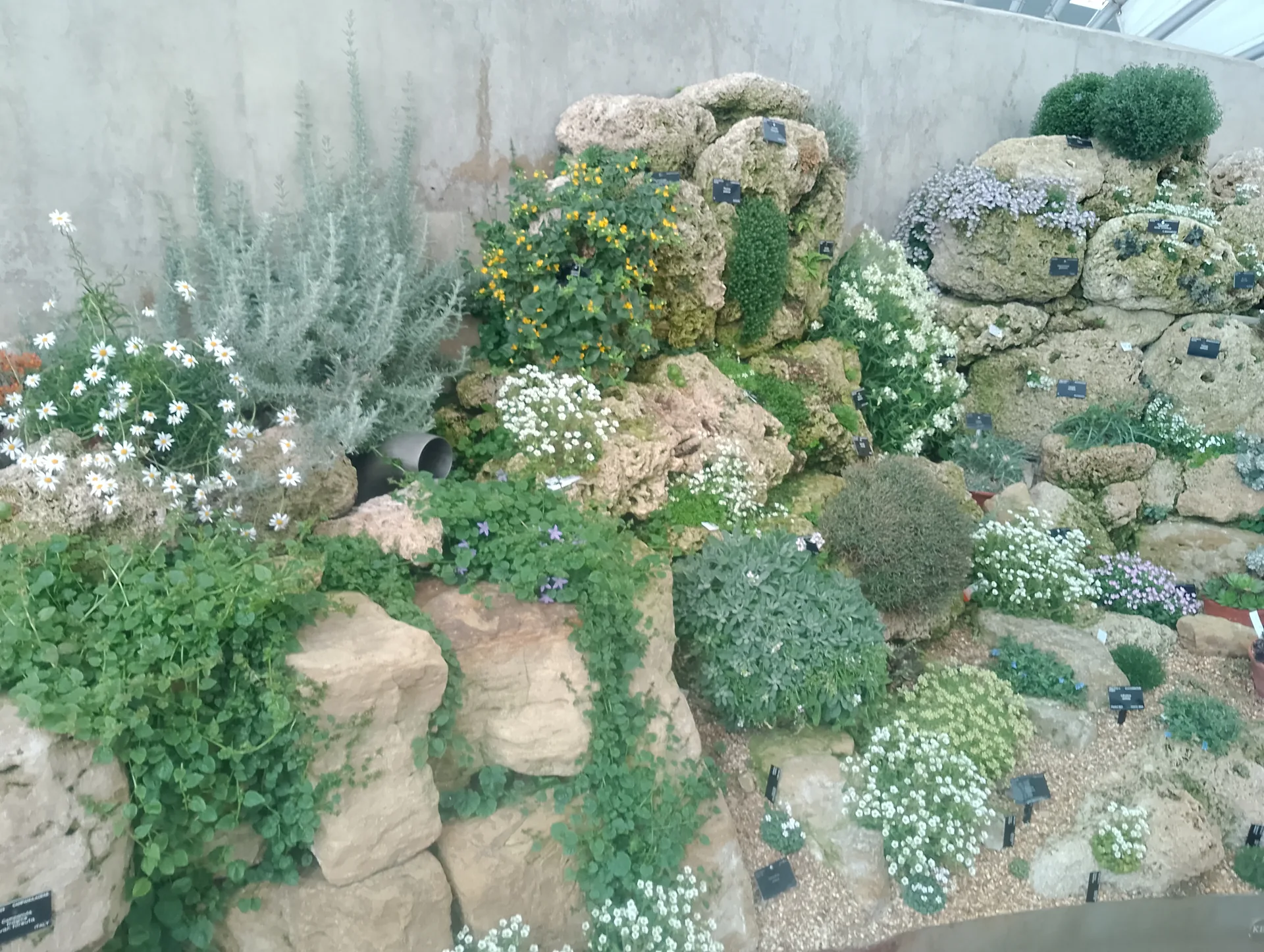
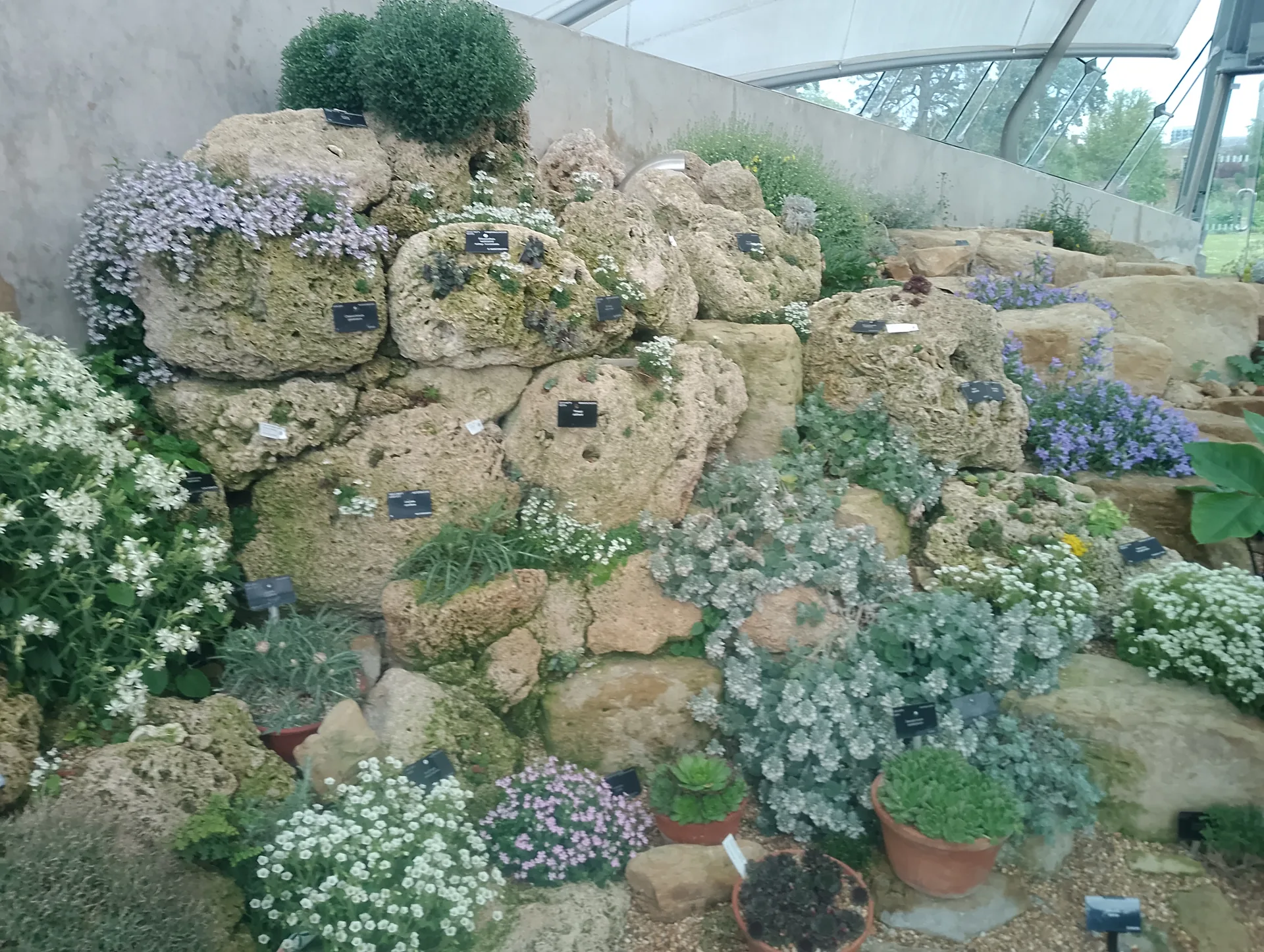
We follow this pathway back around and into the rock gardens, where a bird warbles incessantly with an odd form of vibrato. It’s somewhat haunting as it follows us around the rocky crevasses, where we find some form of spiral aloe vera plants before heading through the Davies Alpine House.
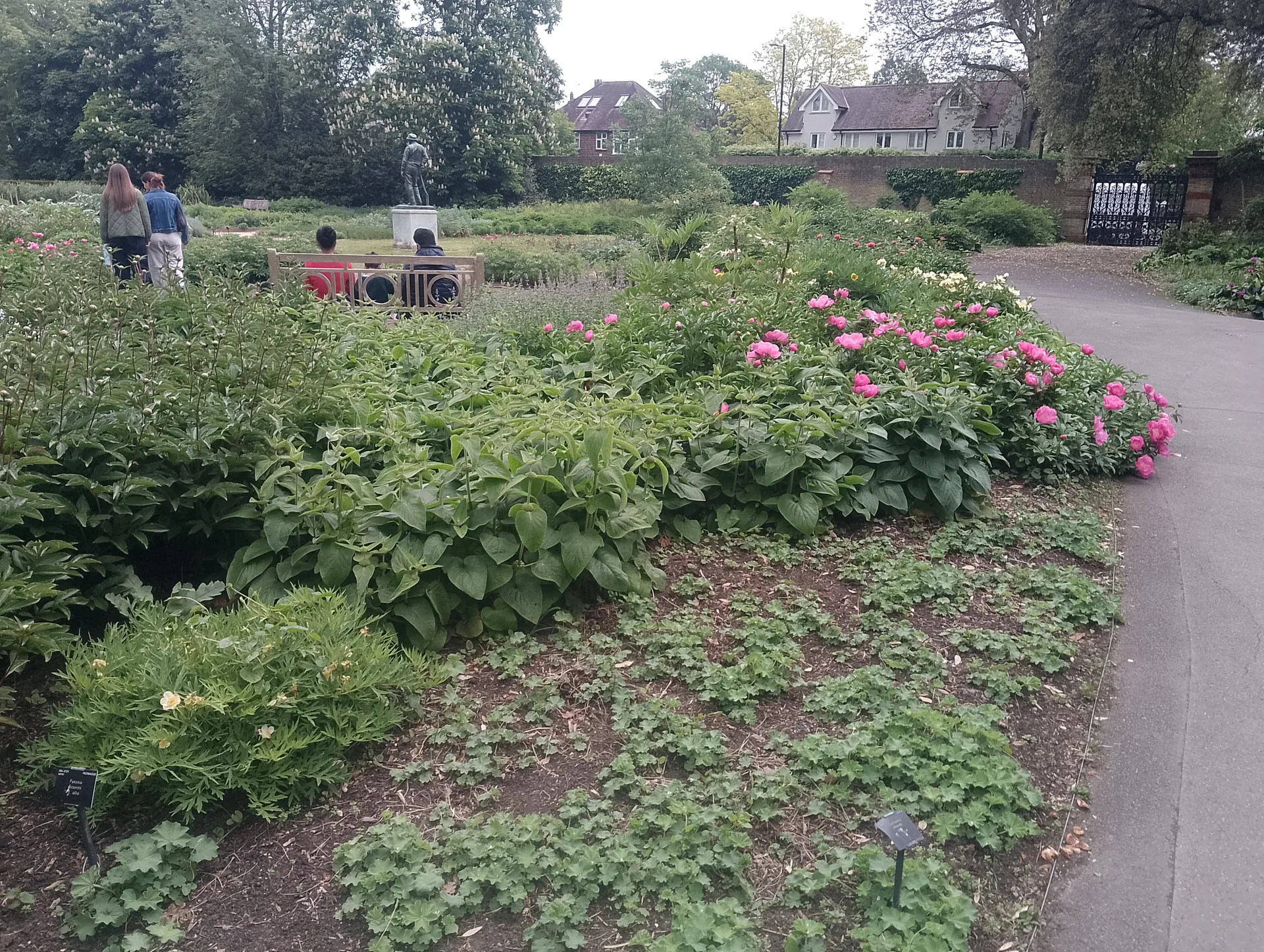
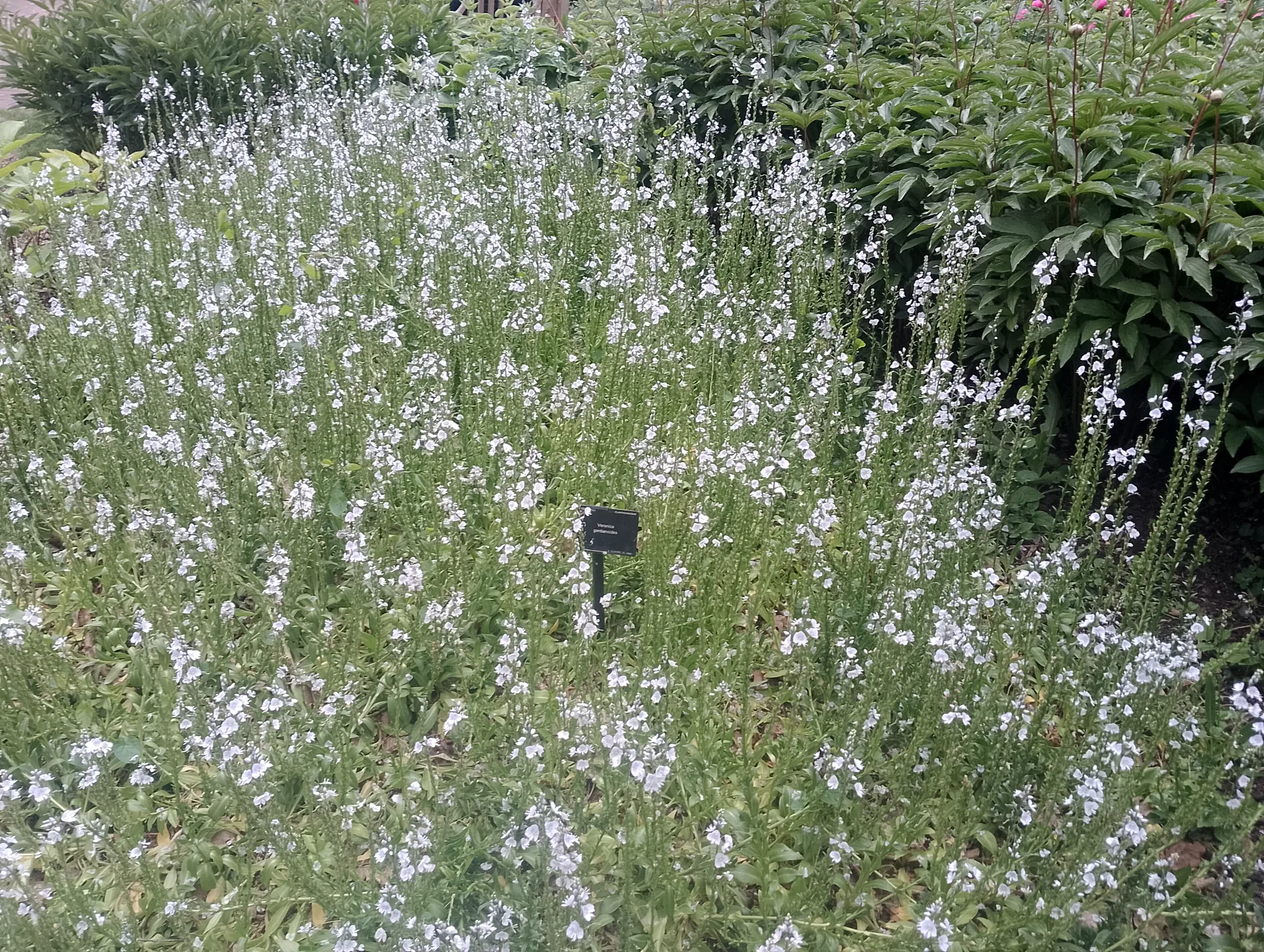
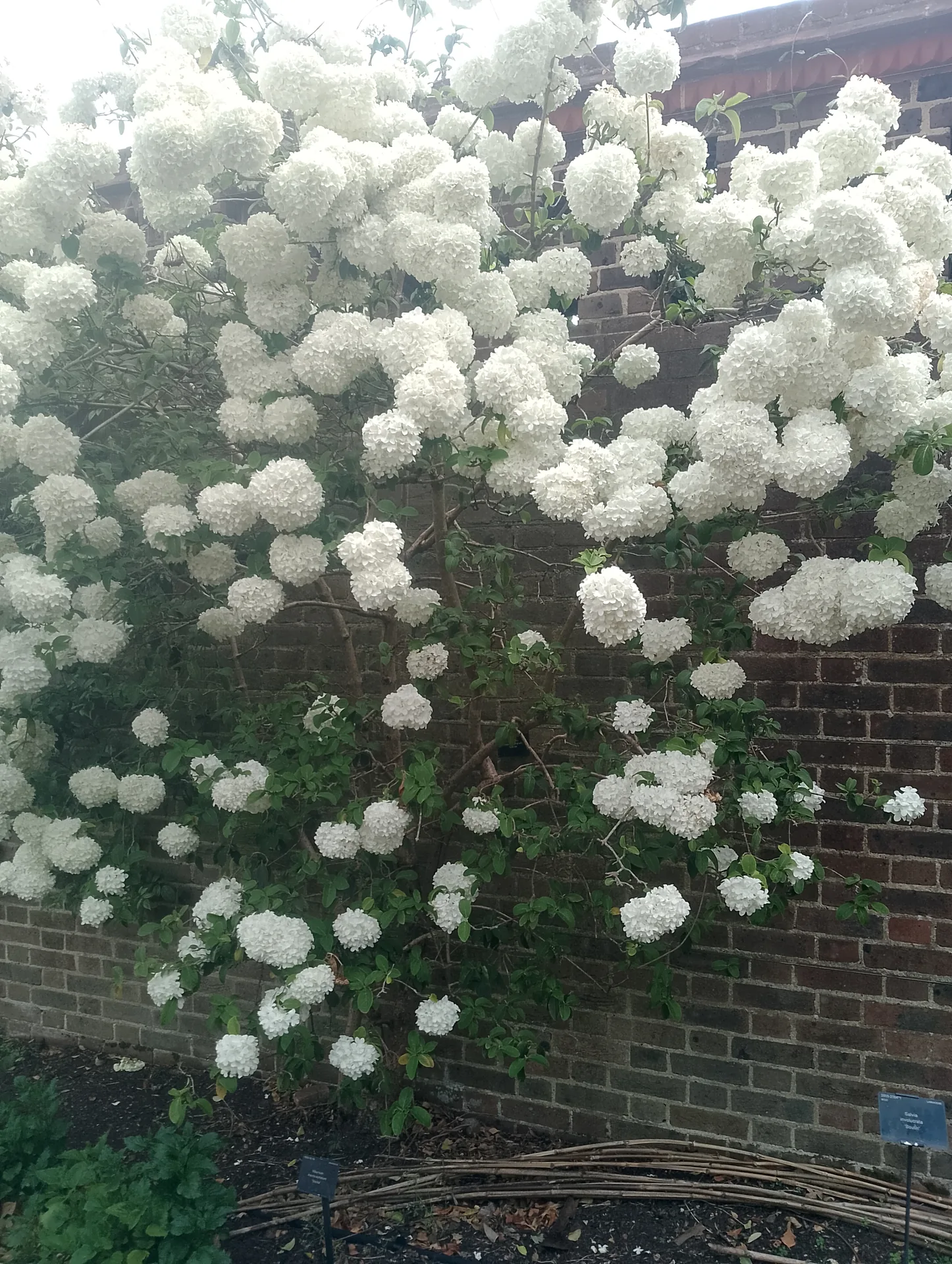
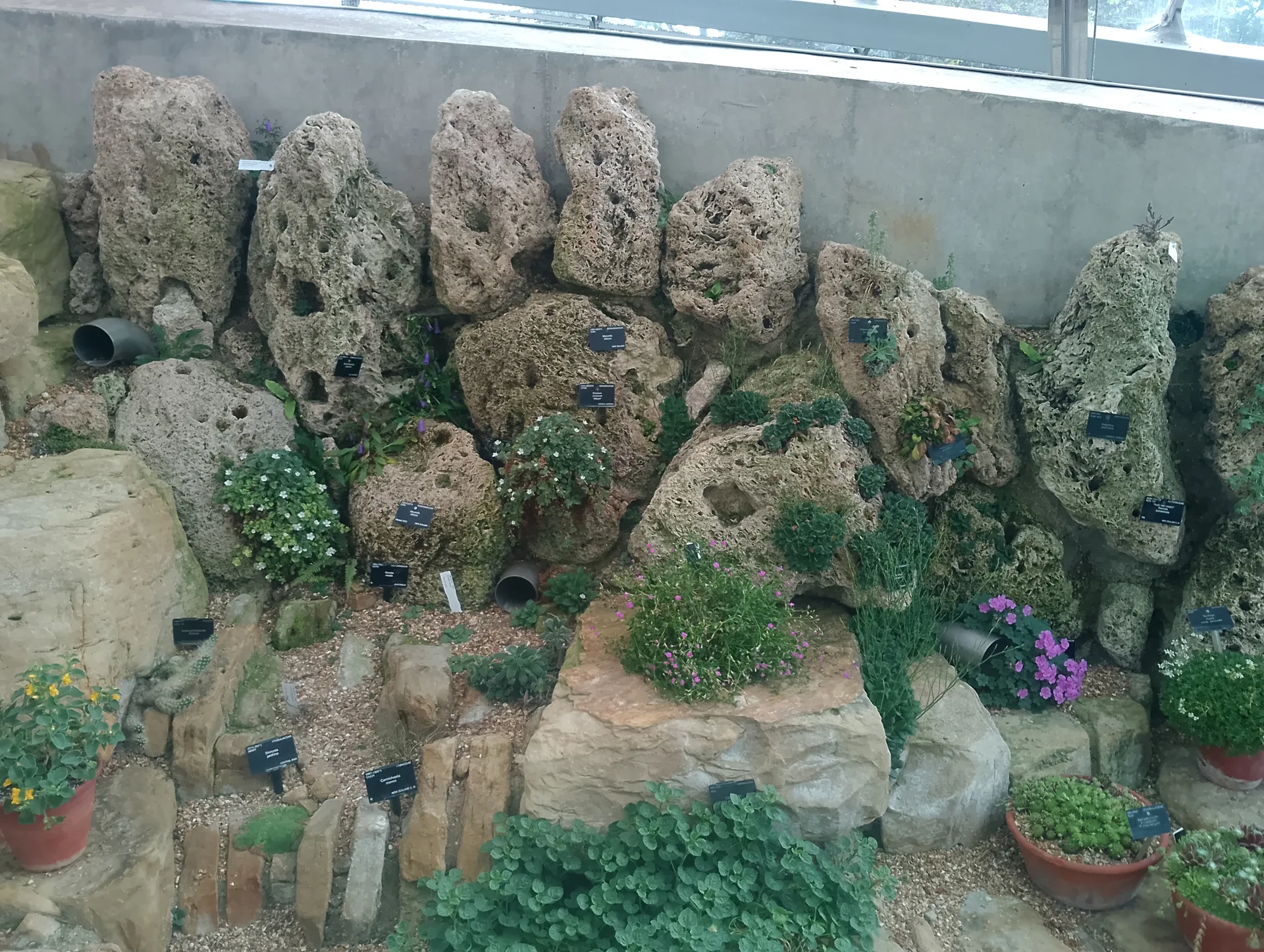
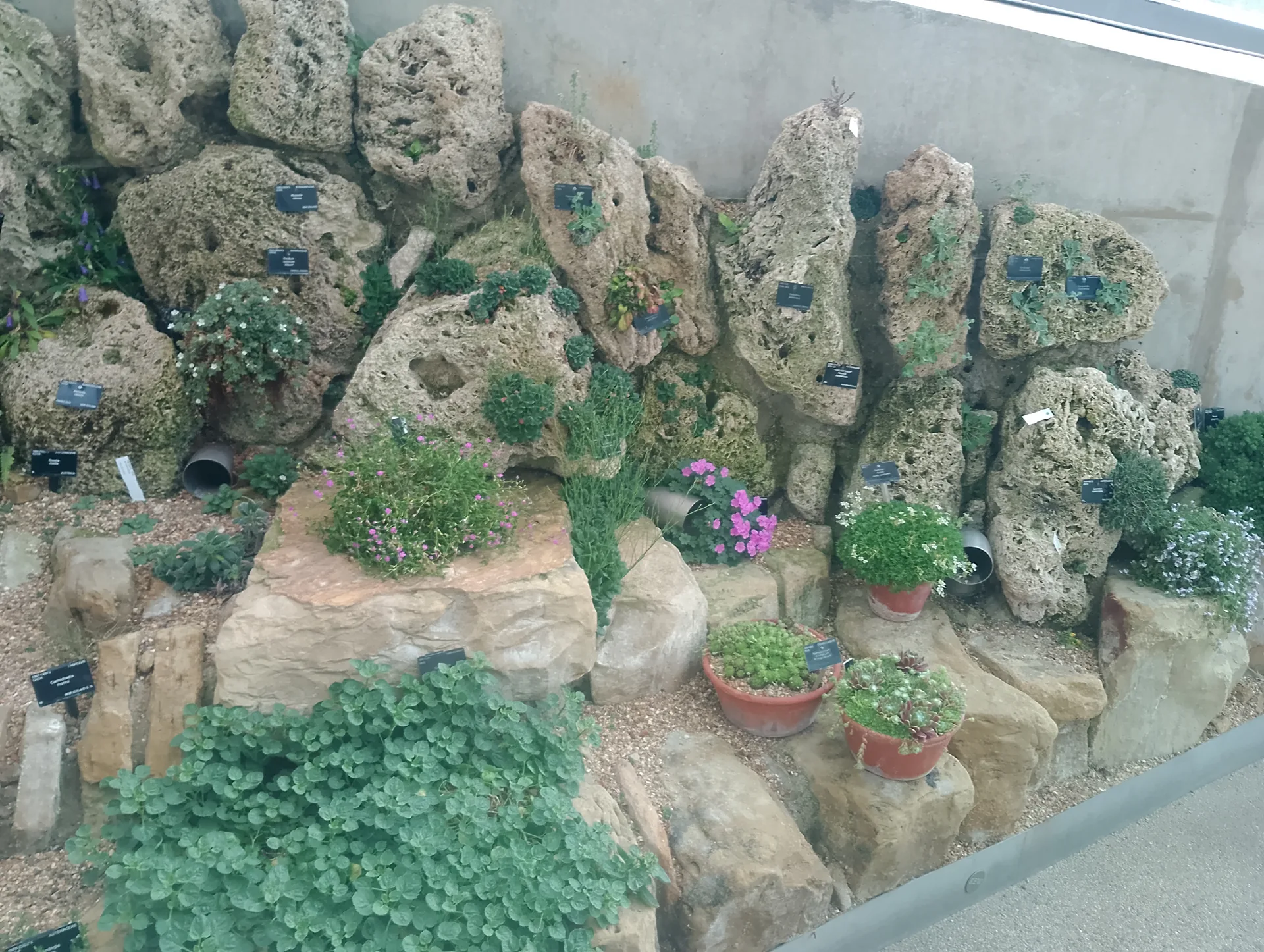
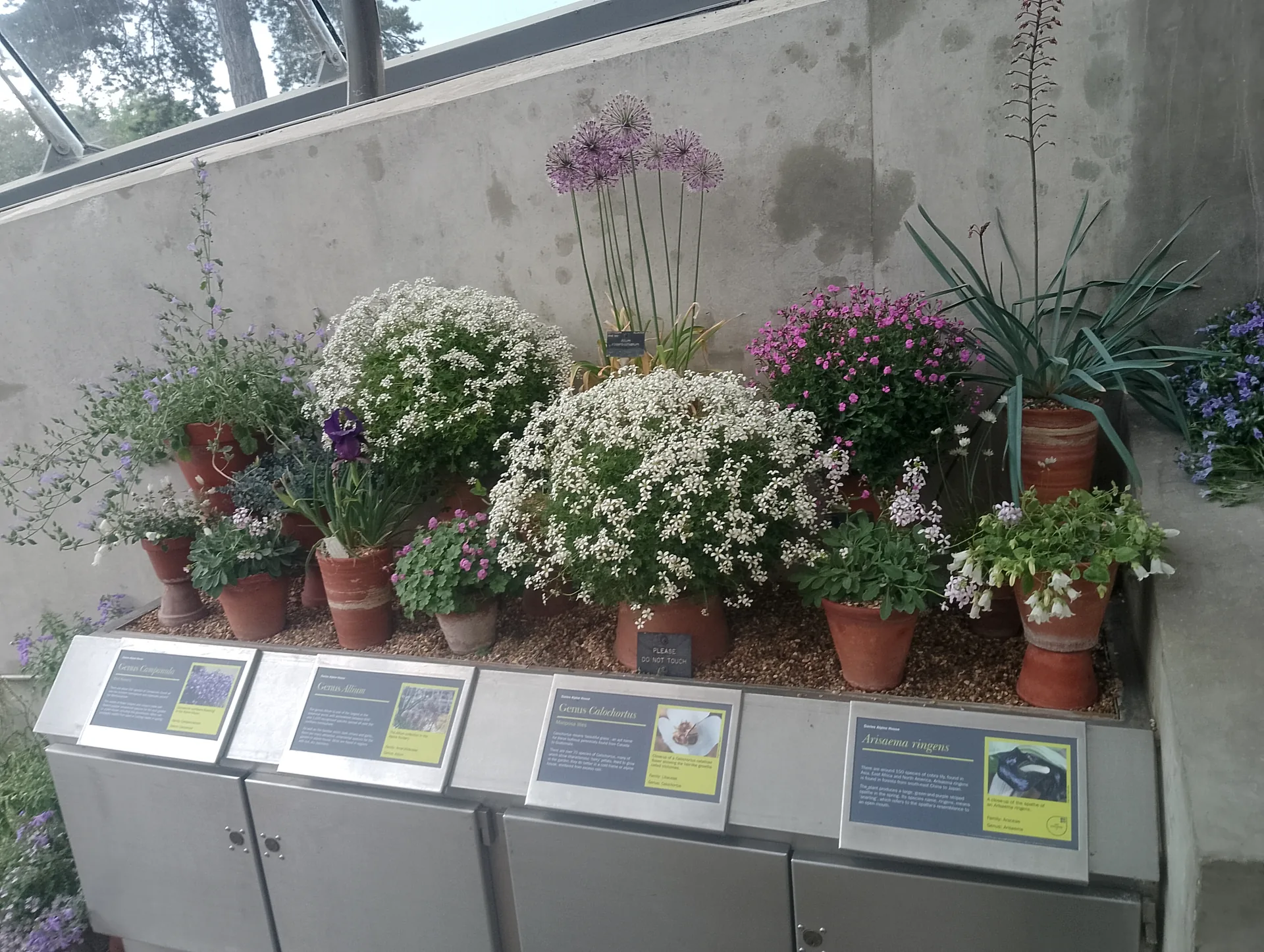
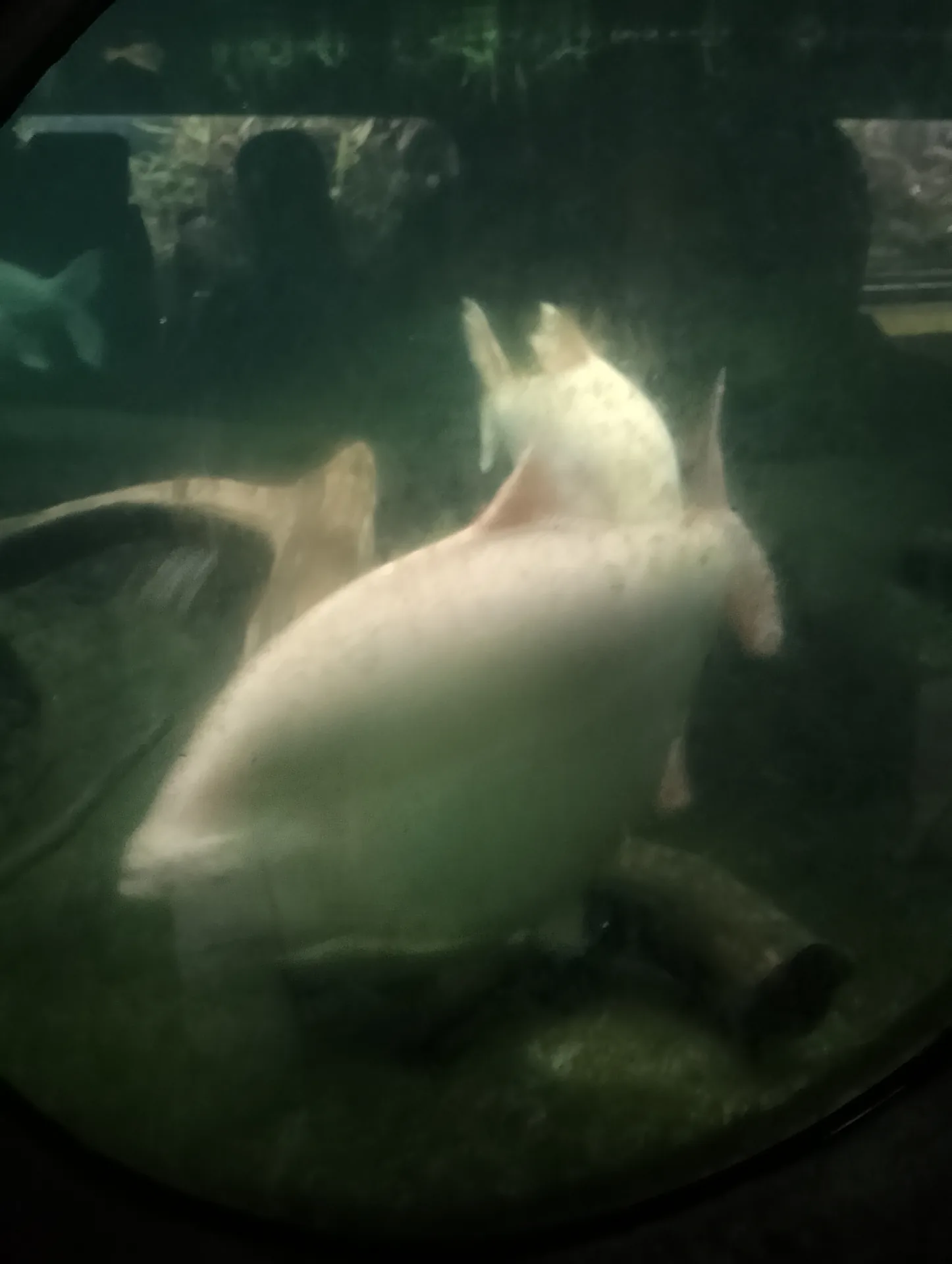
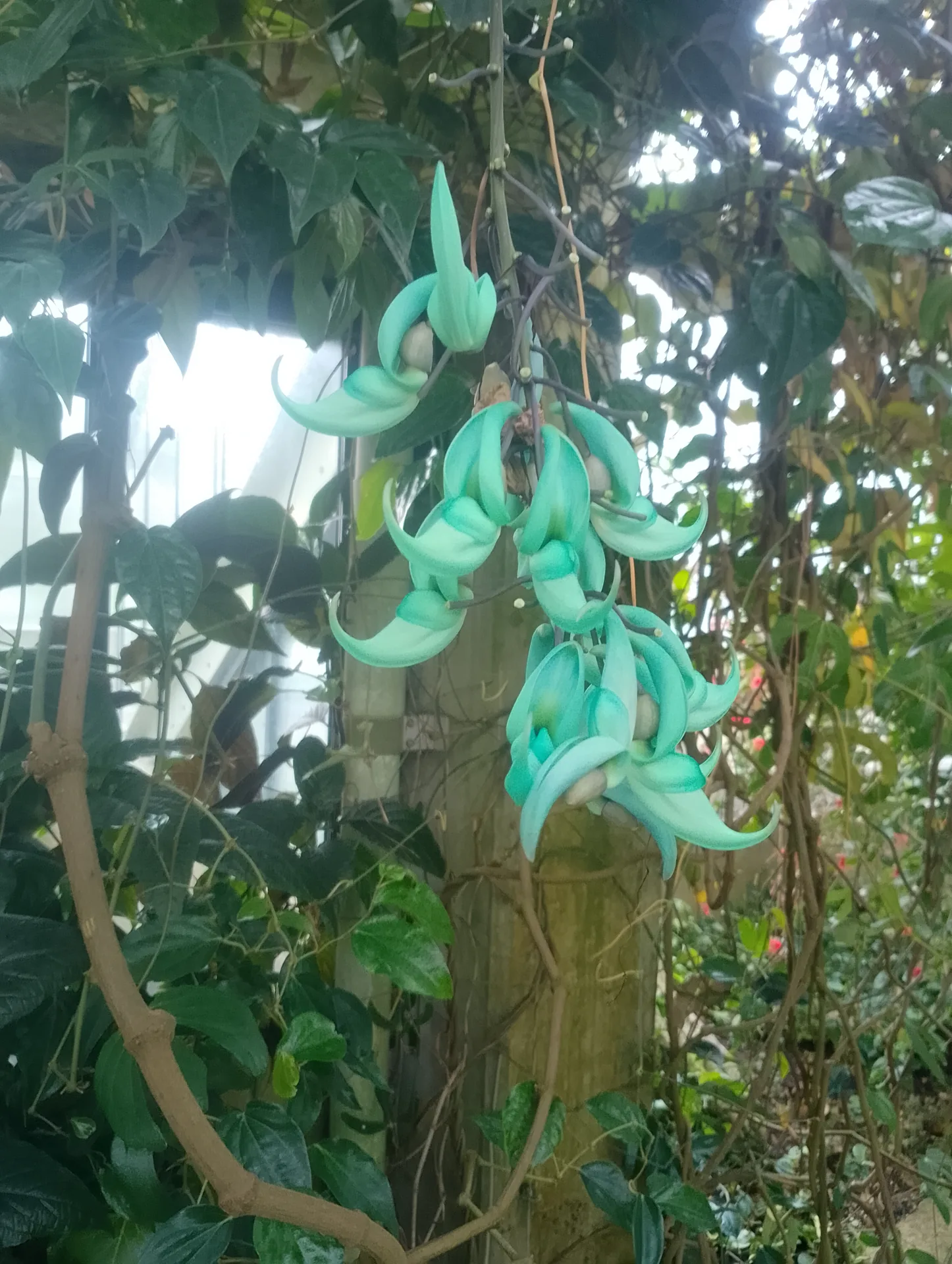
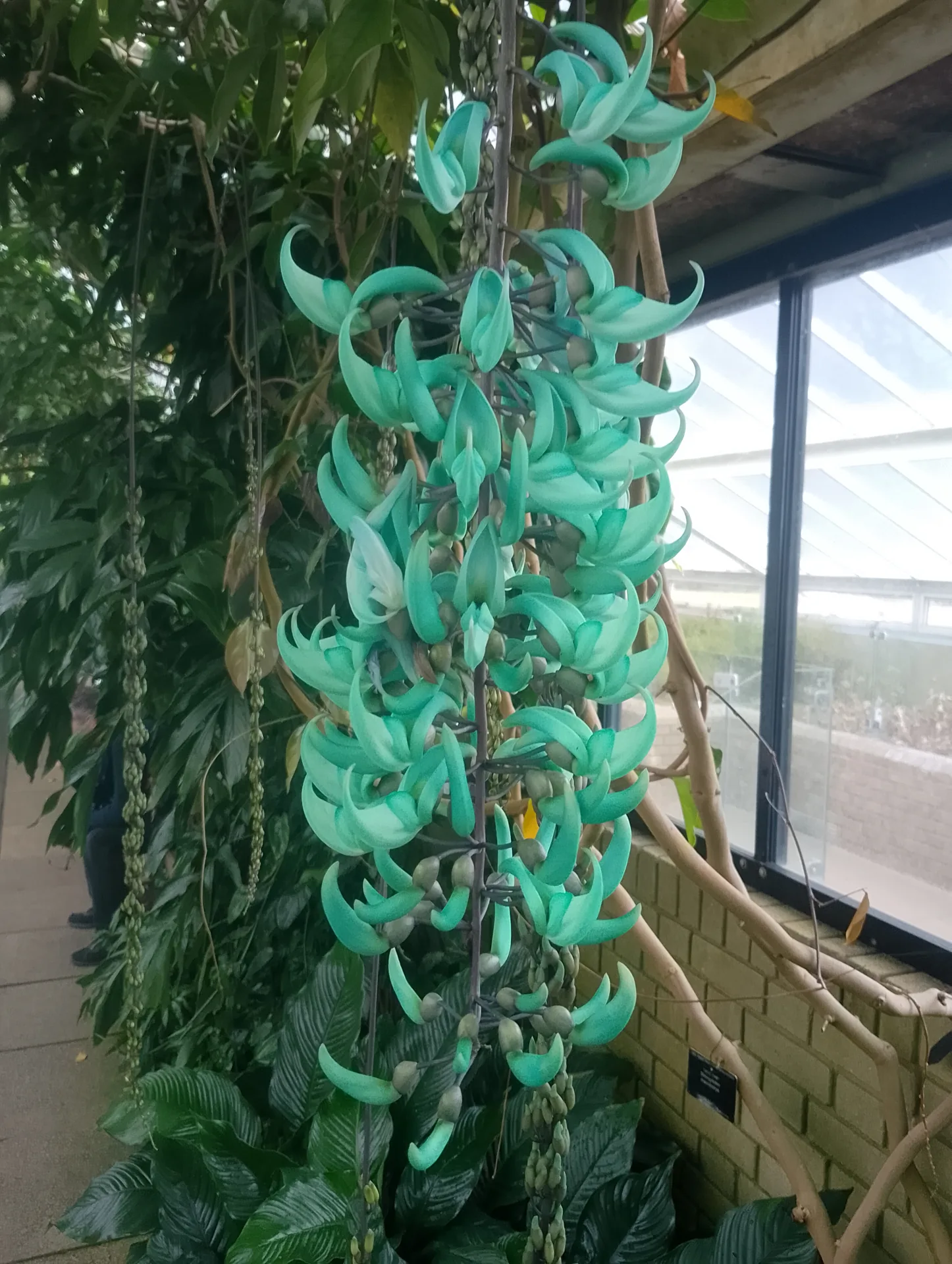
This brings us to the Princess of Wales Conservatory, which is an elaborate structure containing many sections. The first section contains herbaceous tropical plants inclusive of an orchid display; a jungle section inclusive of large fish that are probably not koi but certainly reminiscent of a koi pond; a range of carnivorous plants; and finally the desert climate, full of cacti.
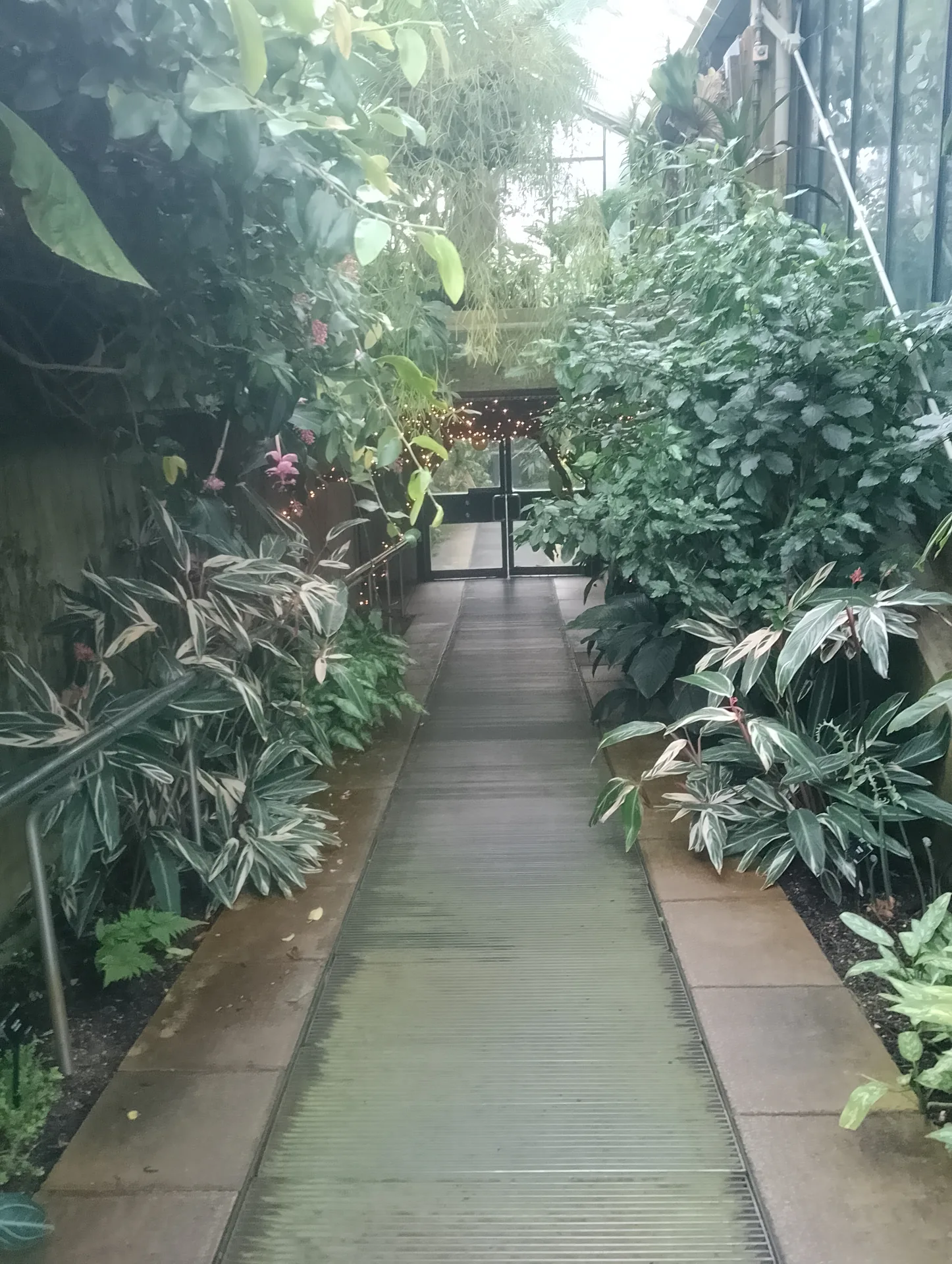
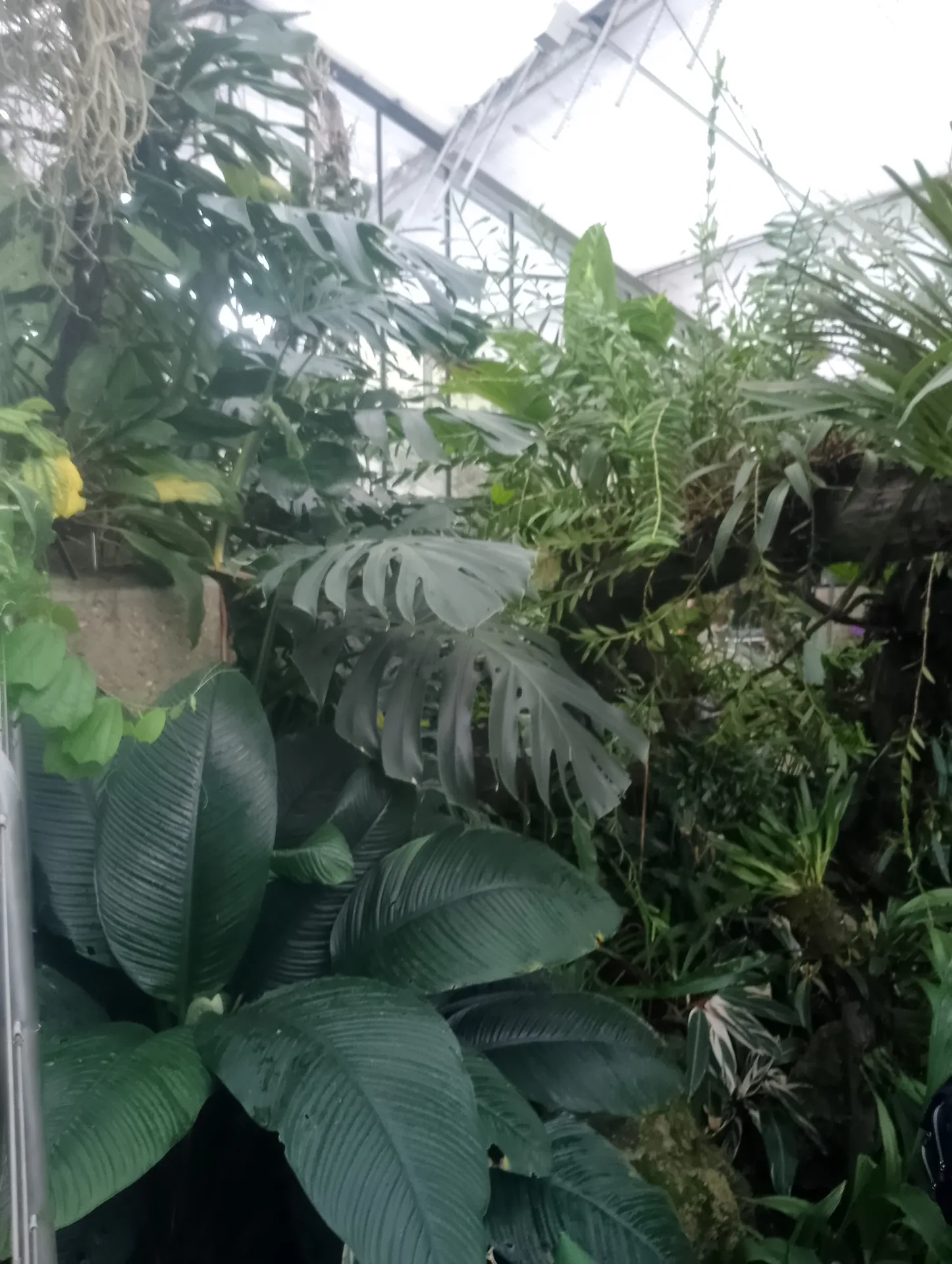
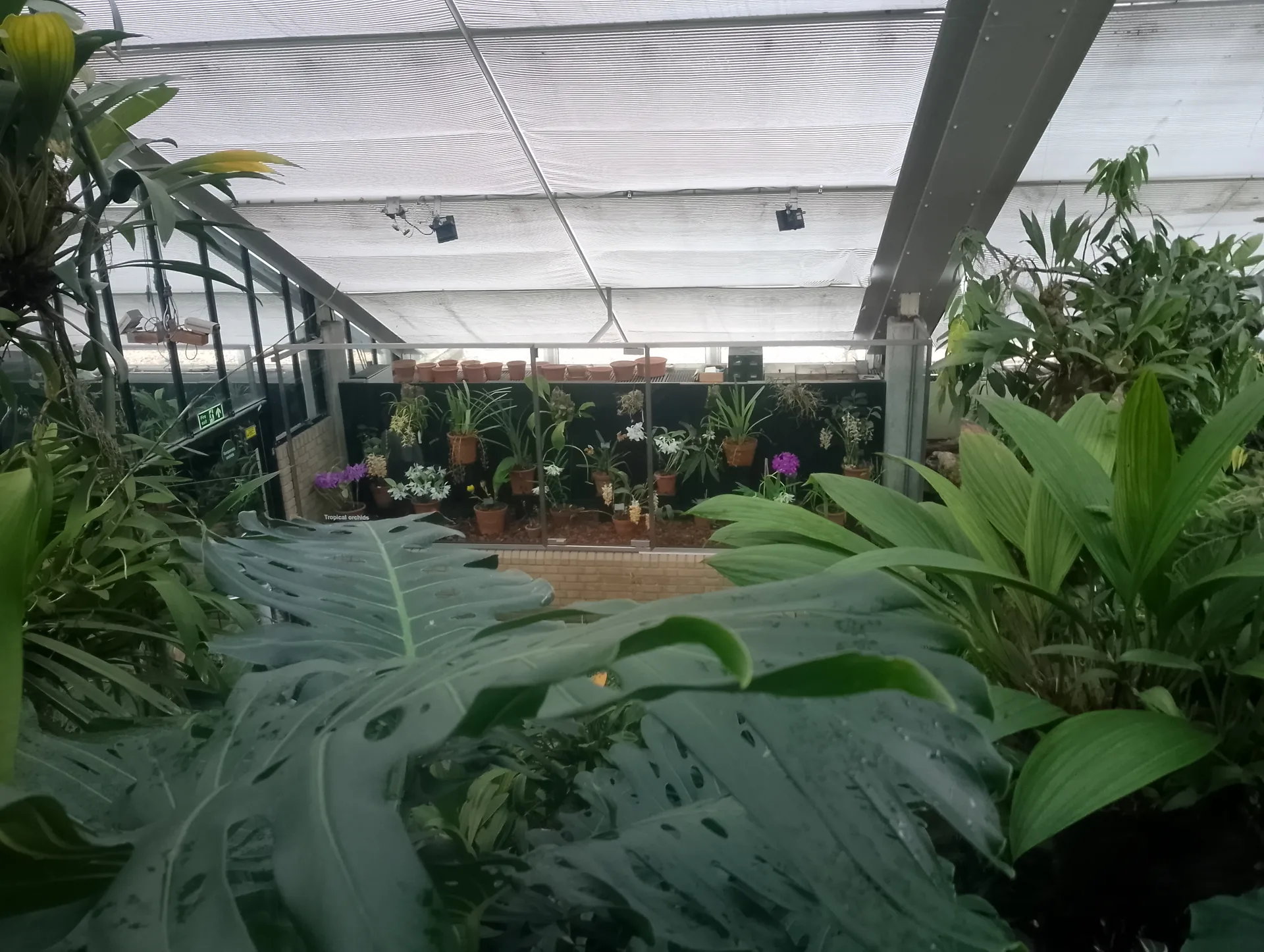
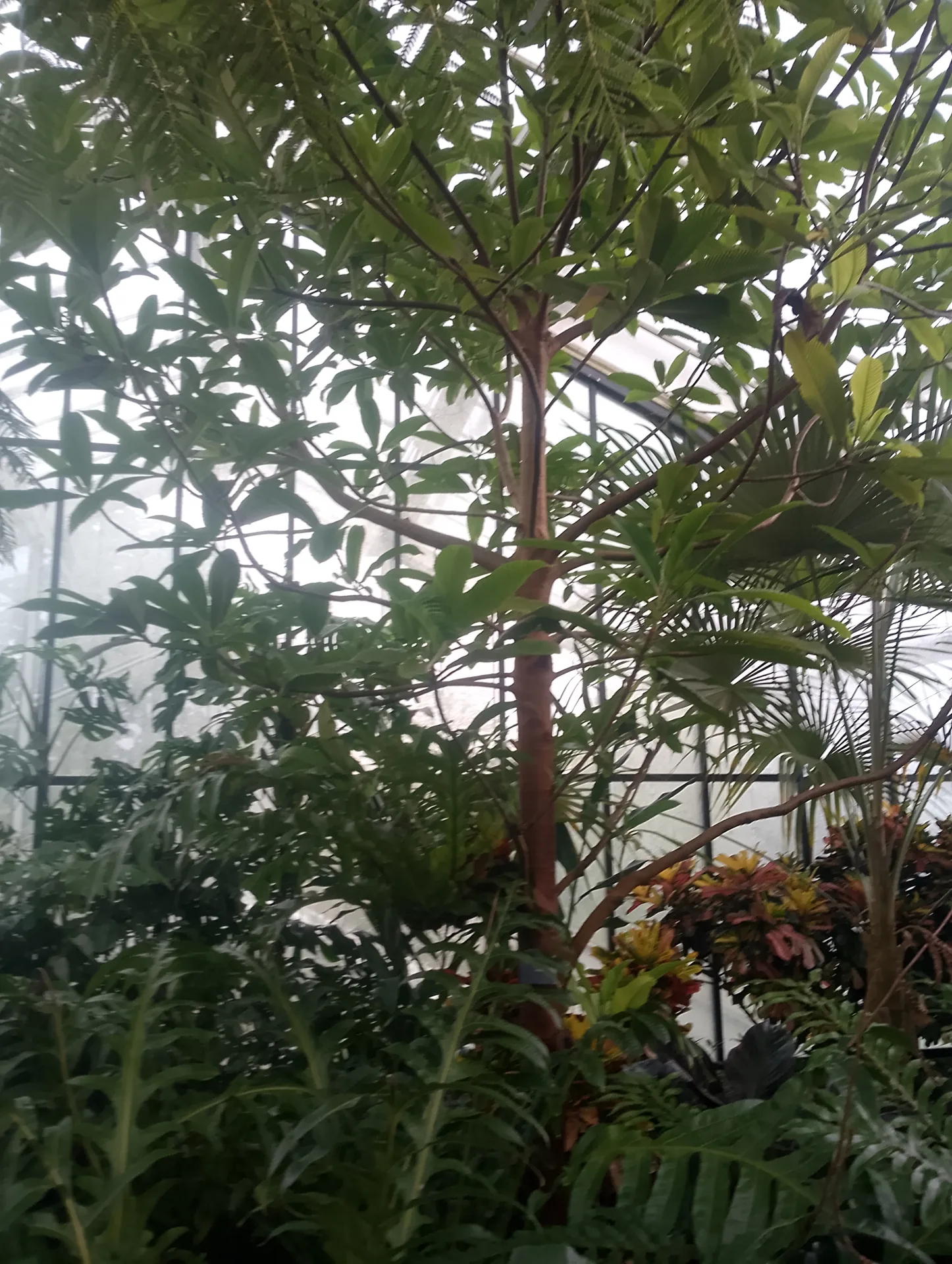
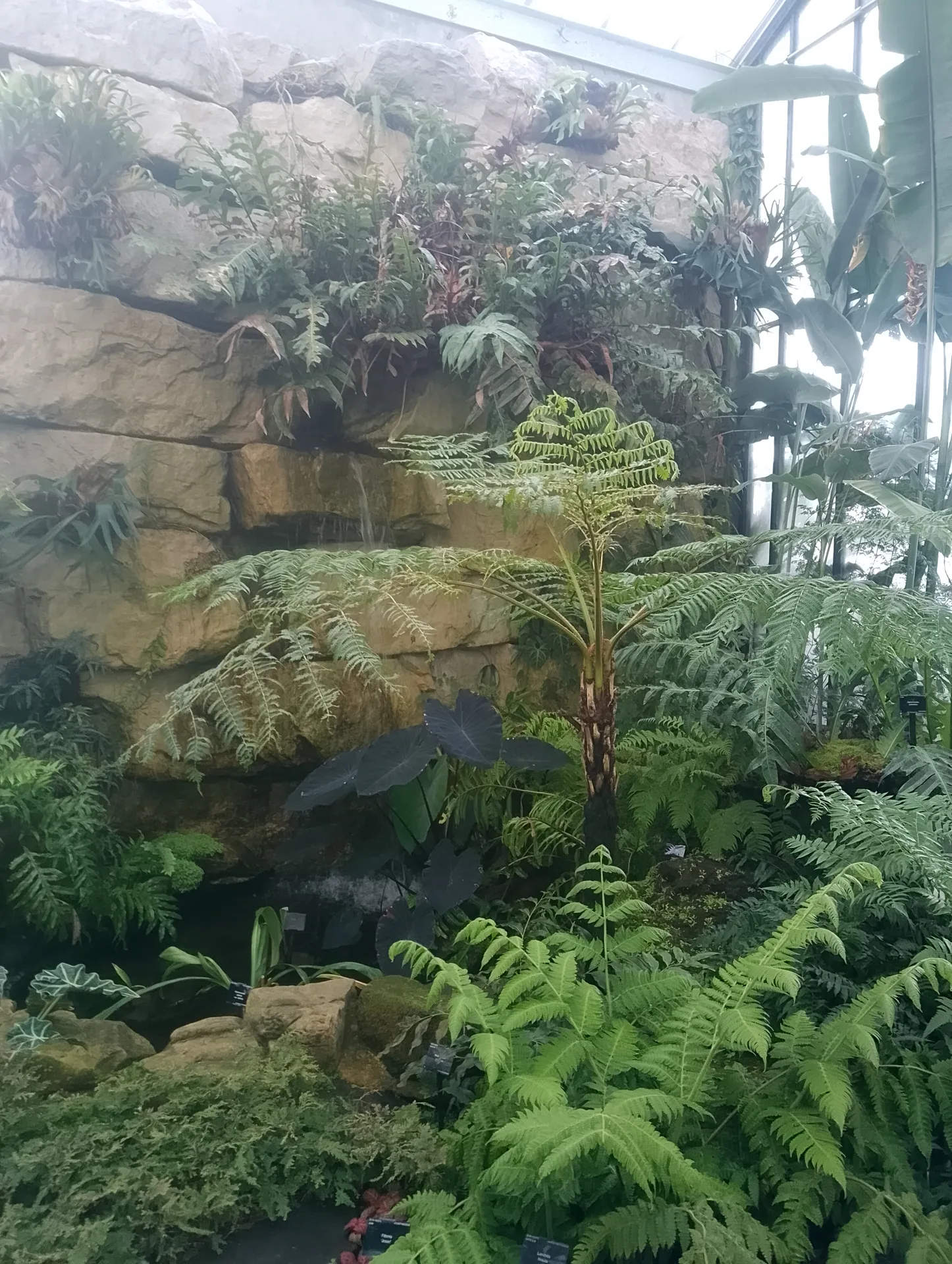
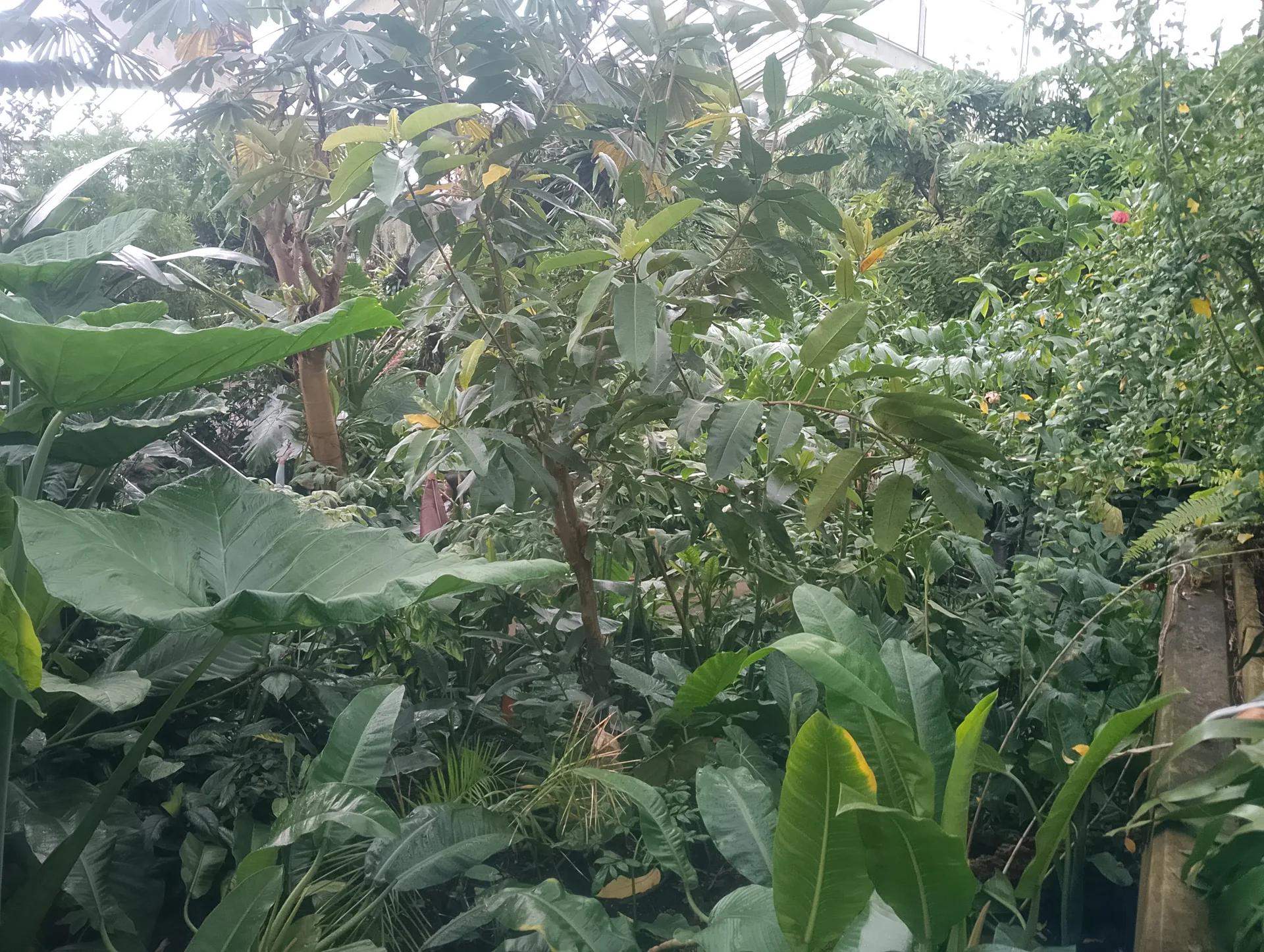
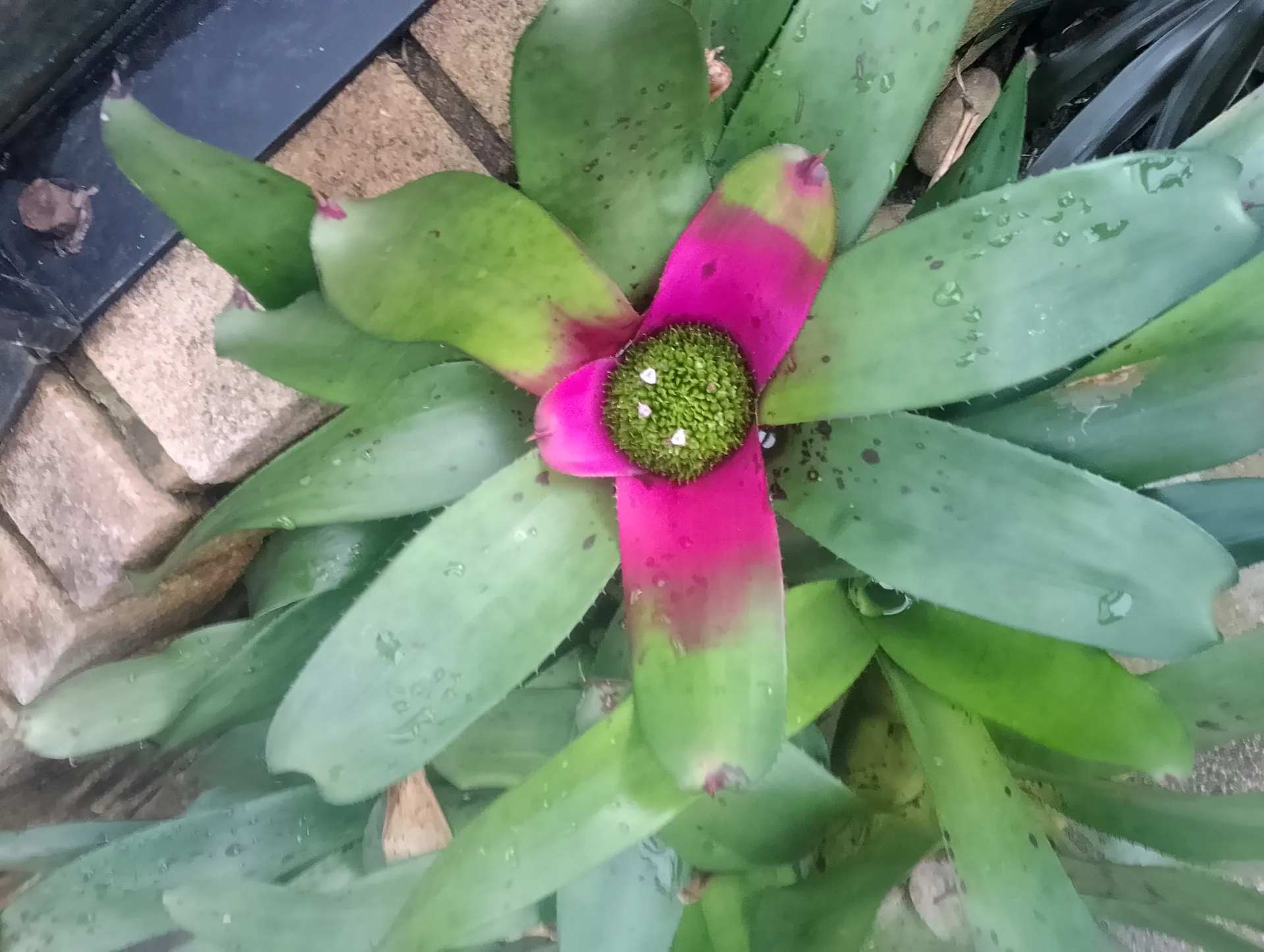
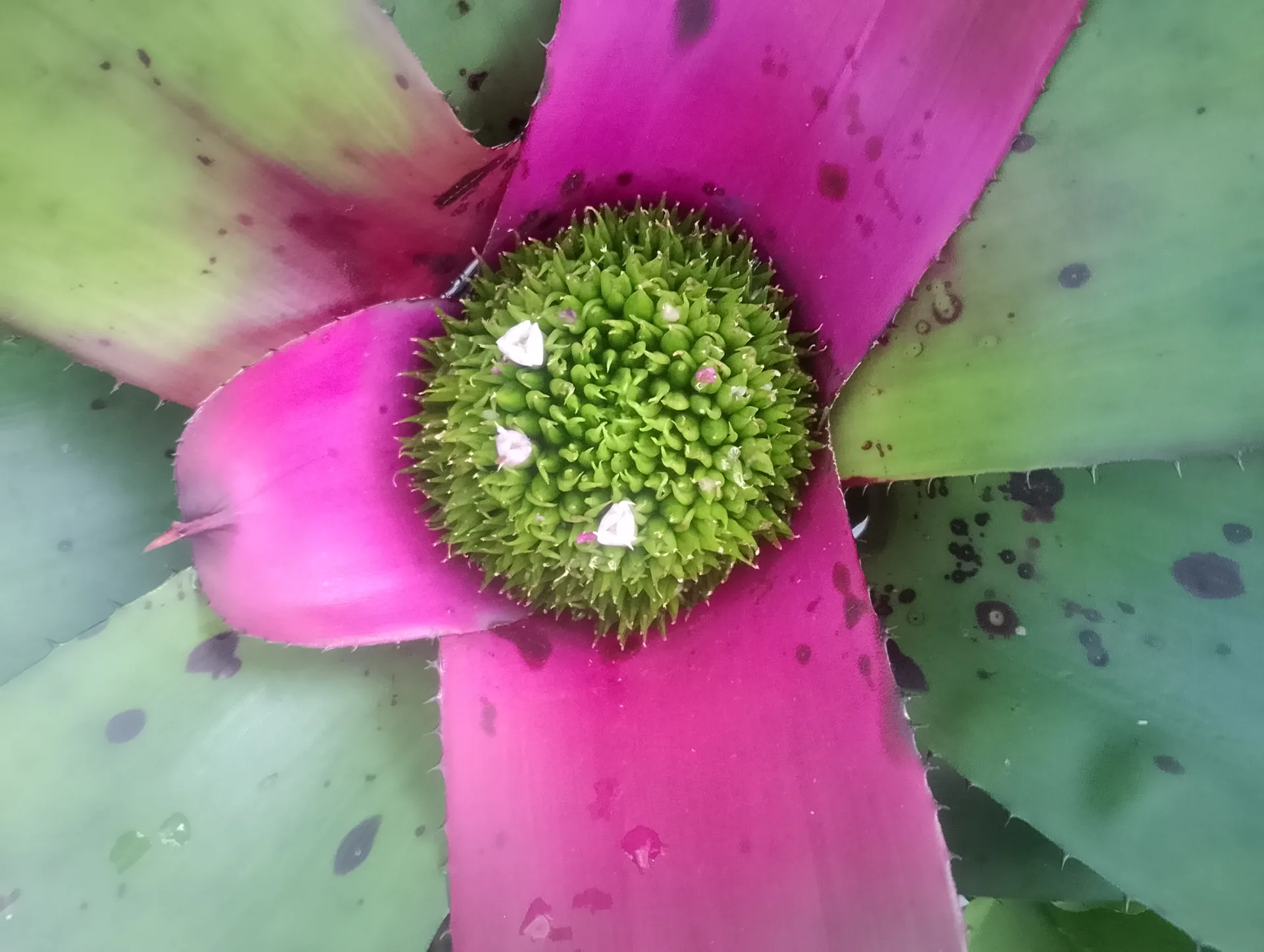
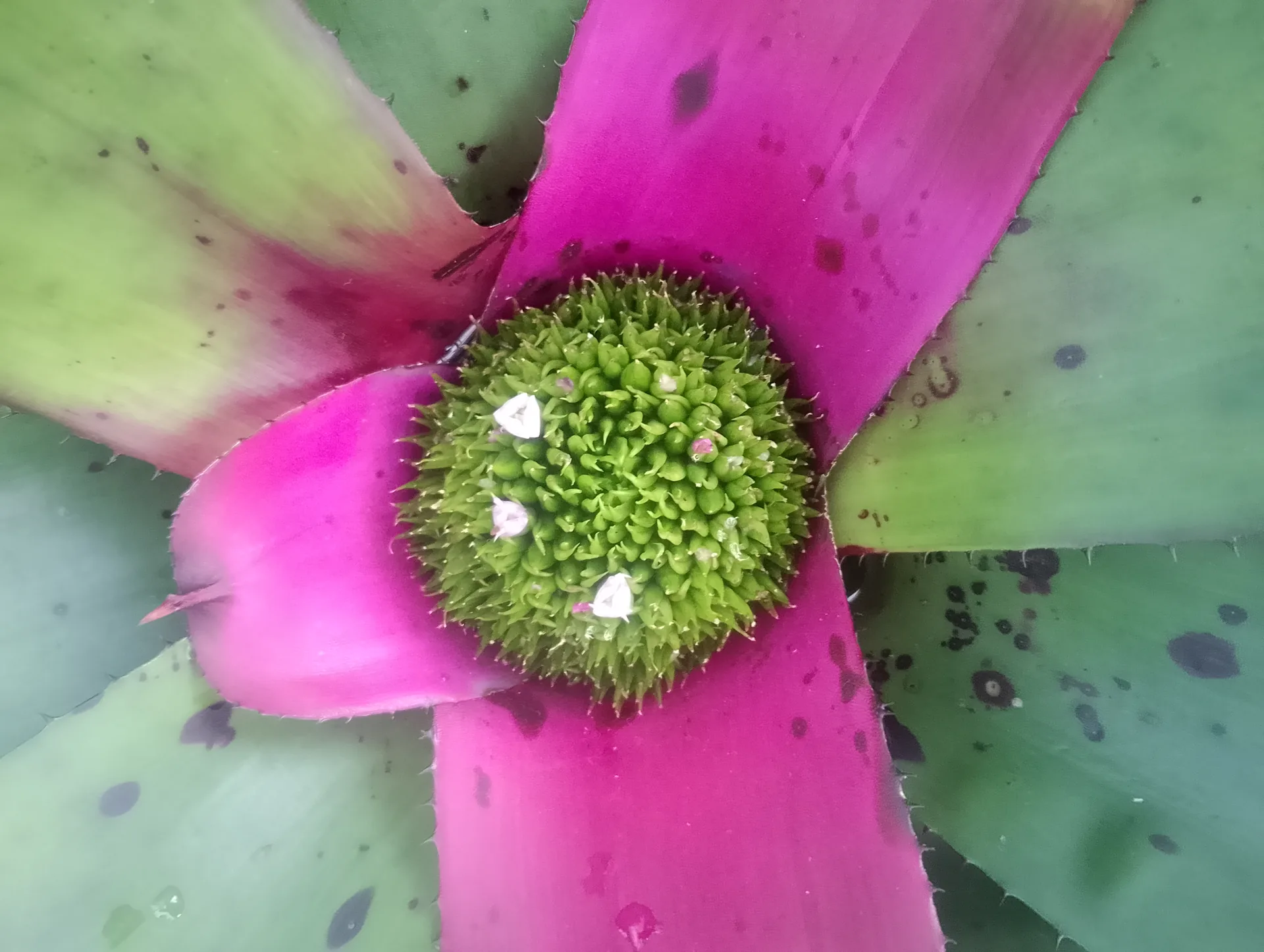
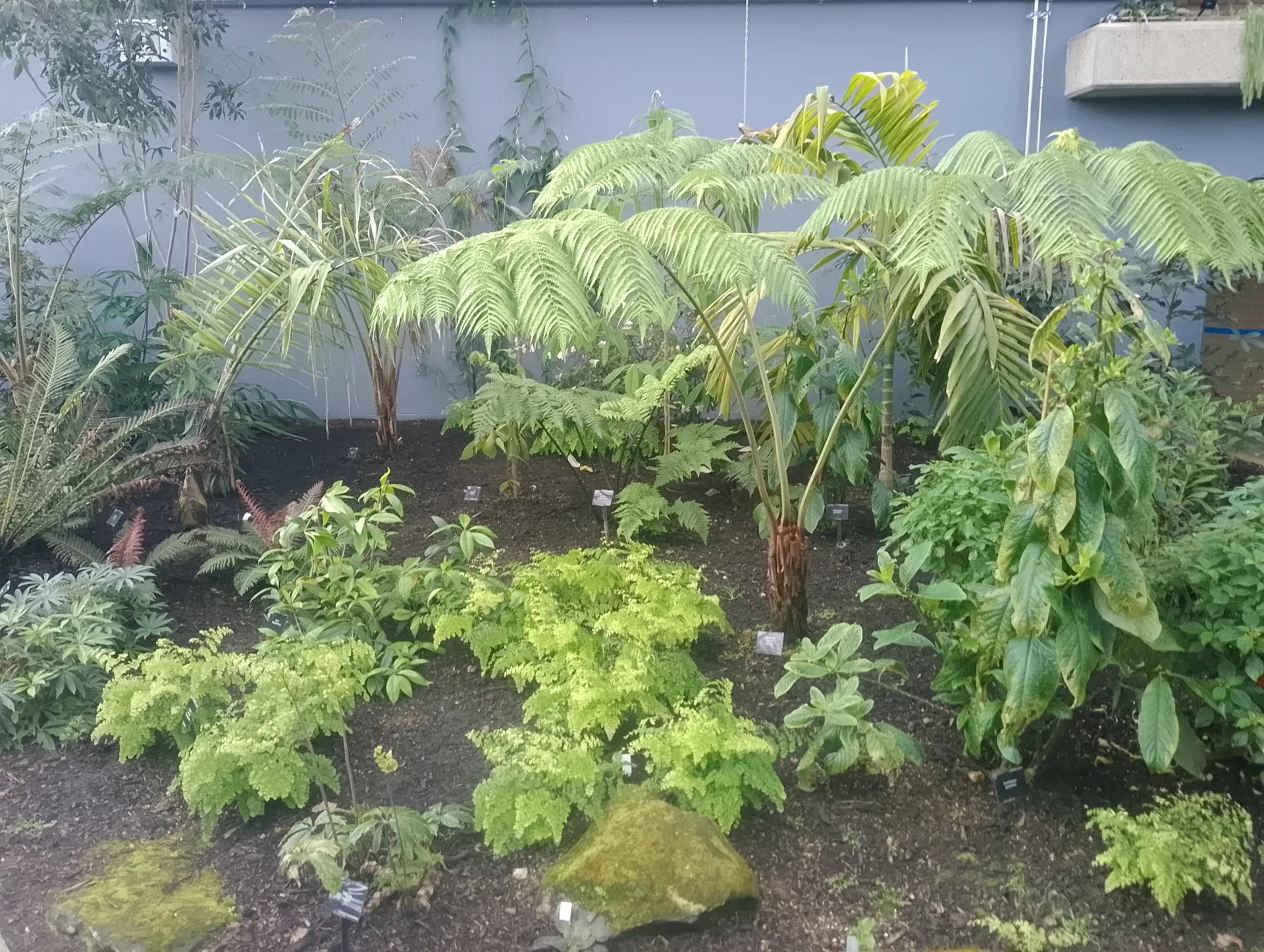
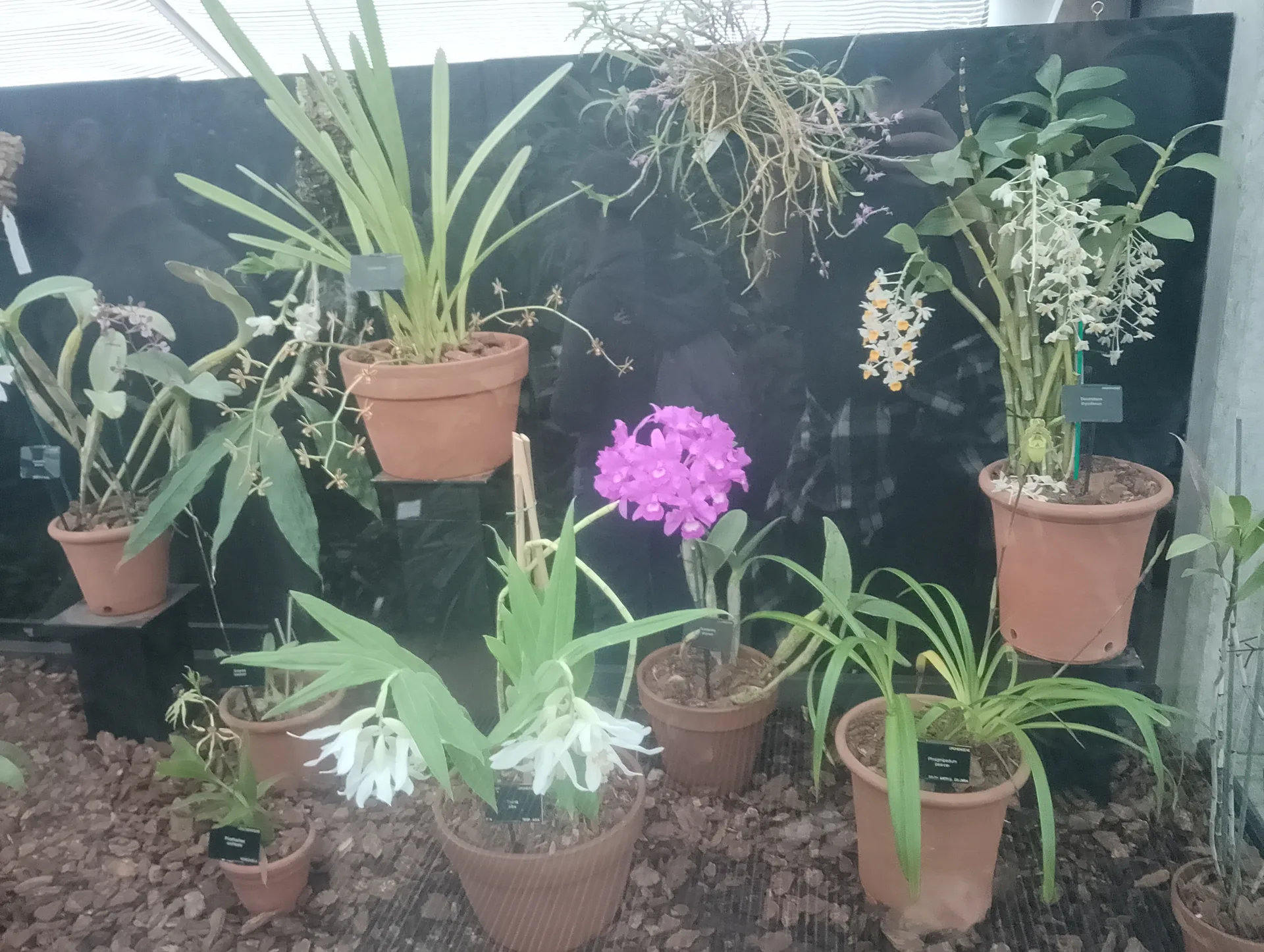
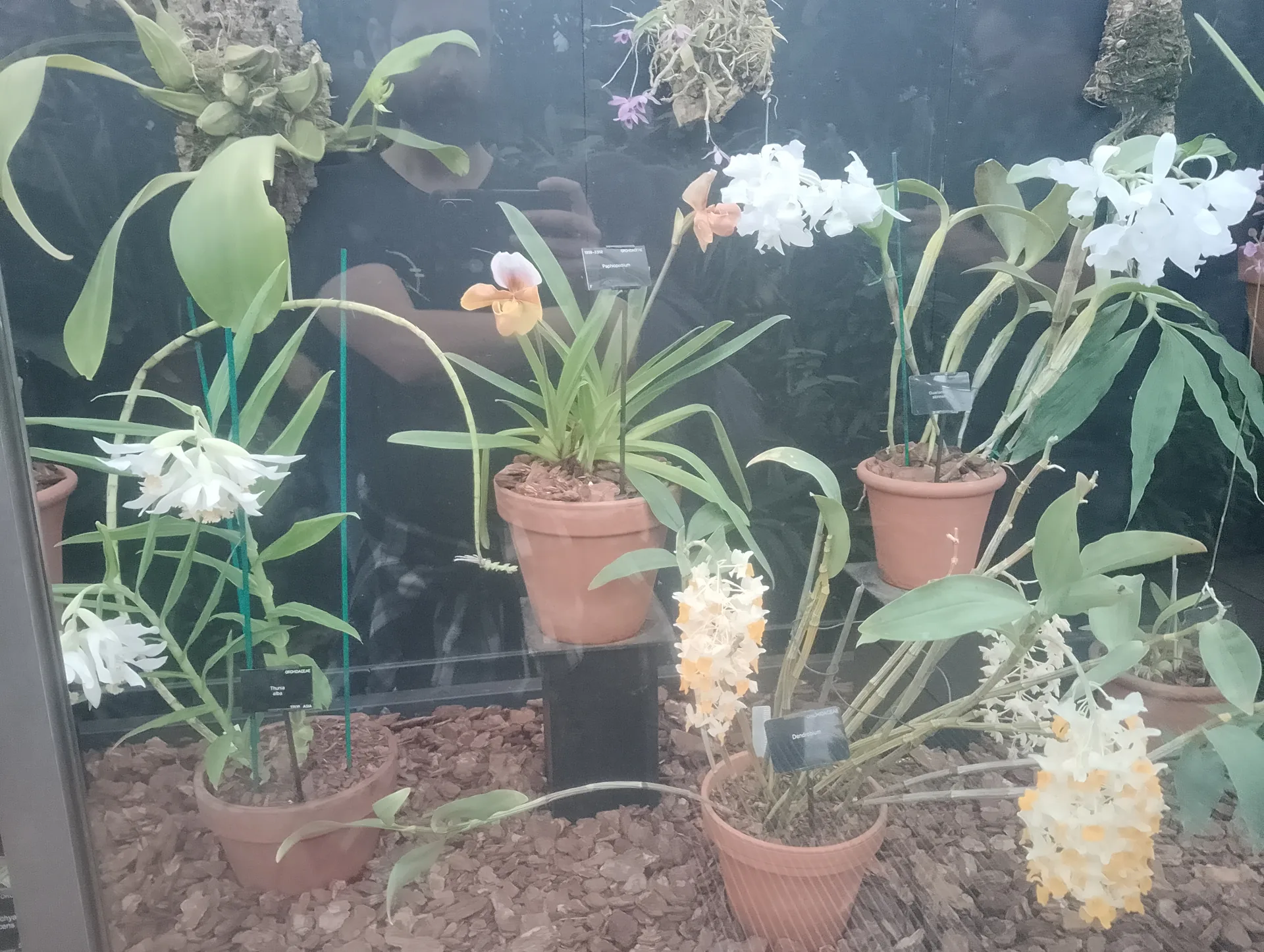
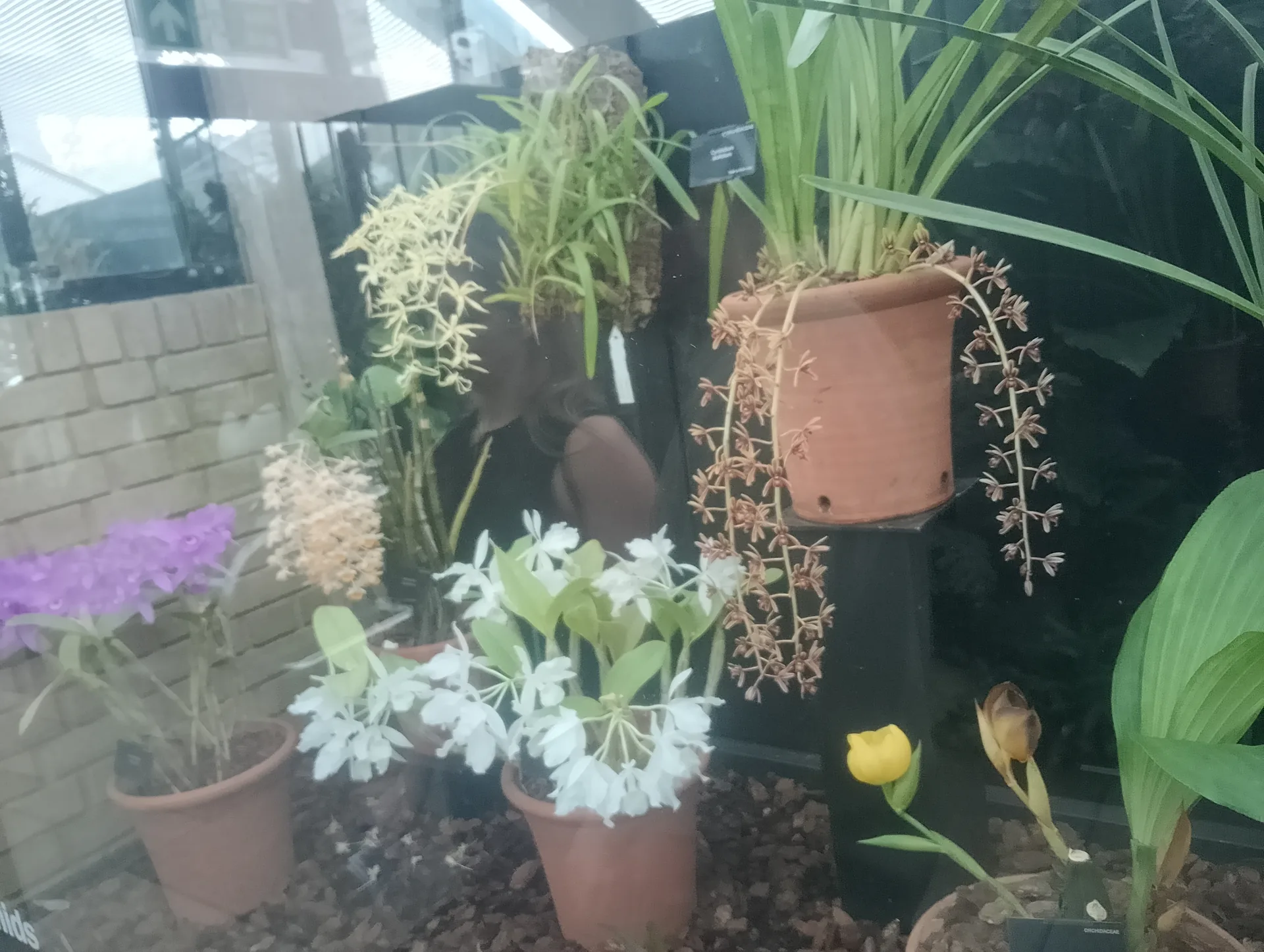
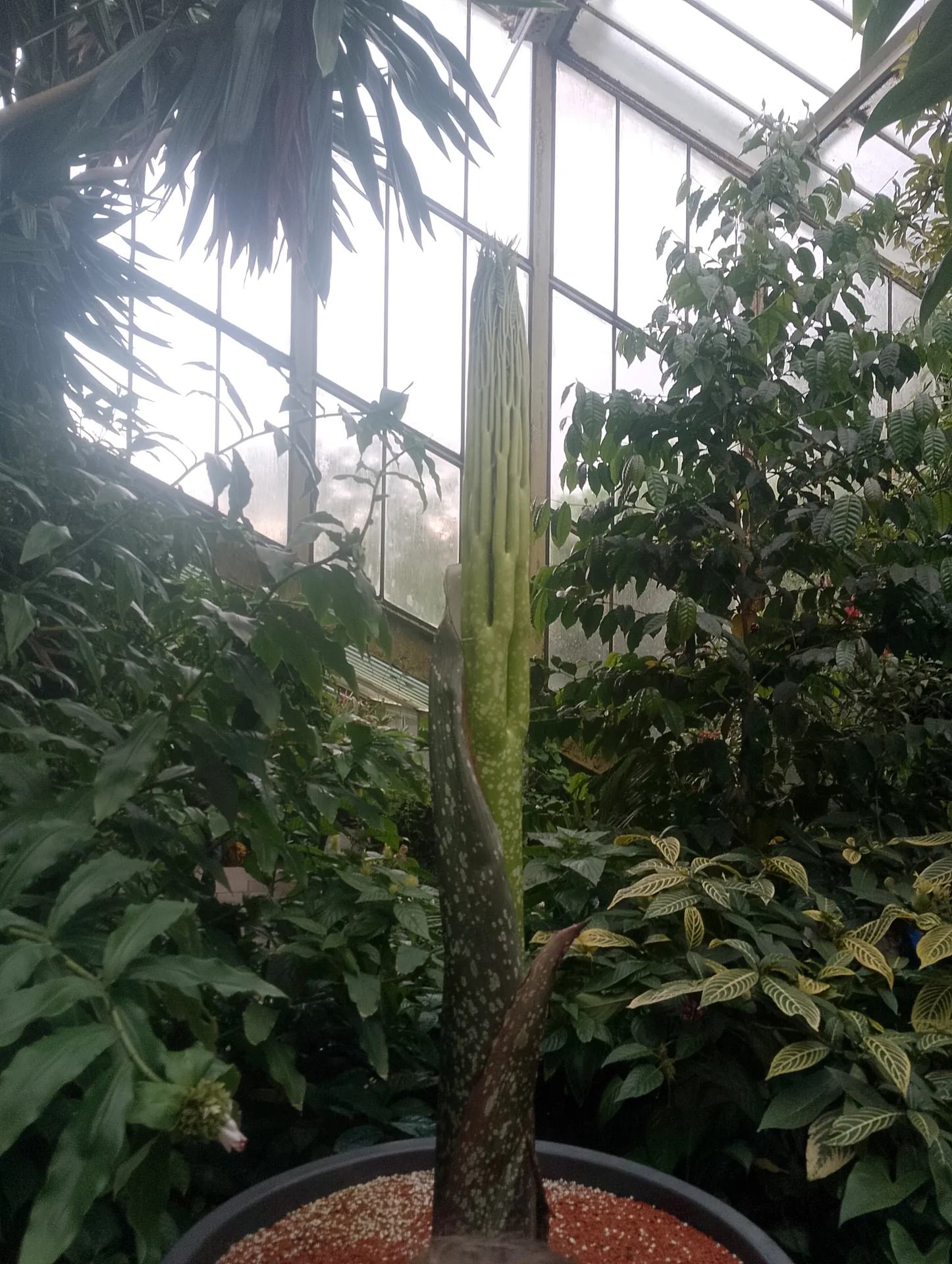
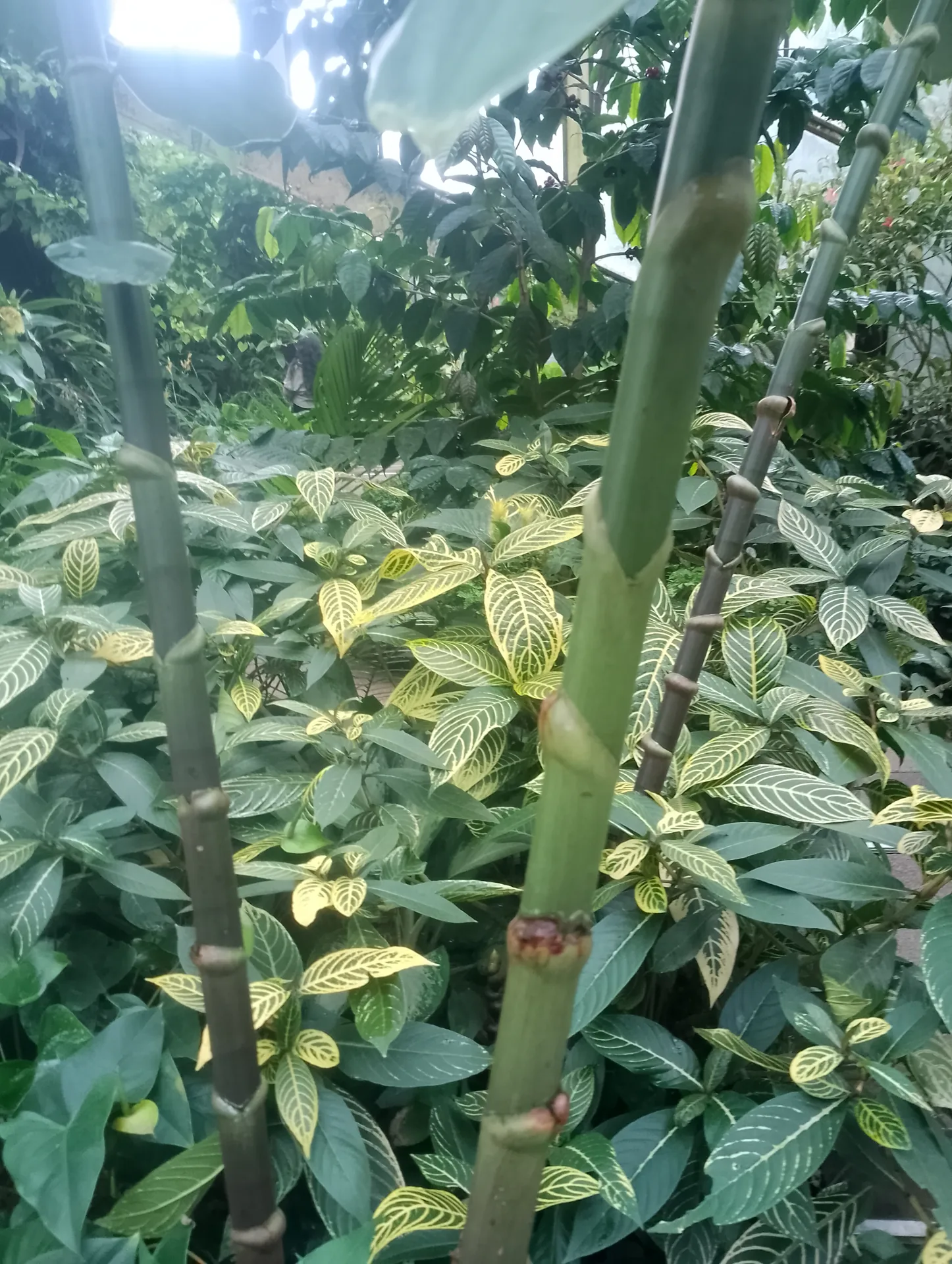
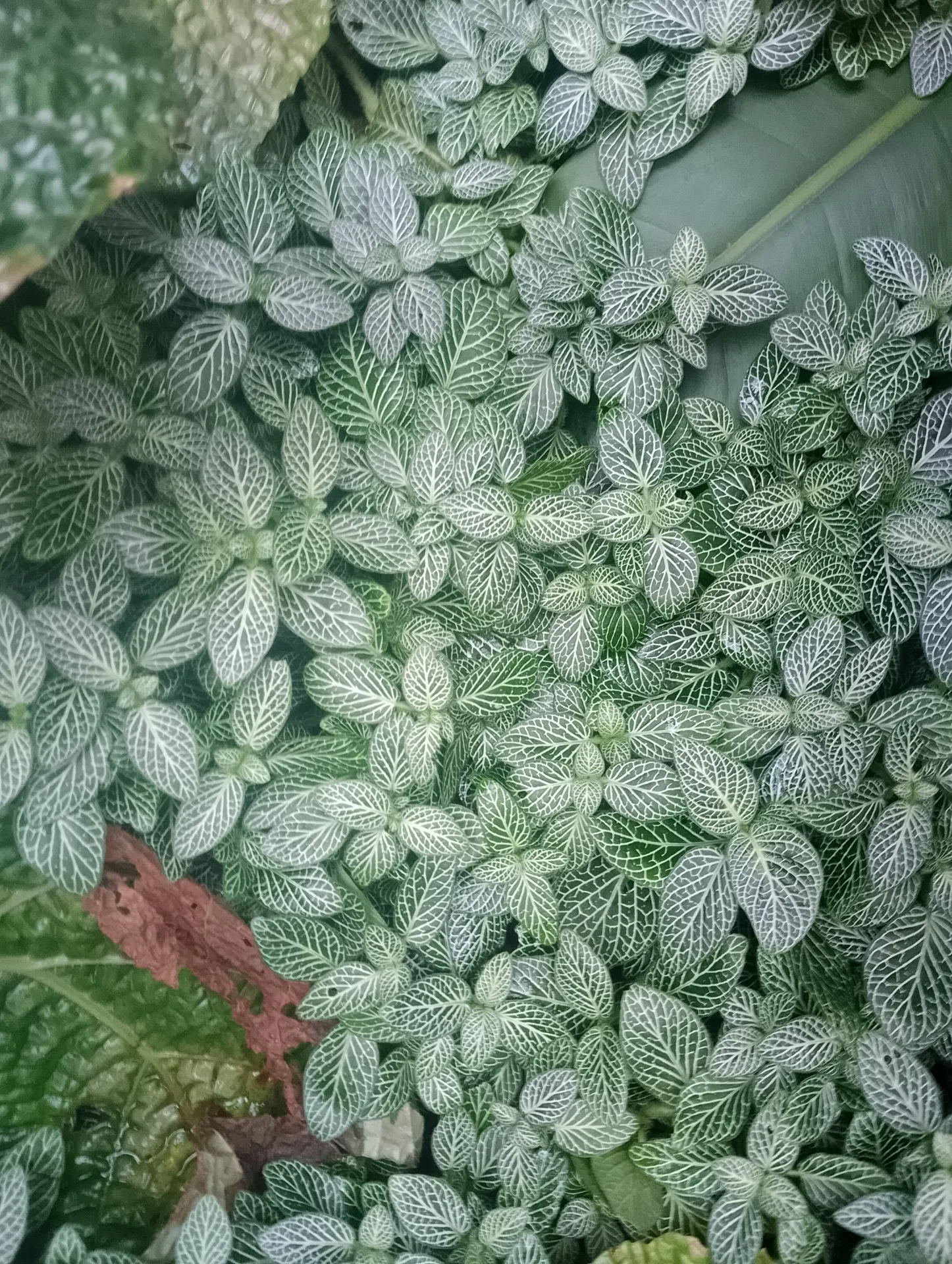
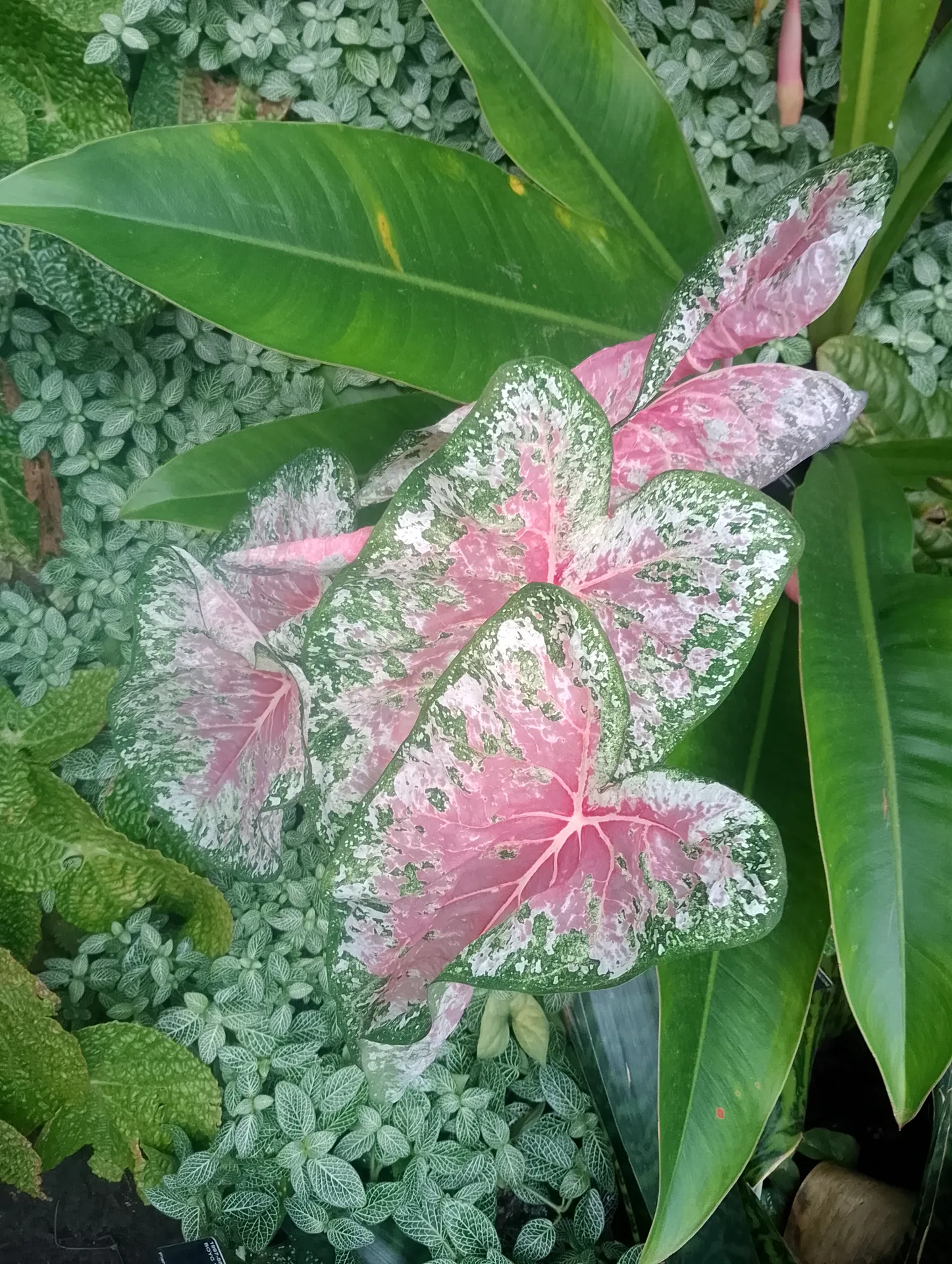
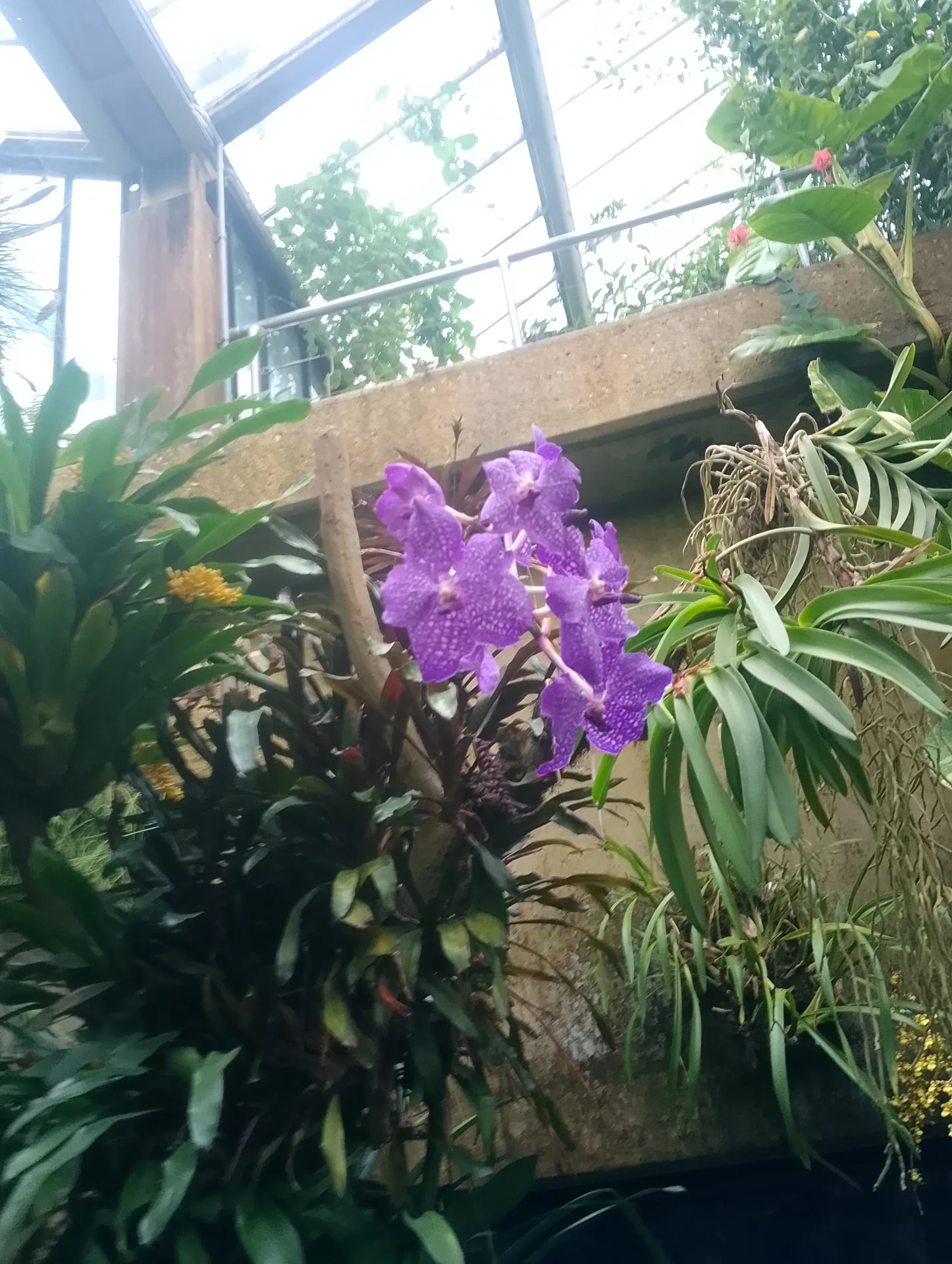
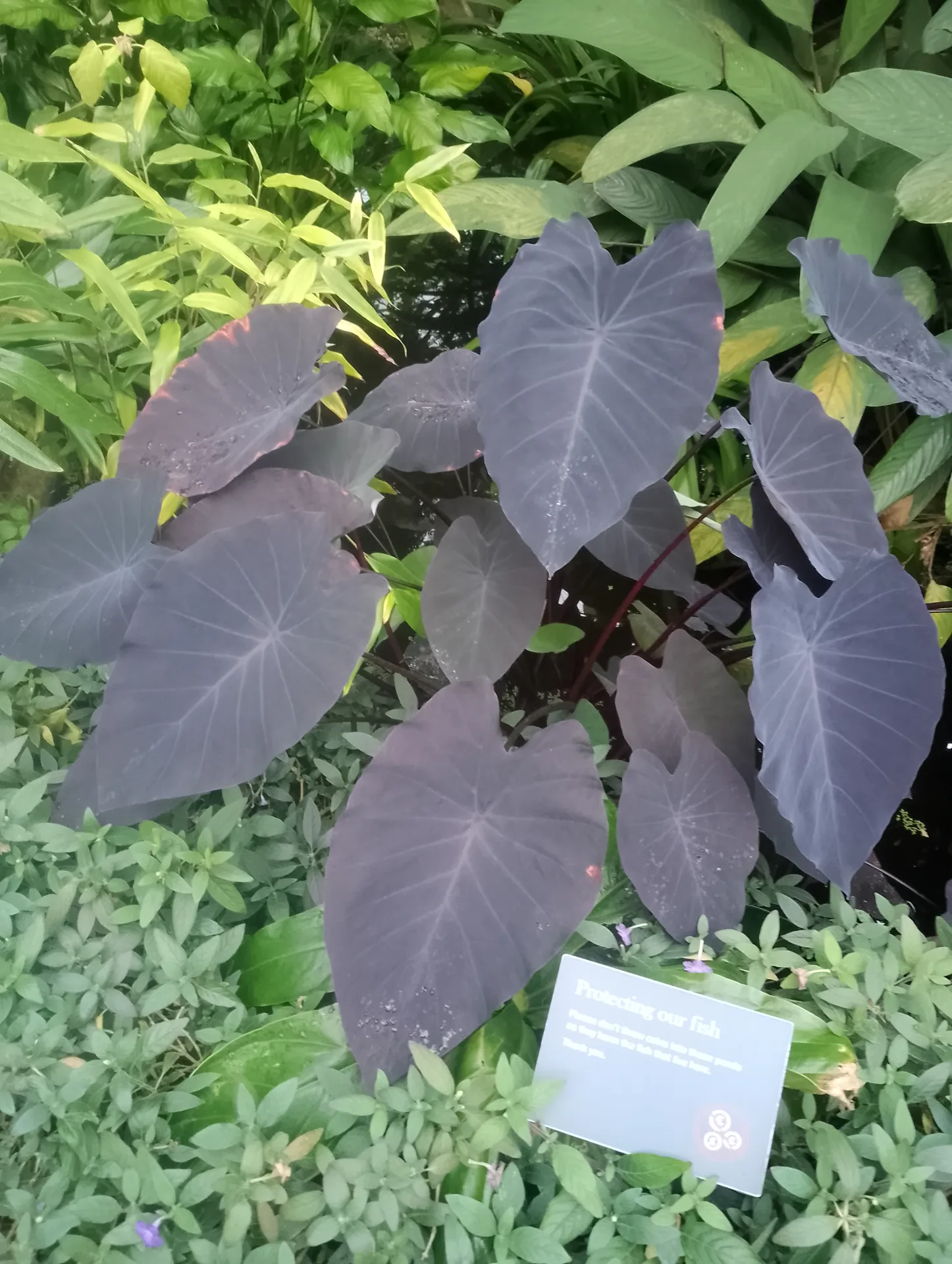
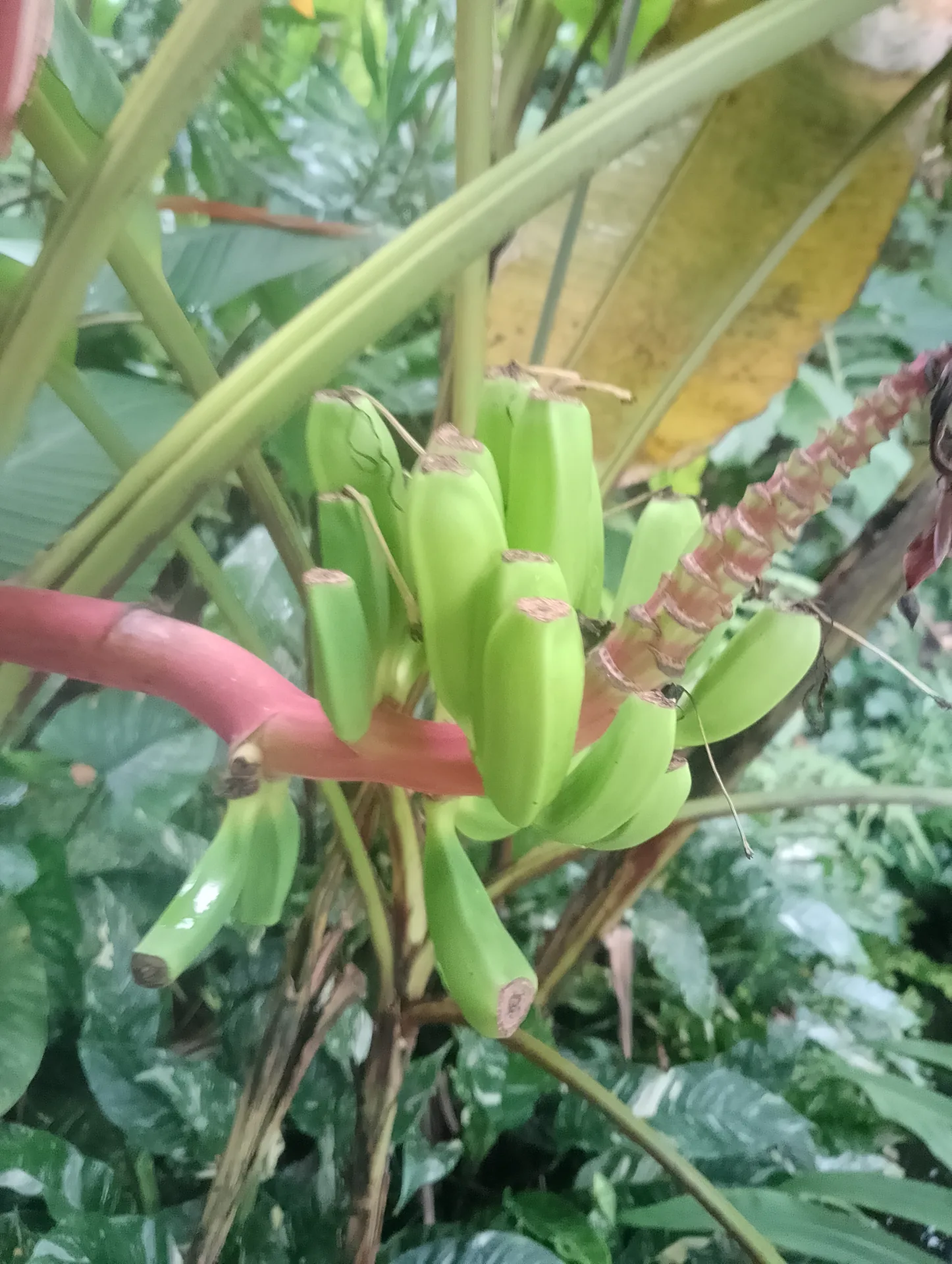
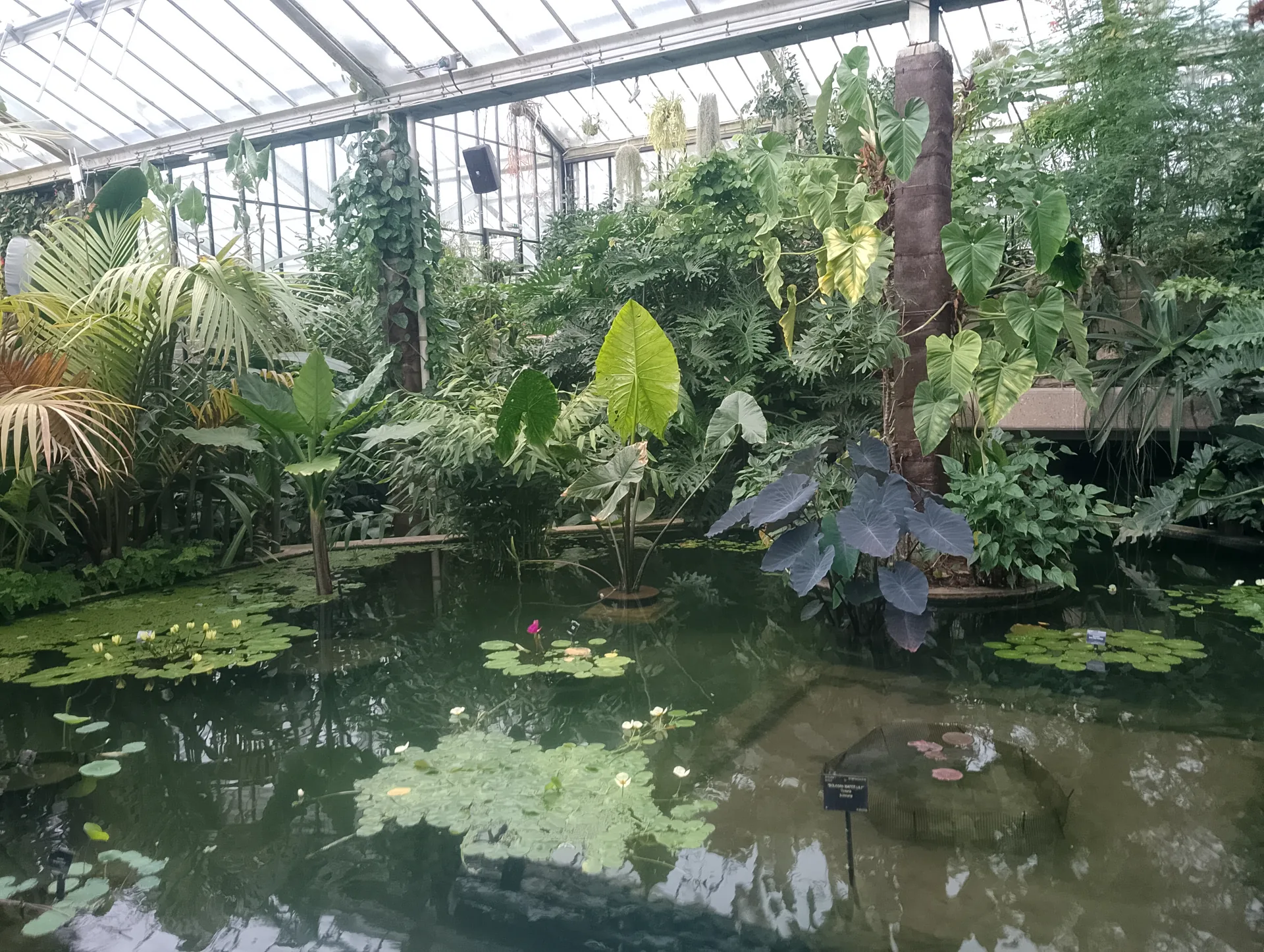
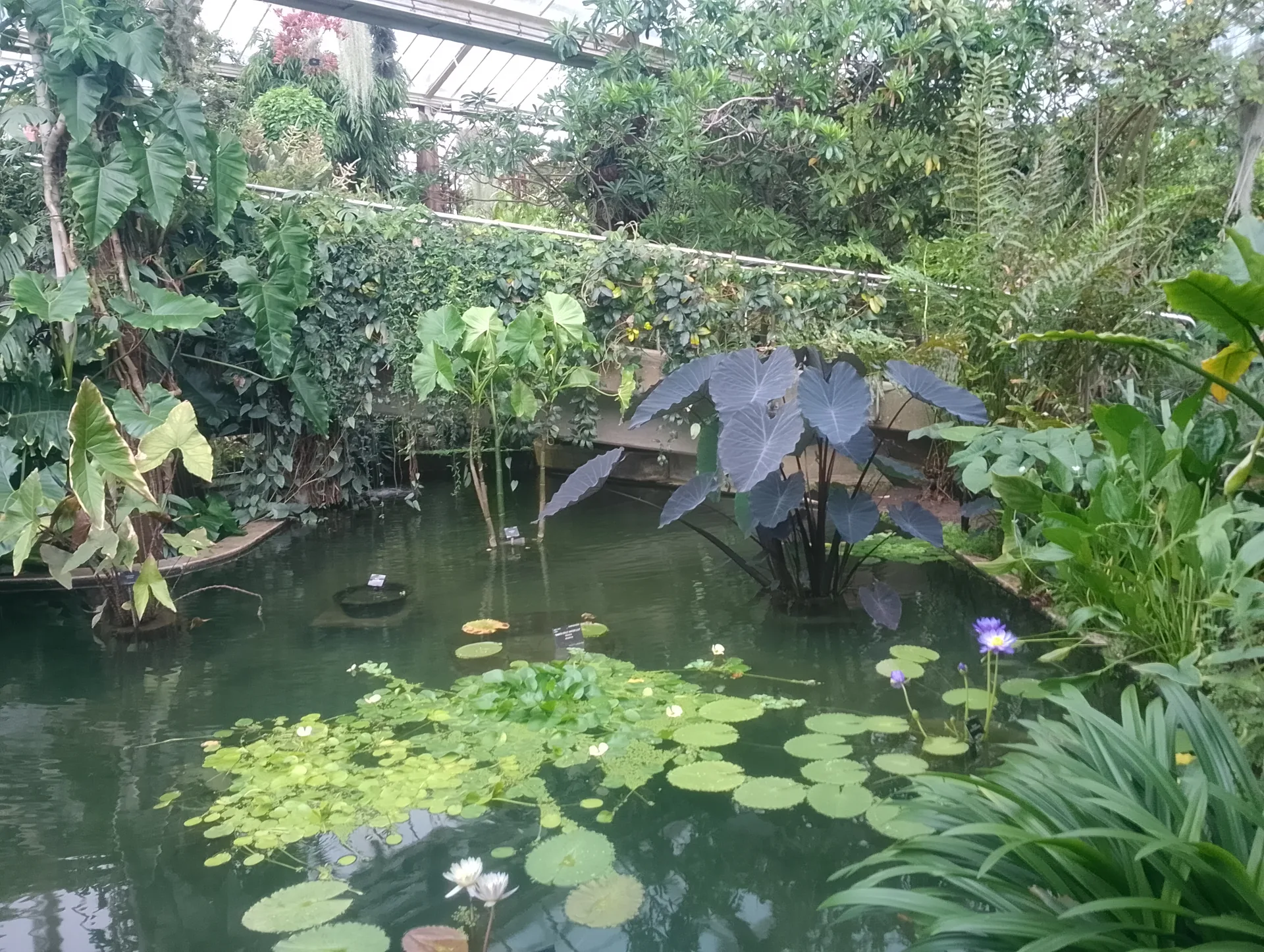
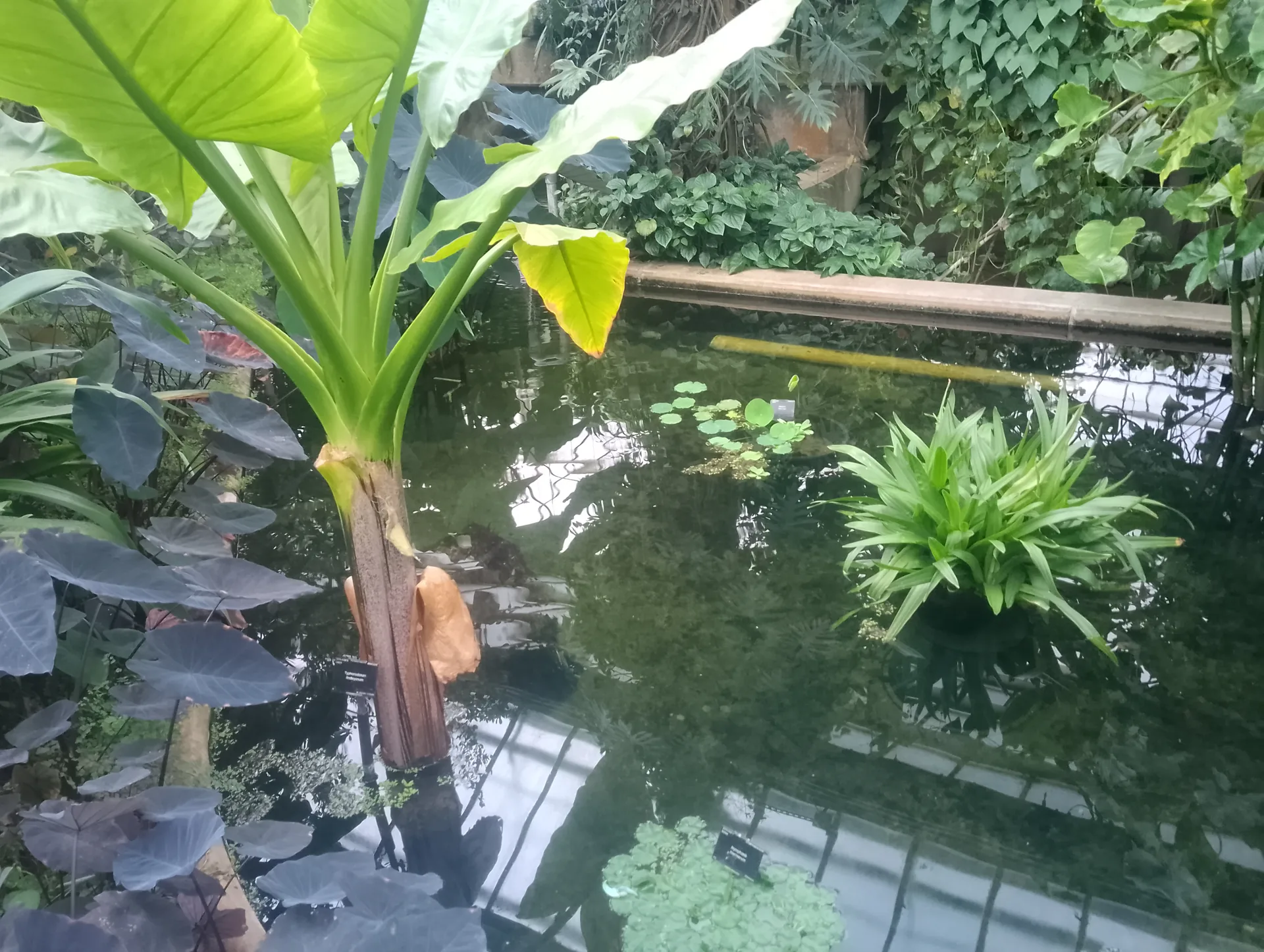
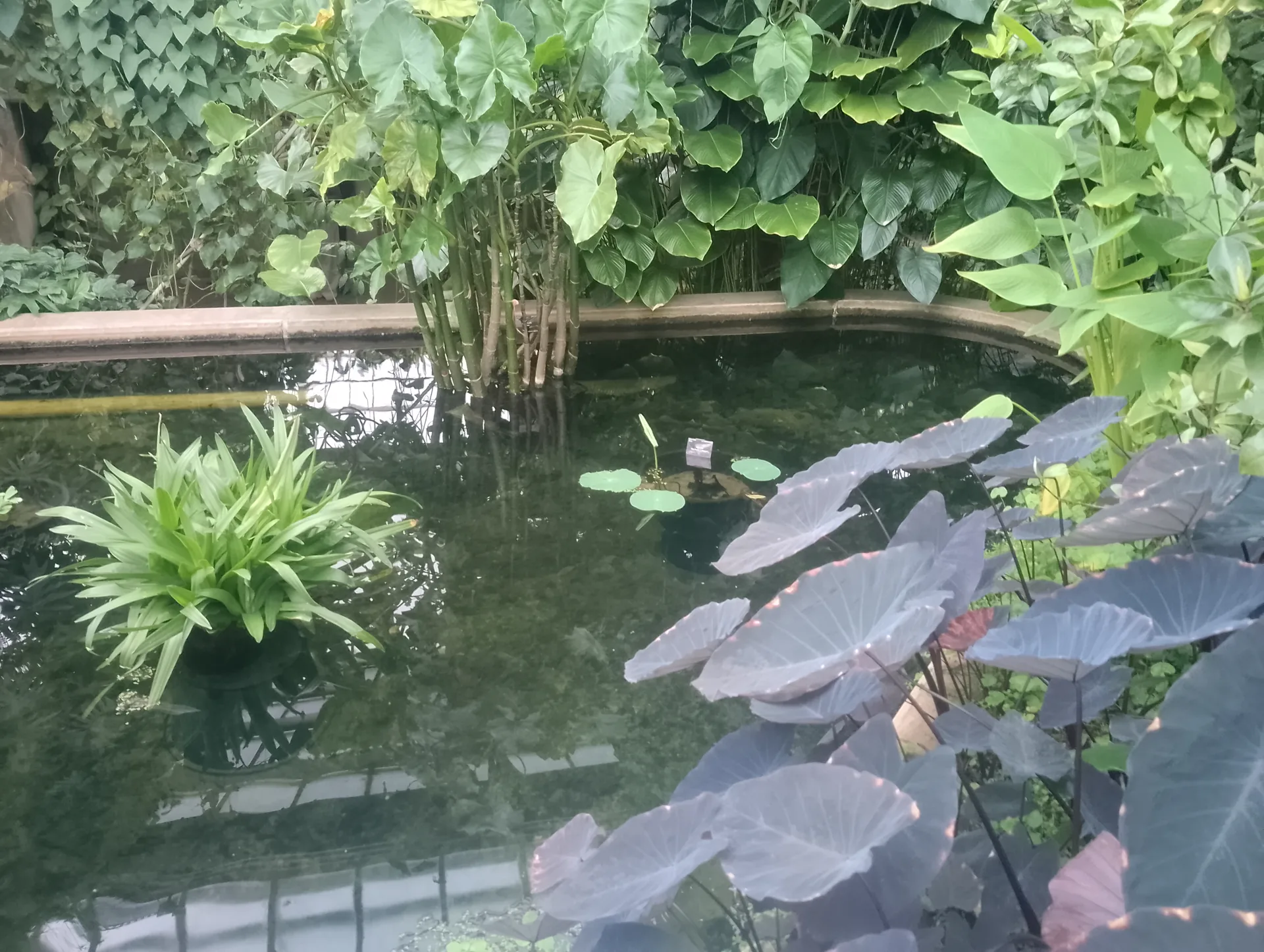
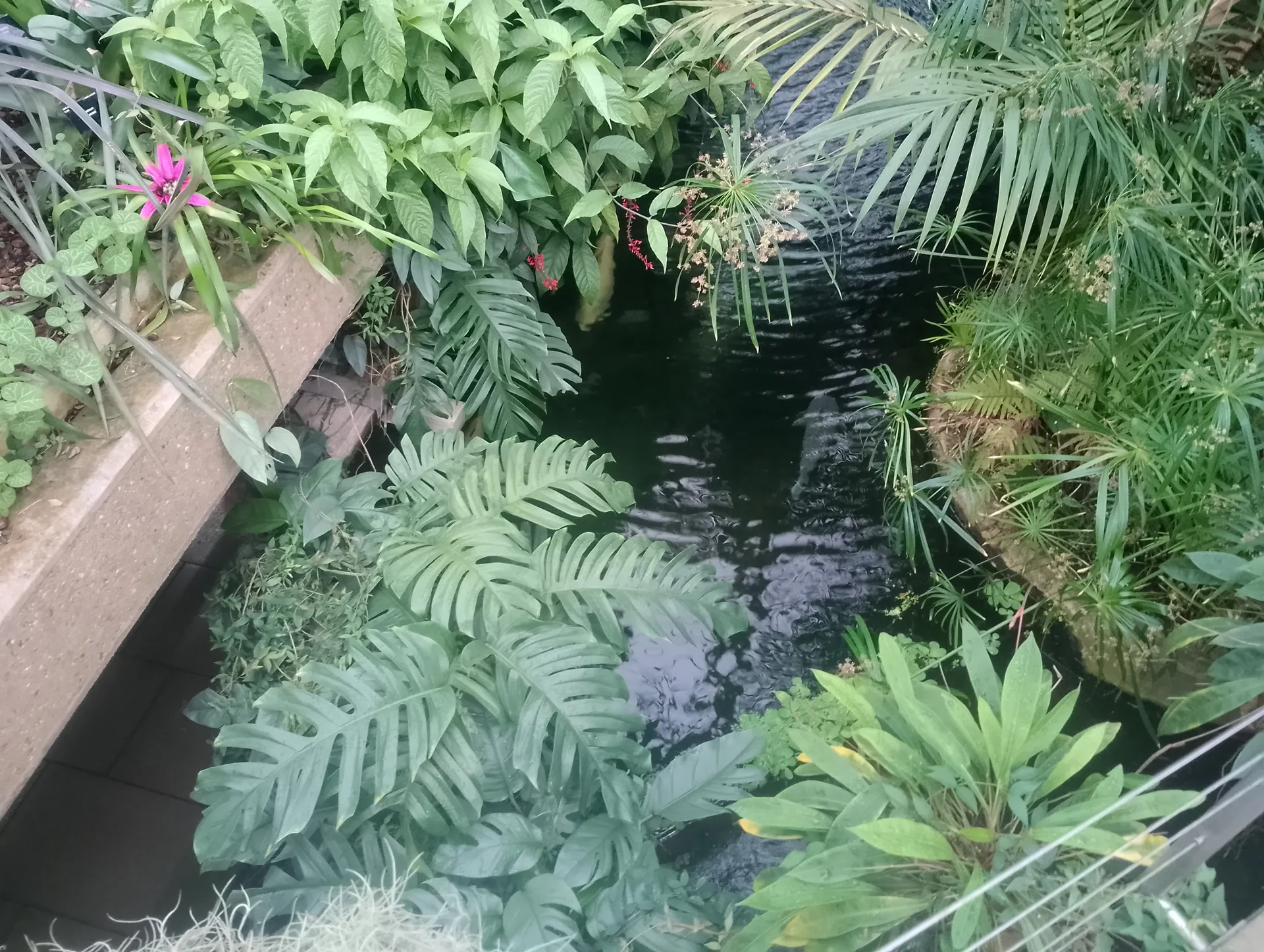
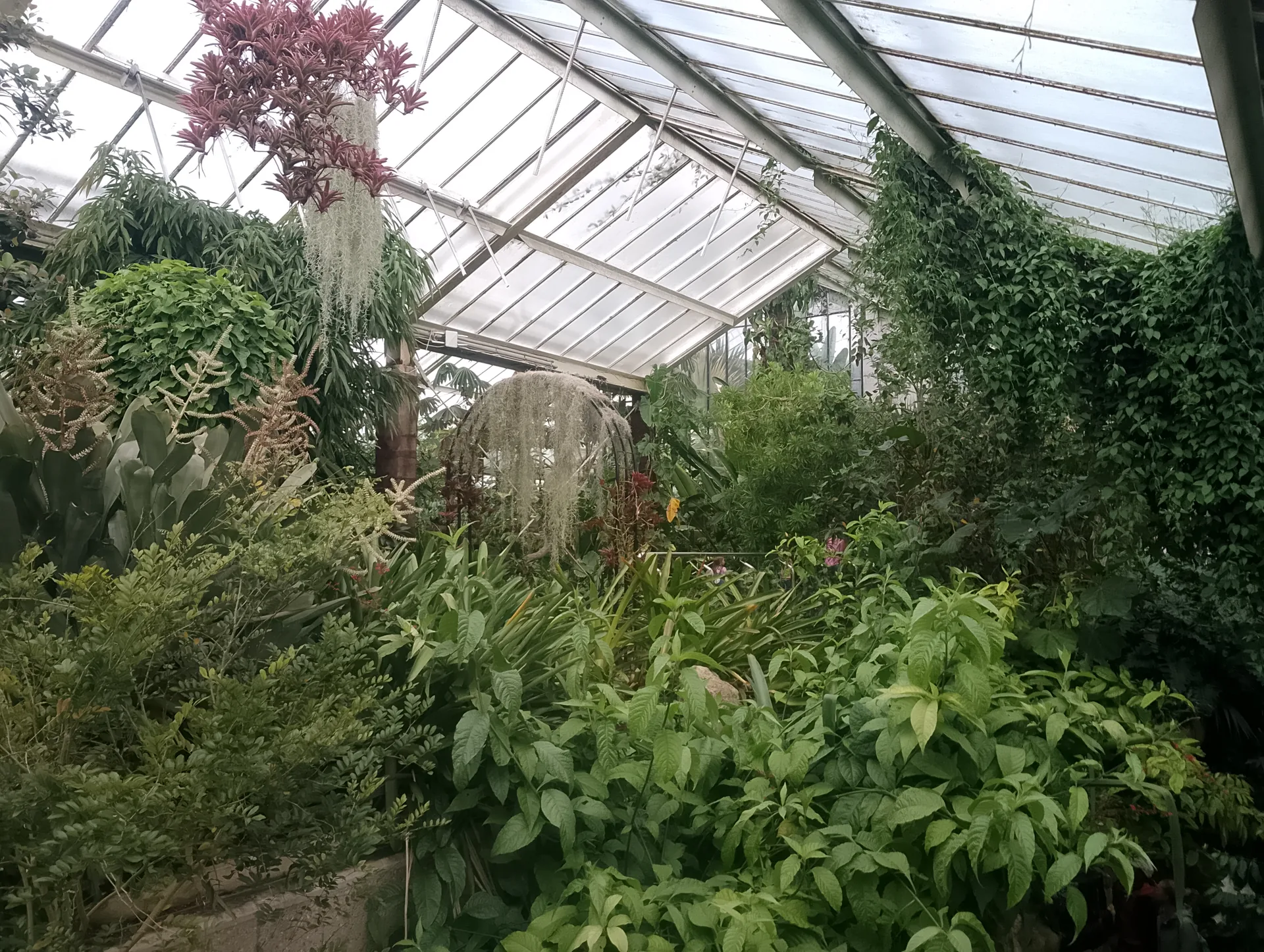
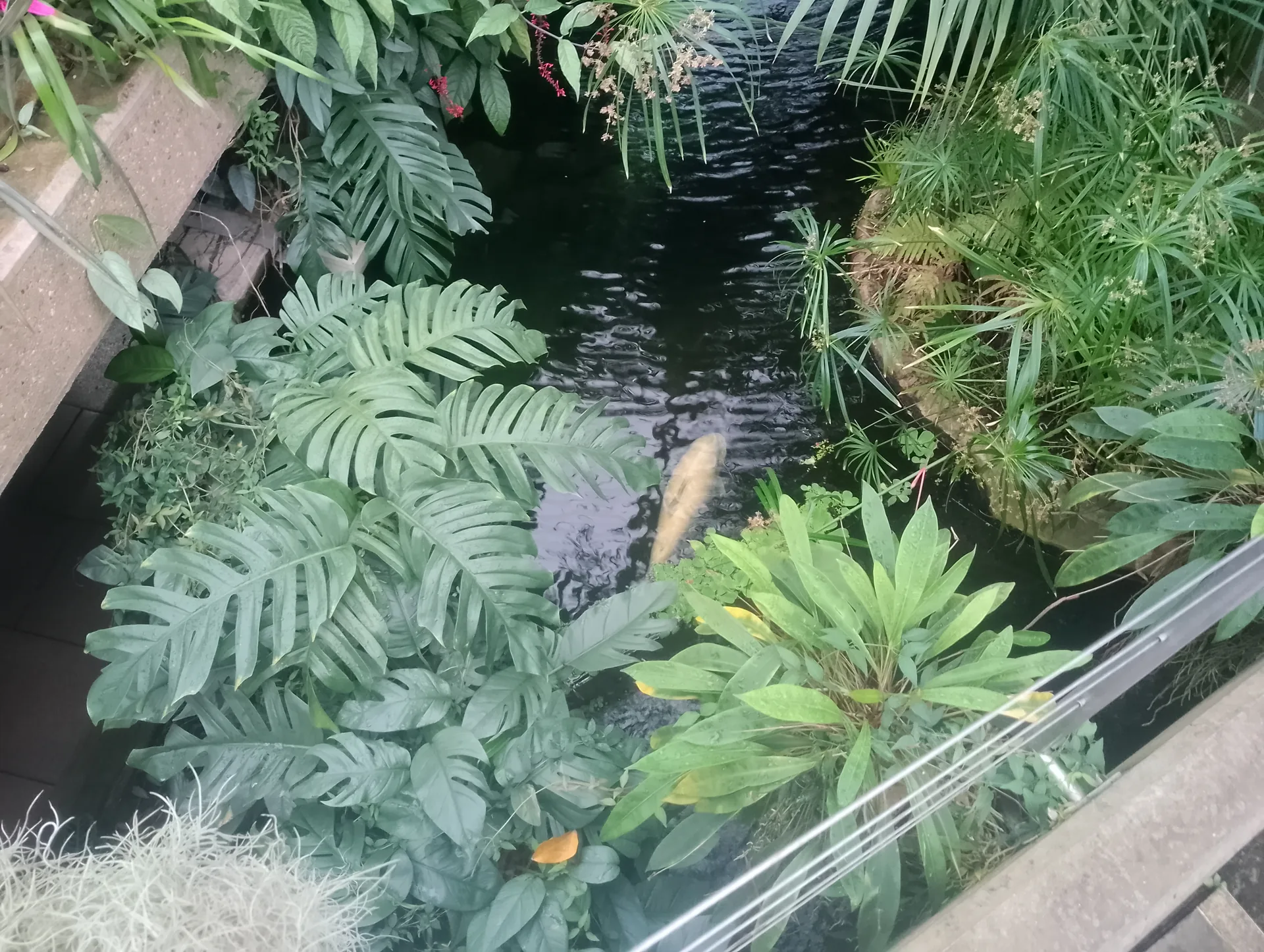
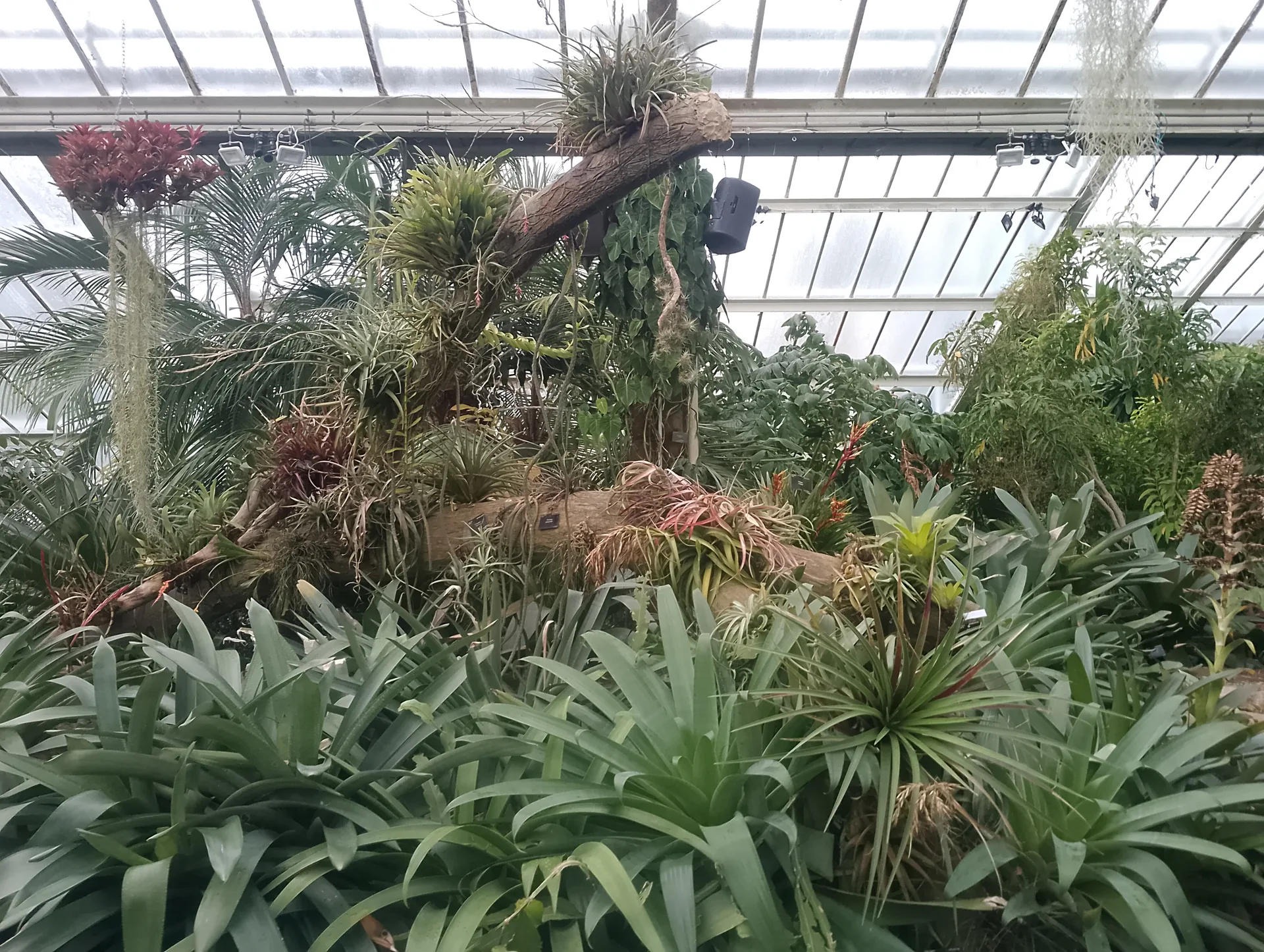
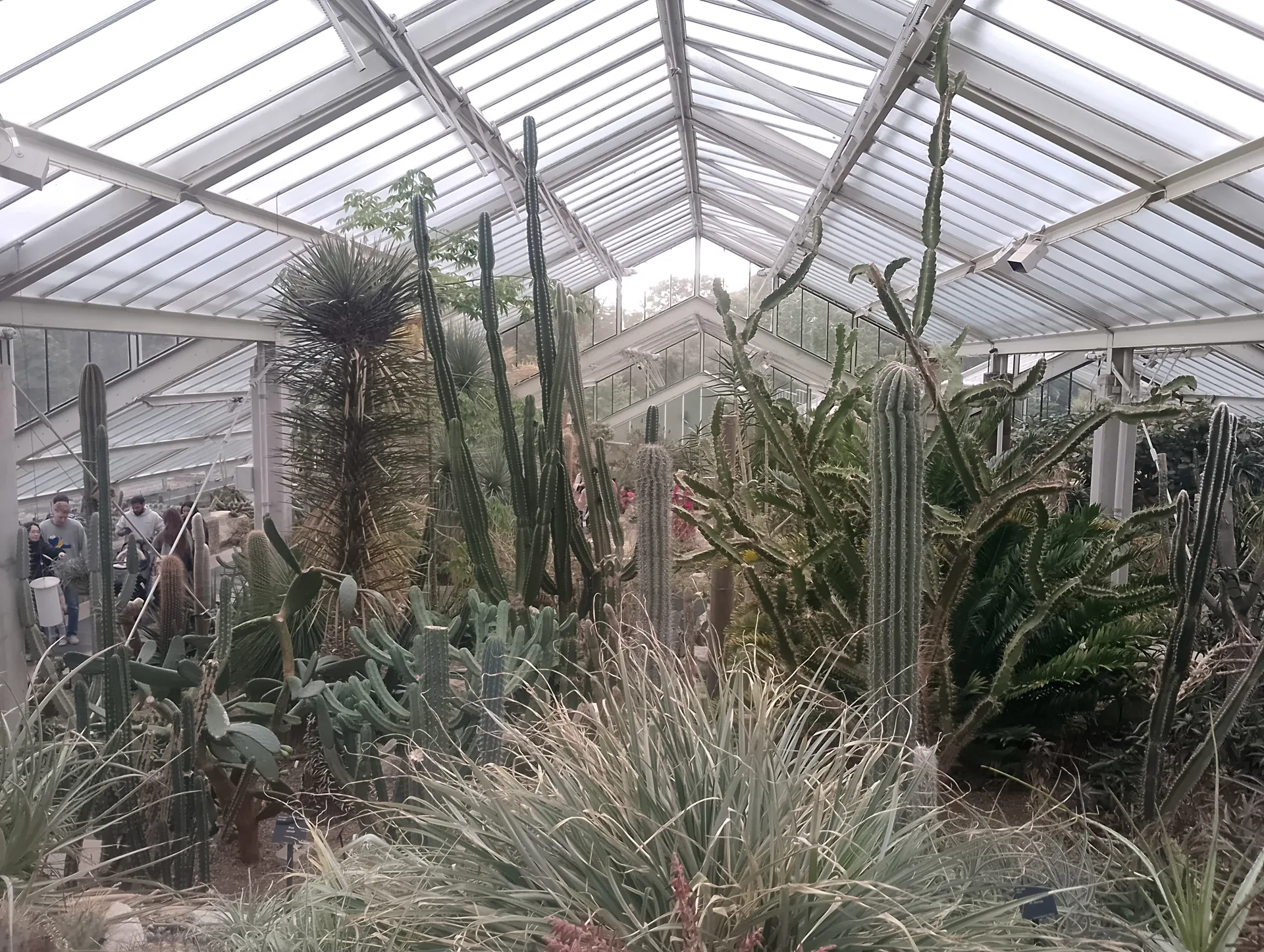
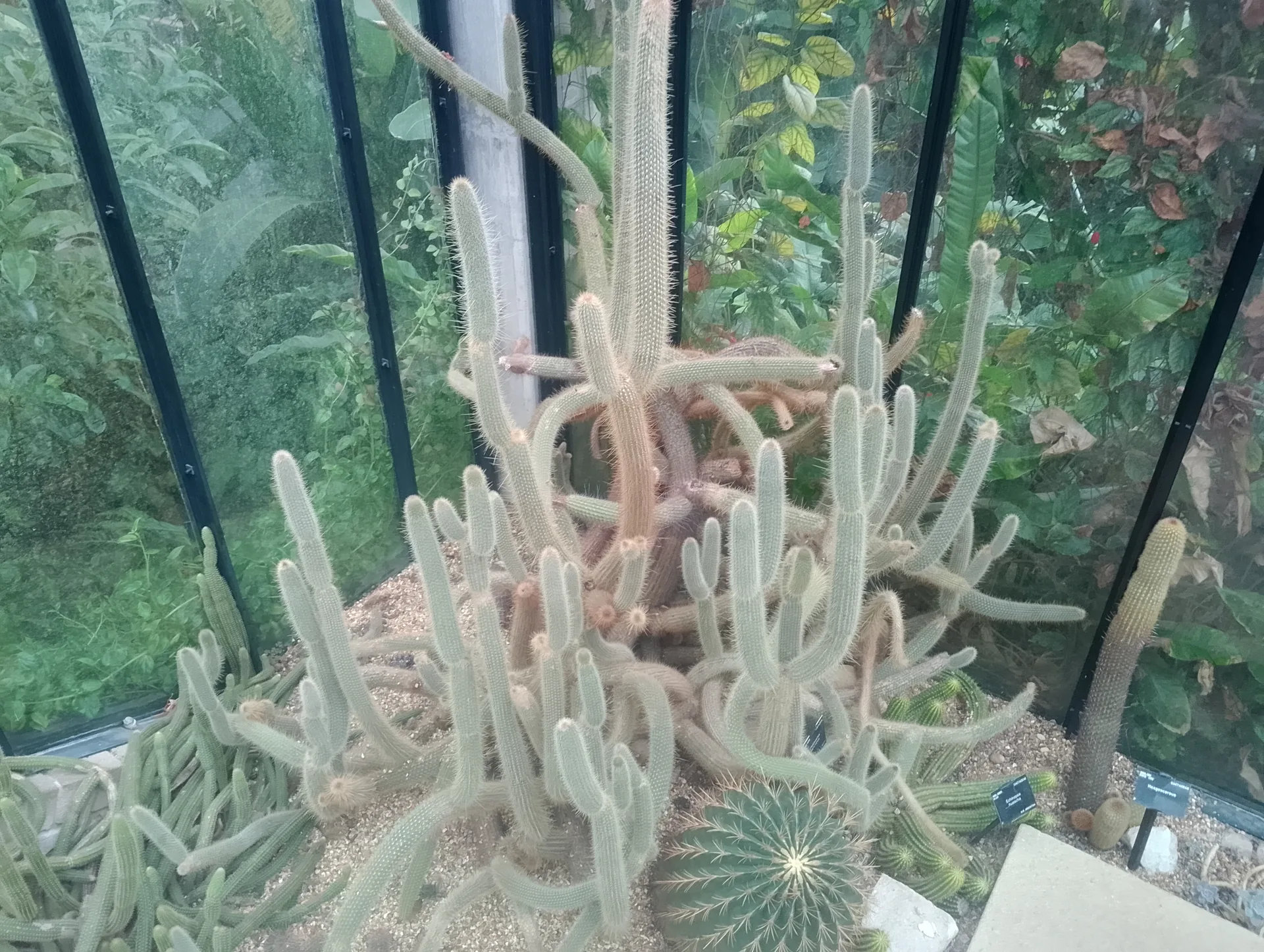
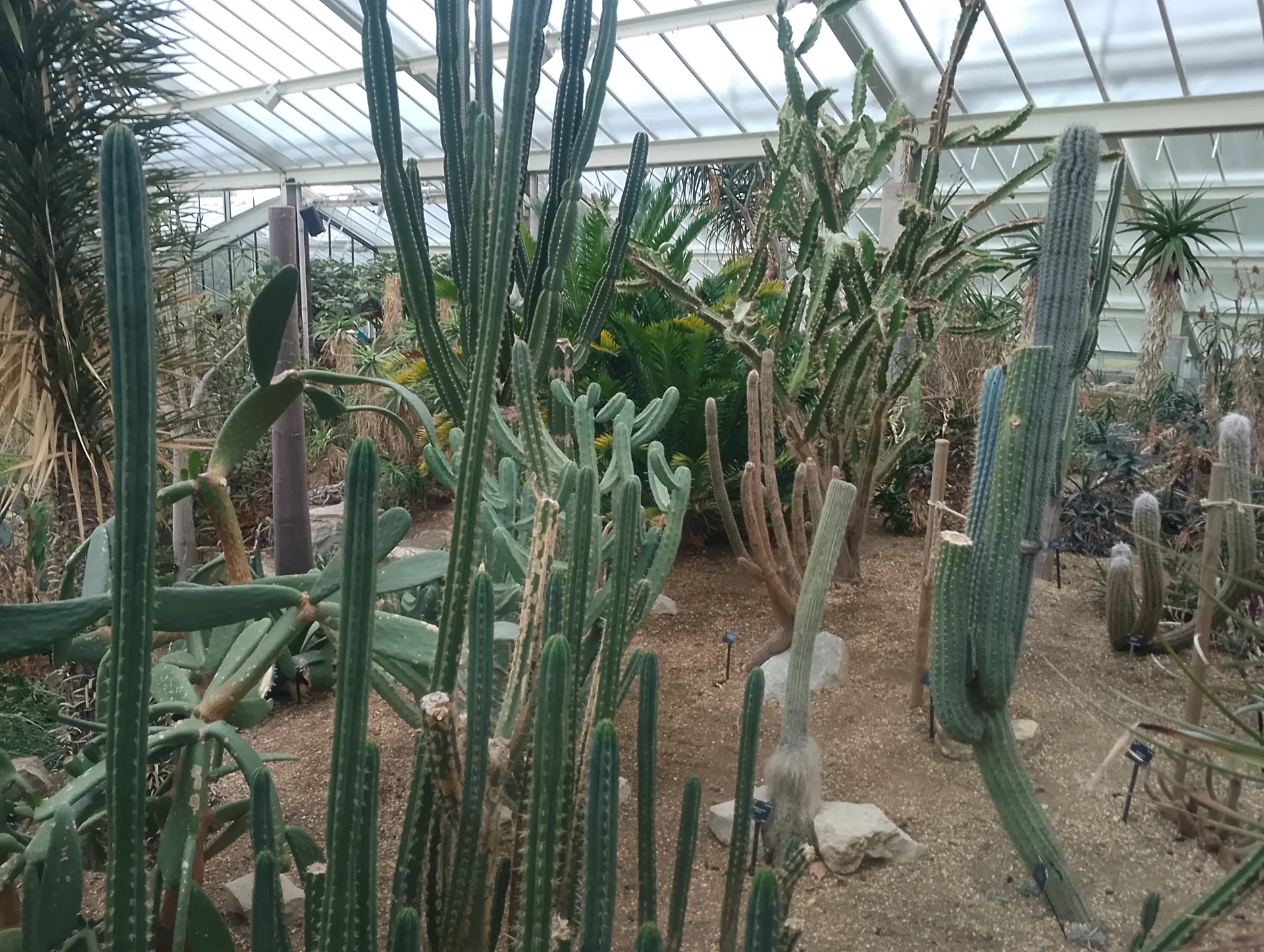
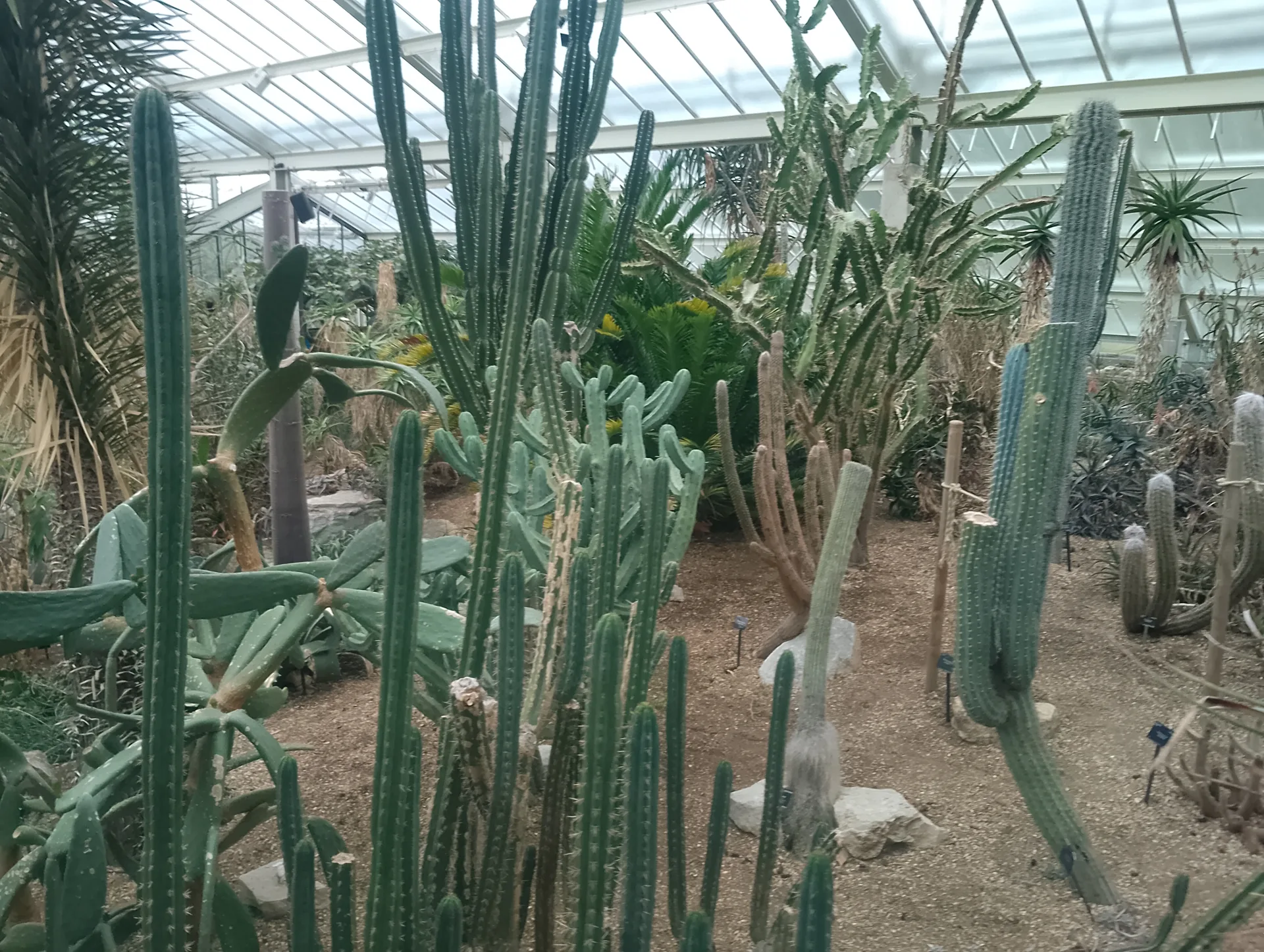
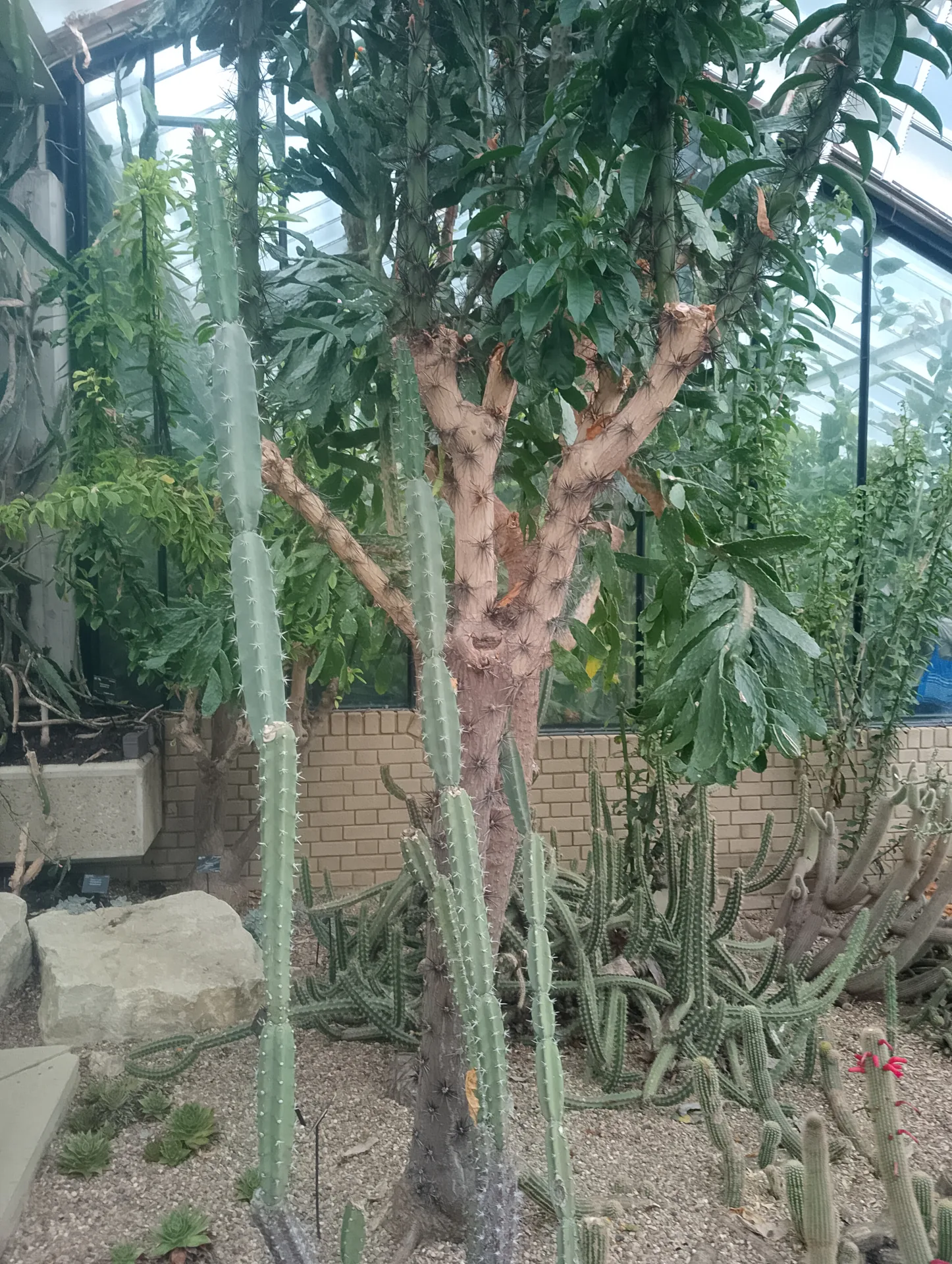
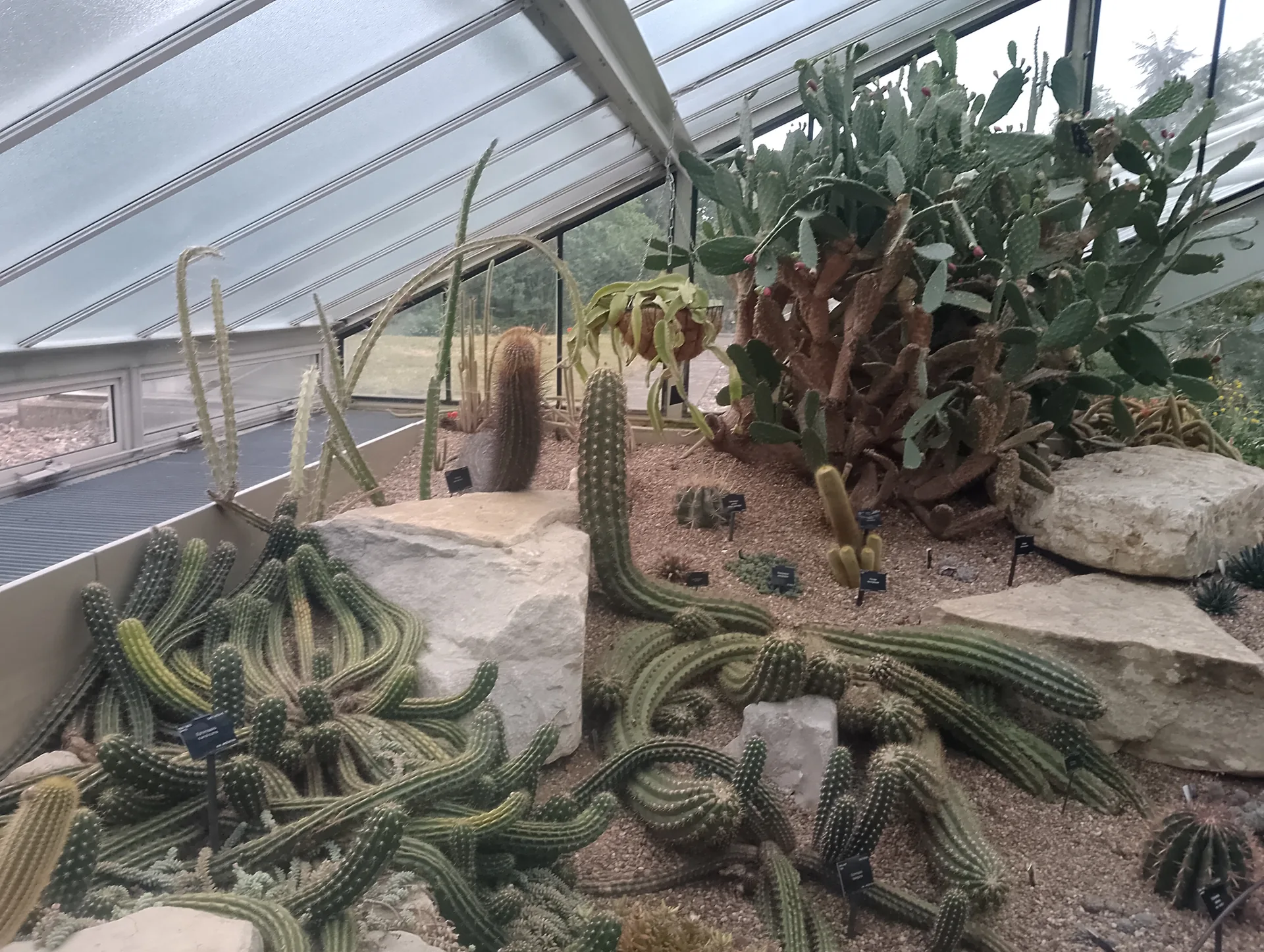
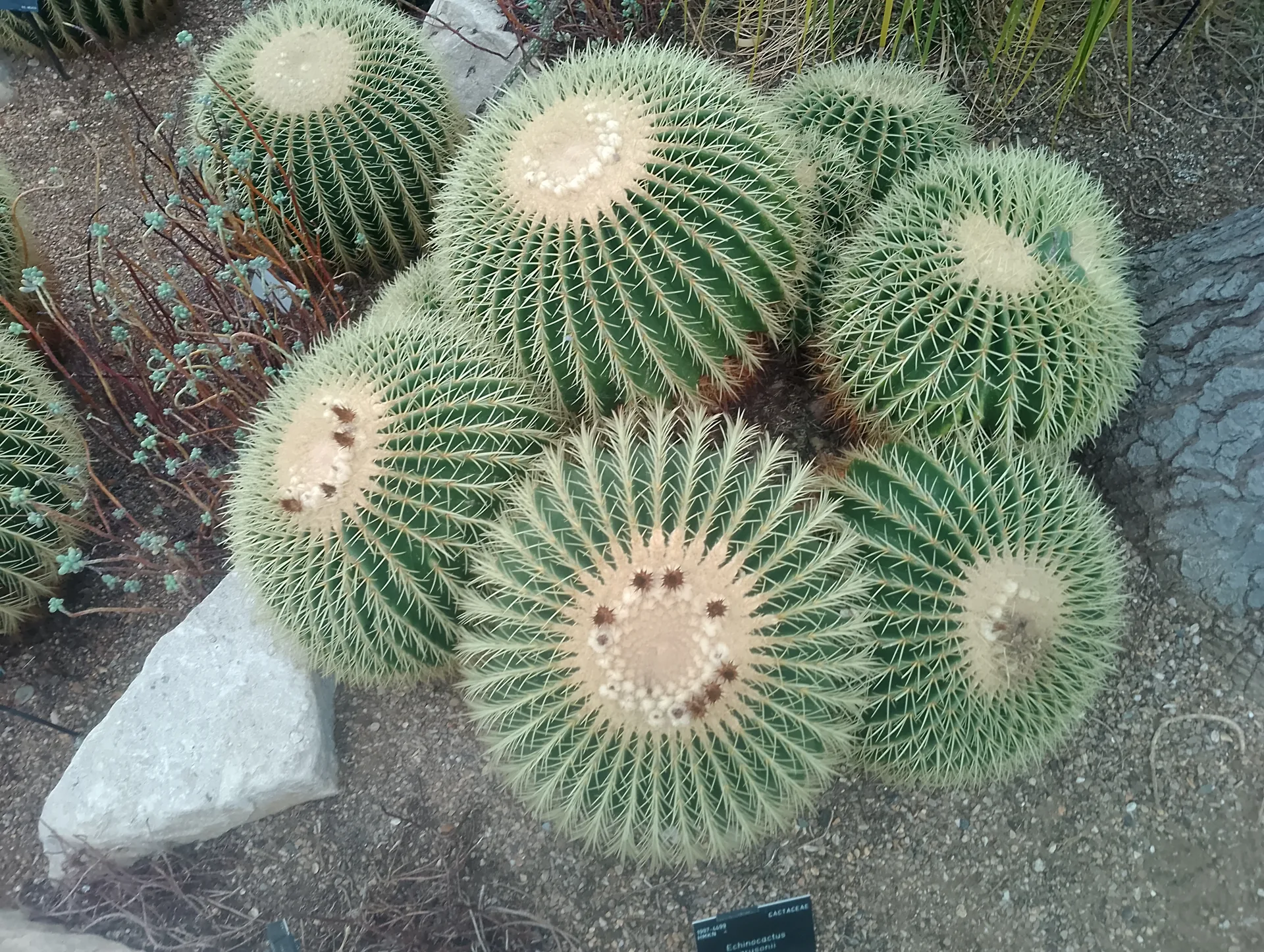
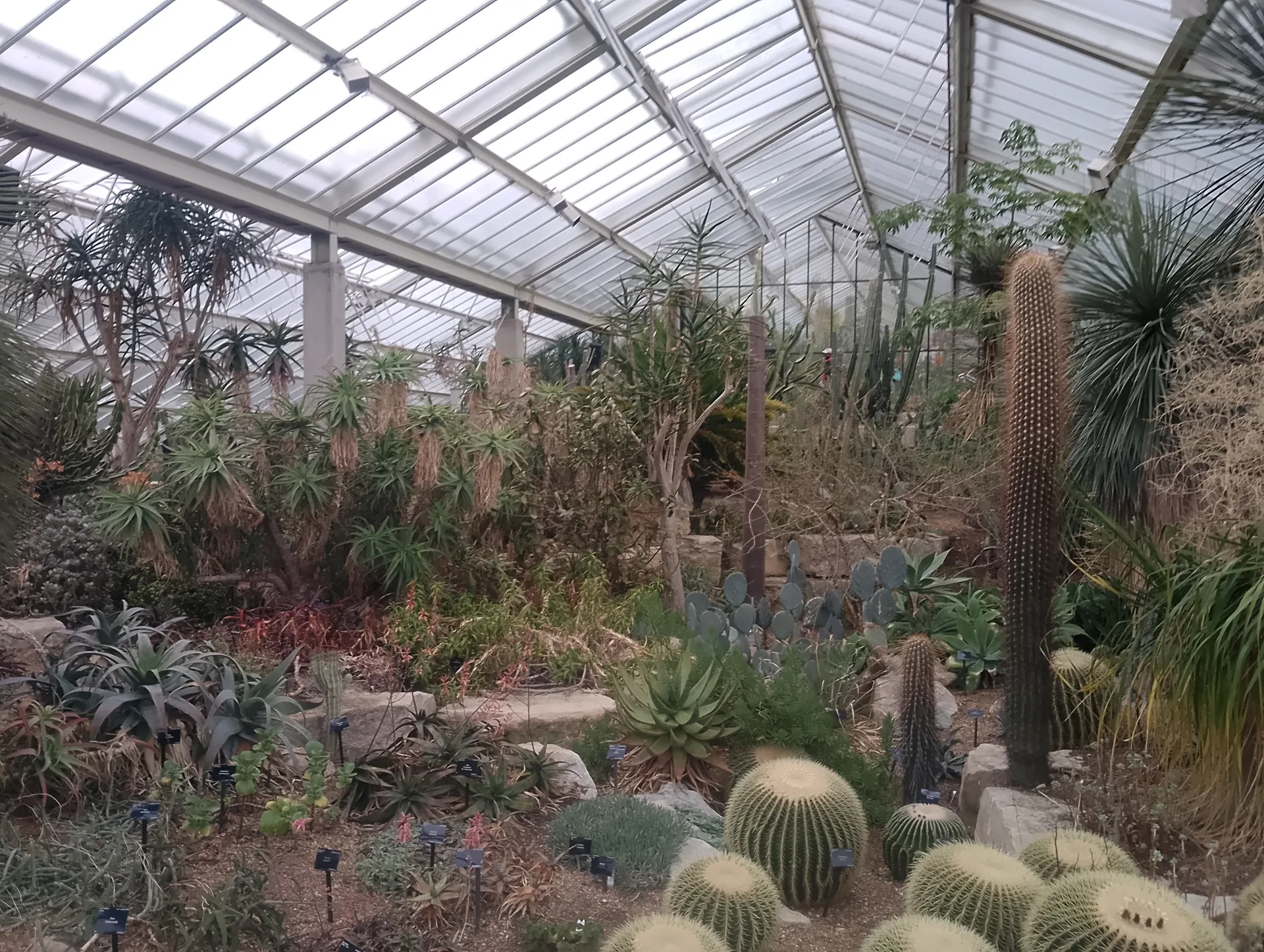
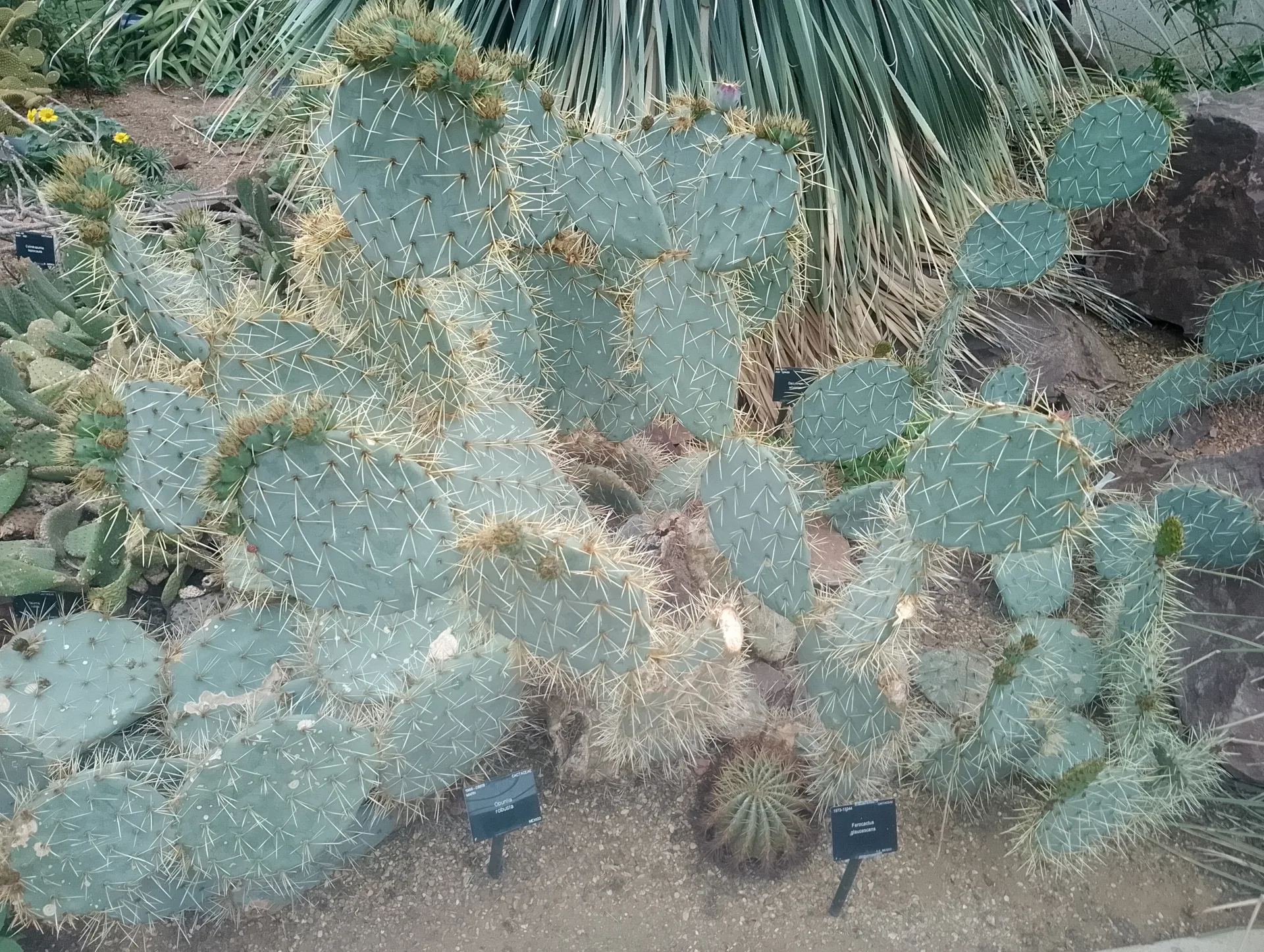
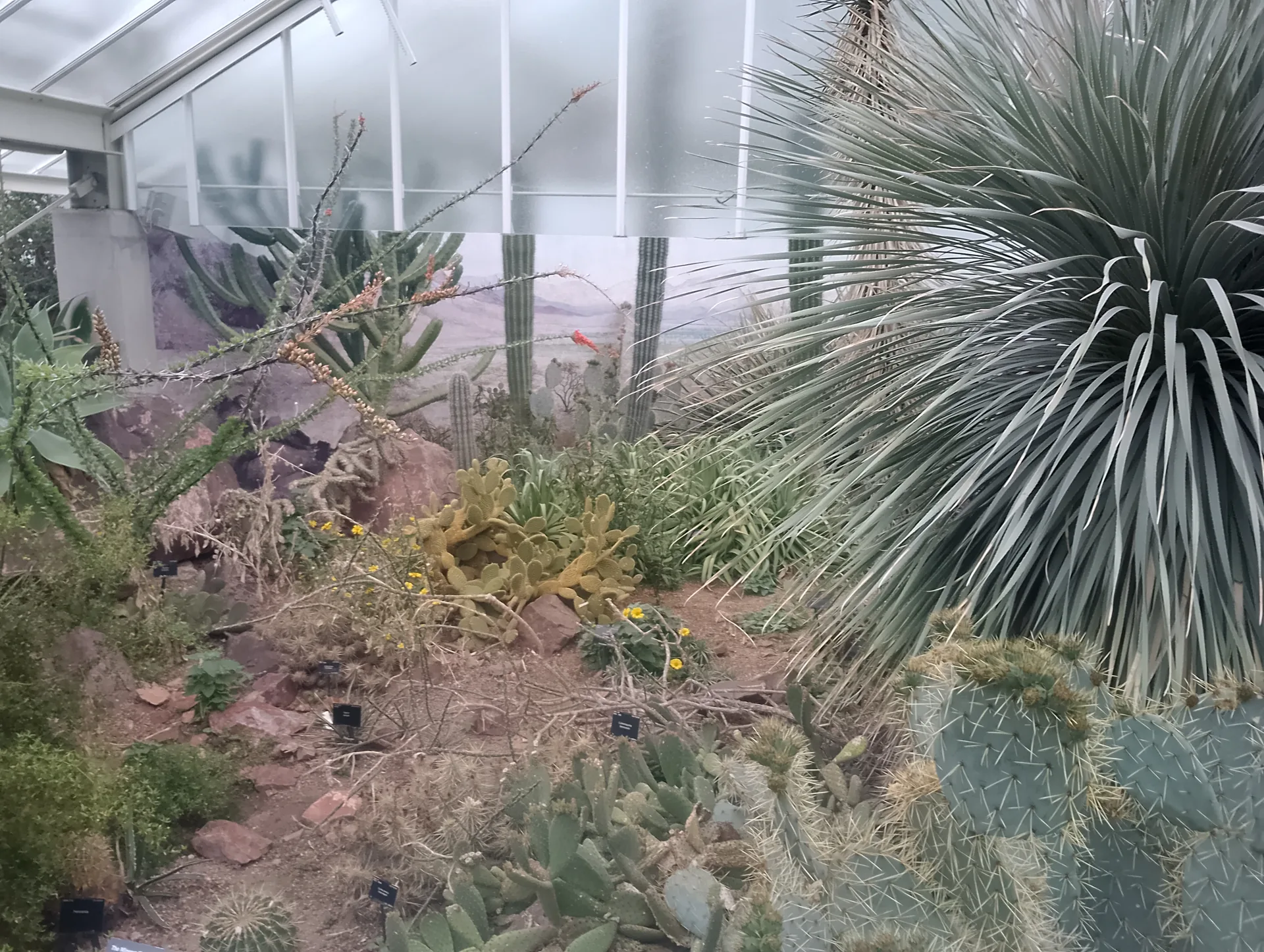
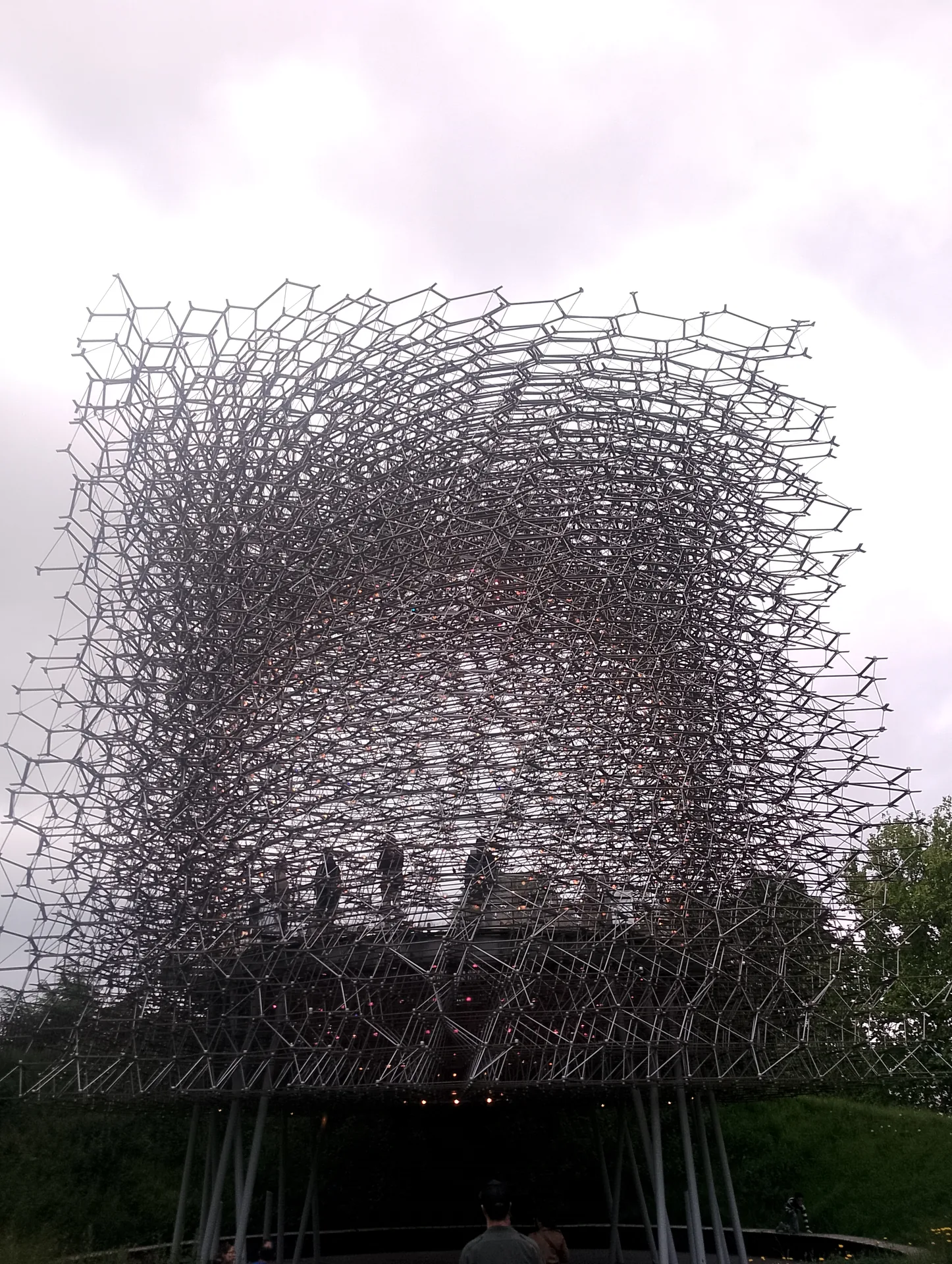
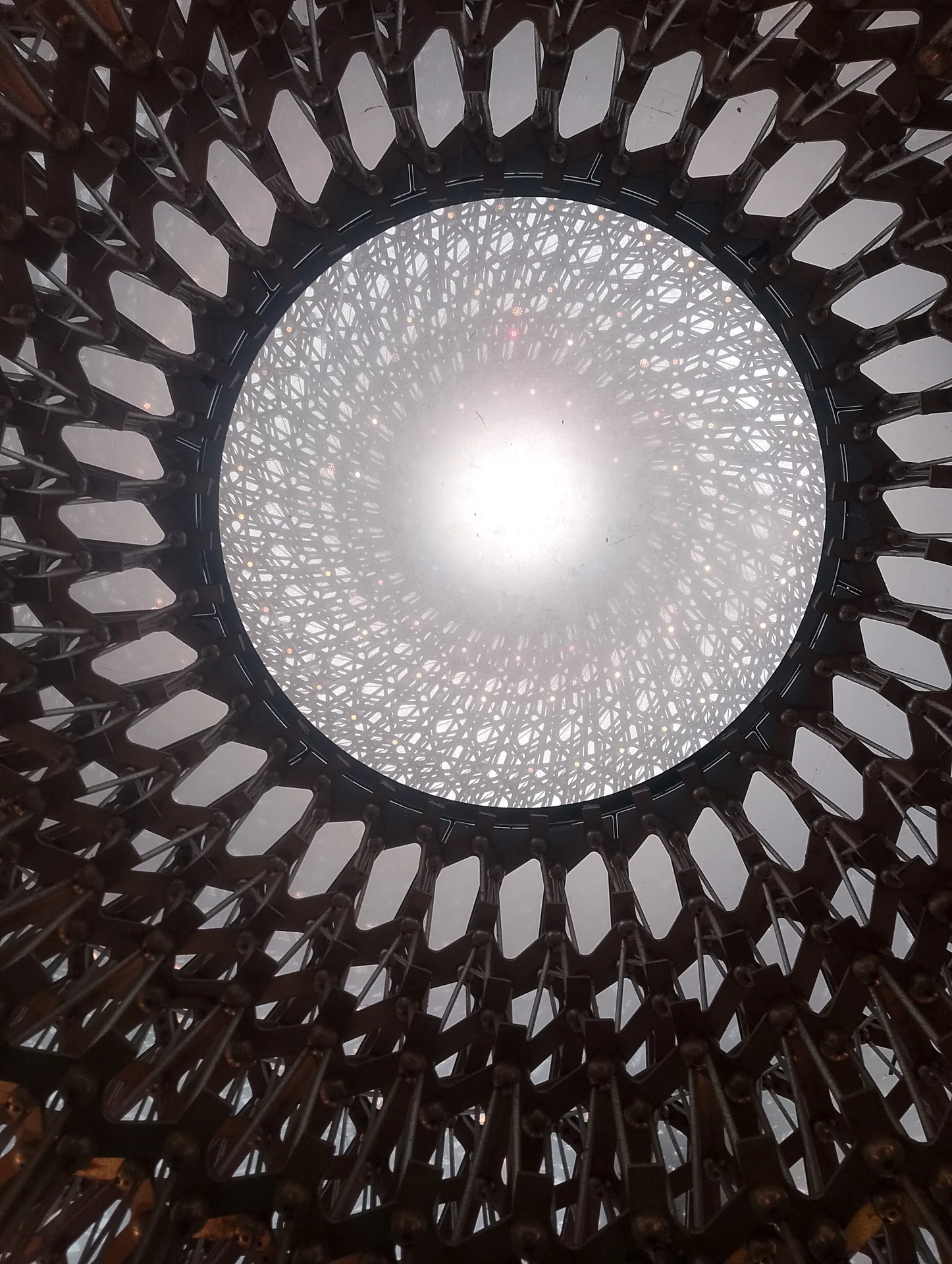
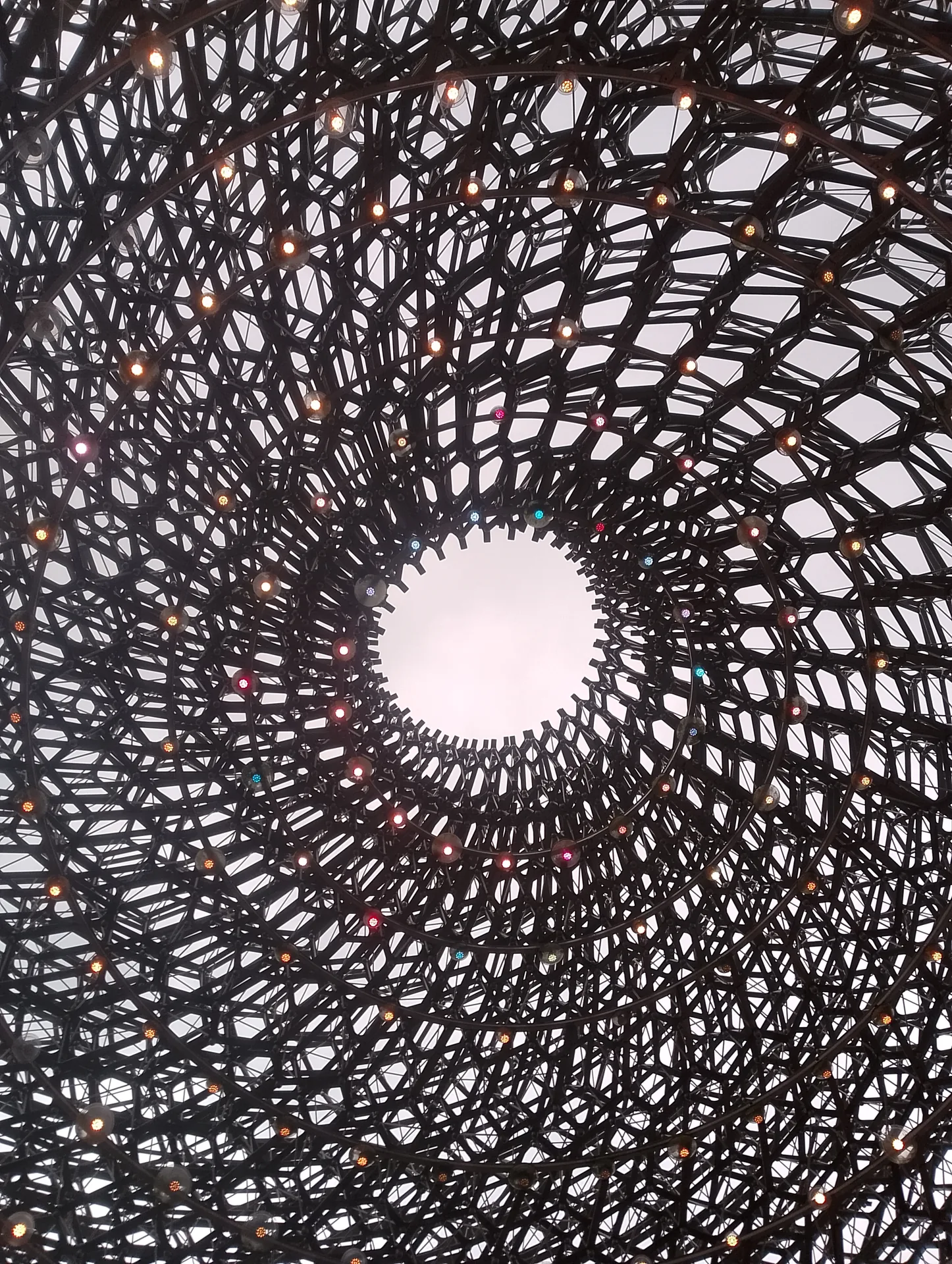
We move onwards towards the Hive, a structure made of asymmetrical hexagons, with lights and sounds tuned to the frequency of C - at least according to the info section.
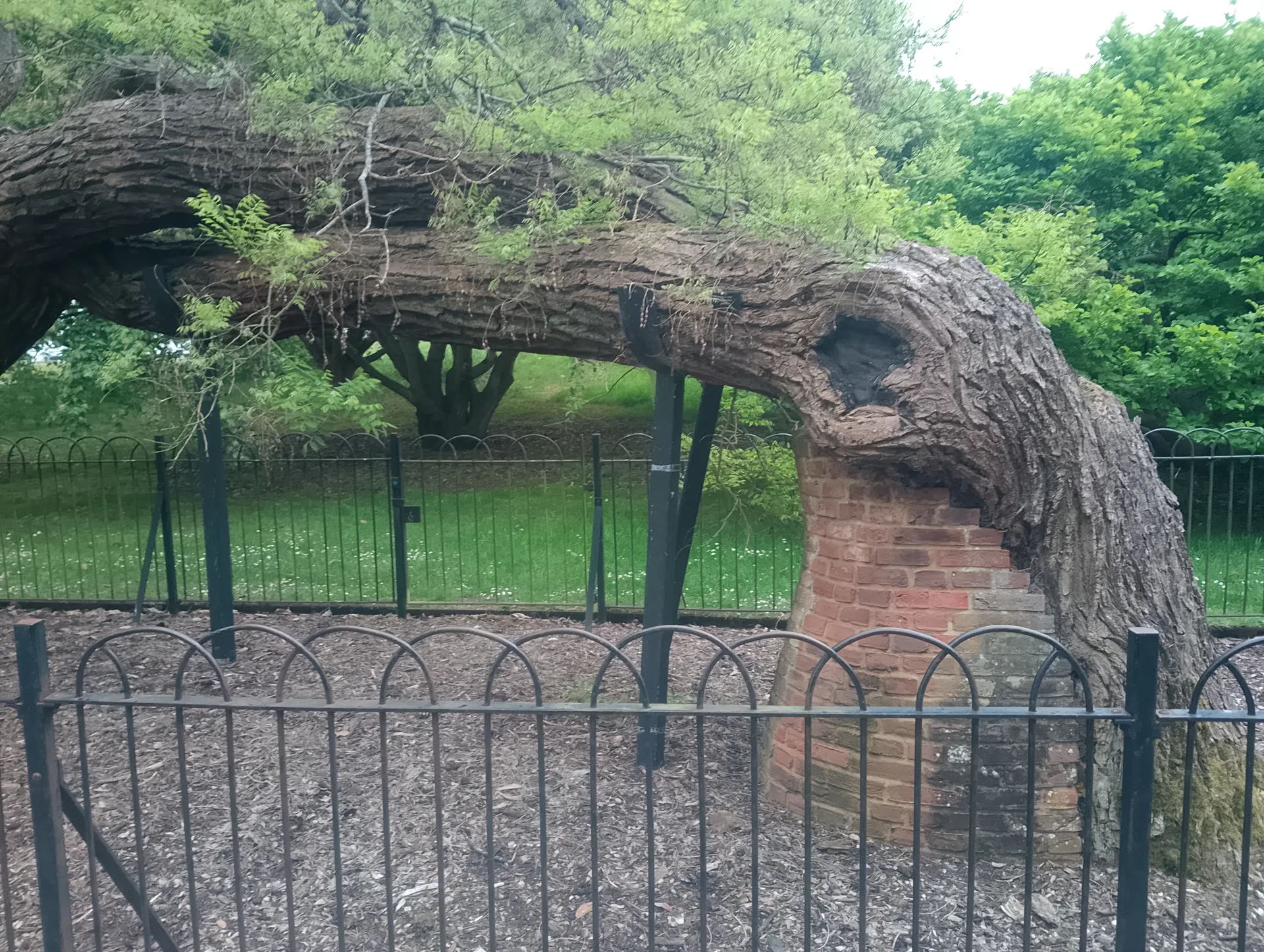
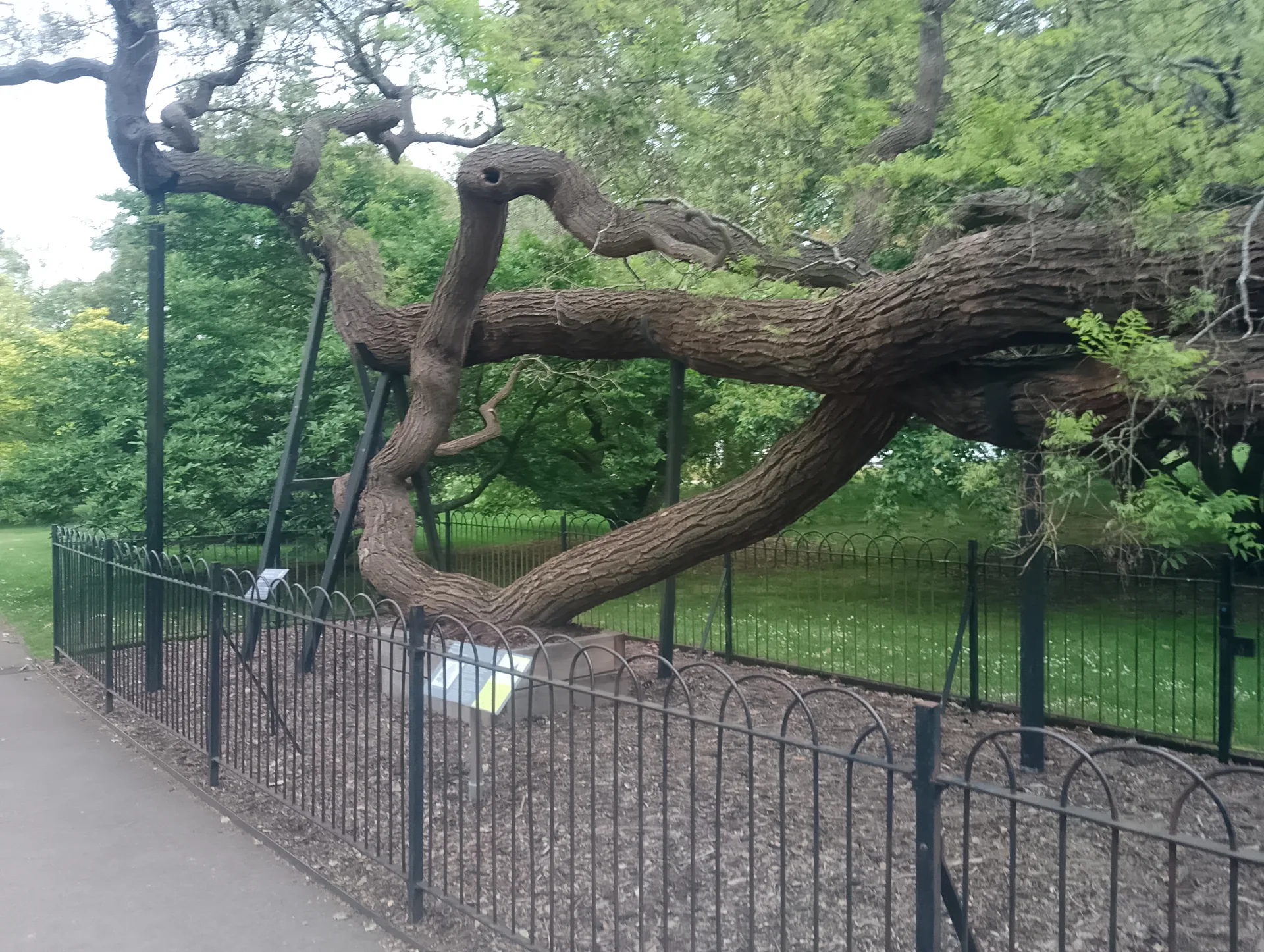
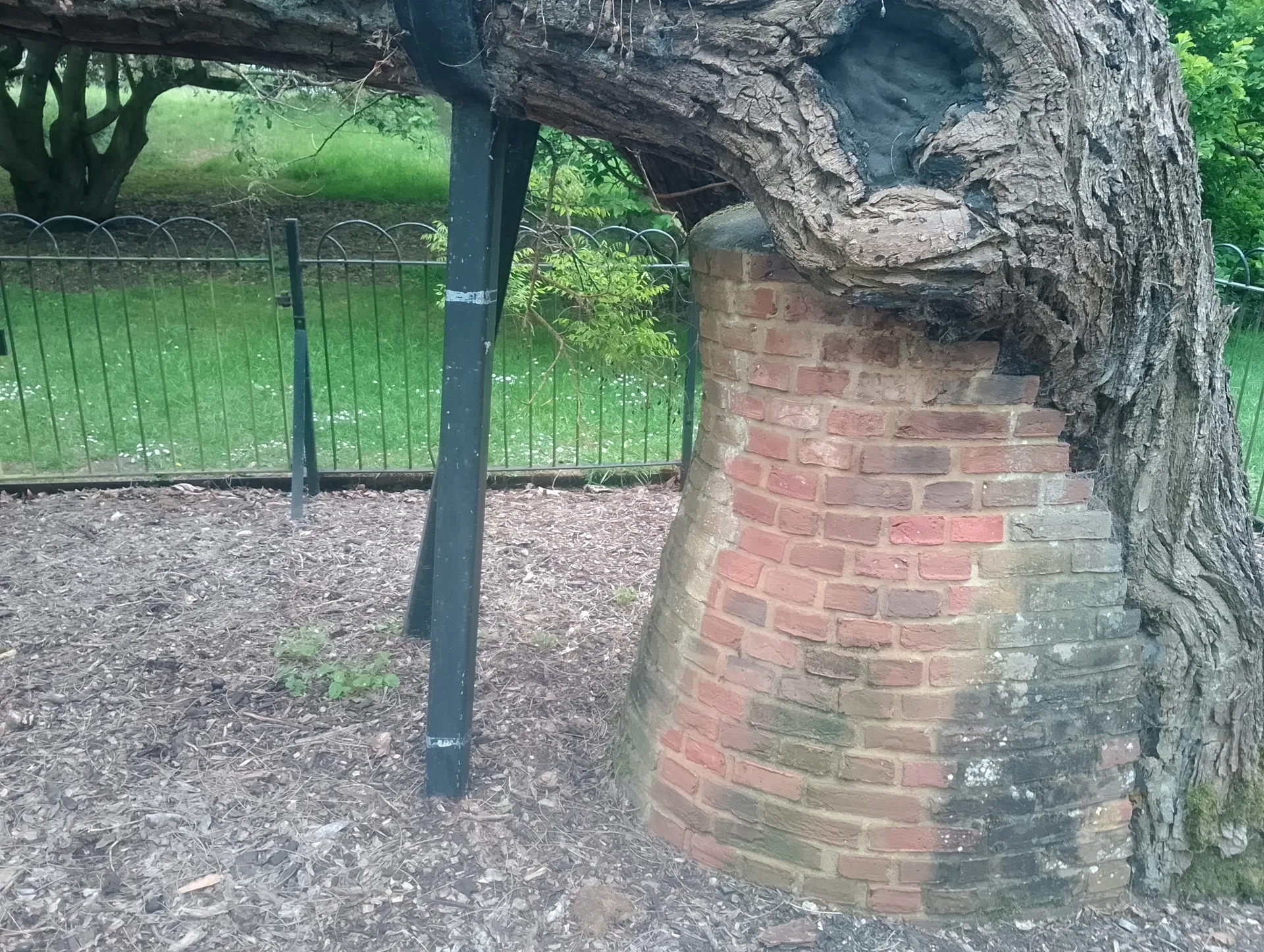
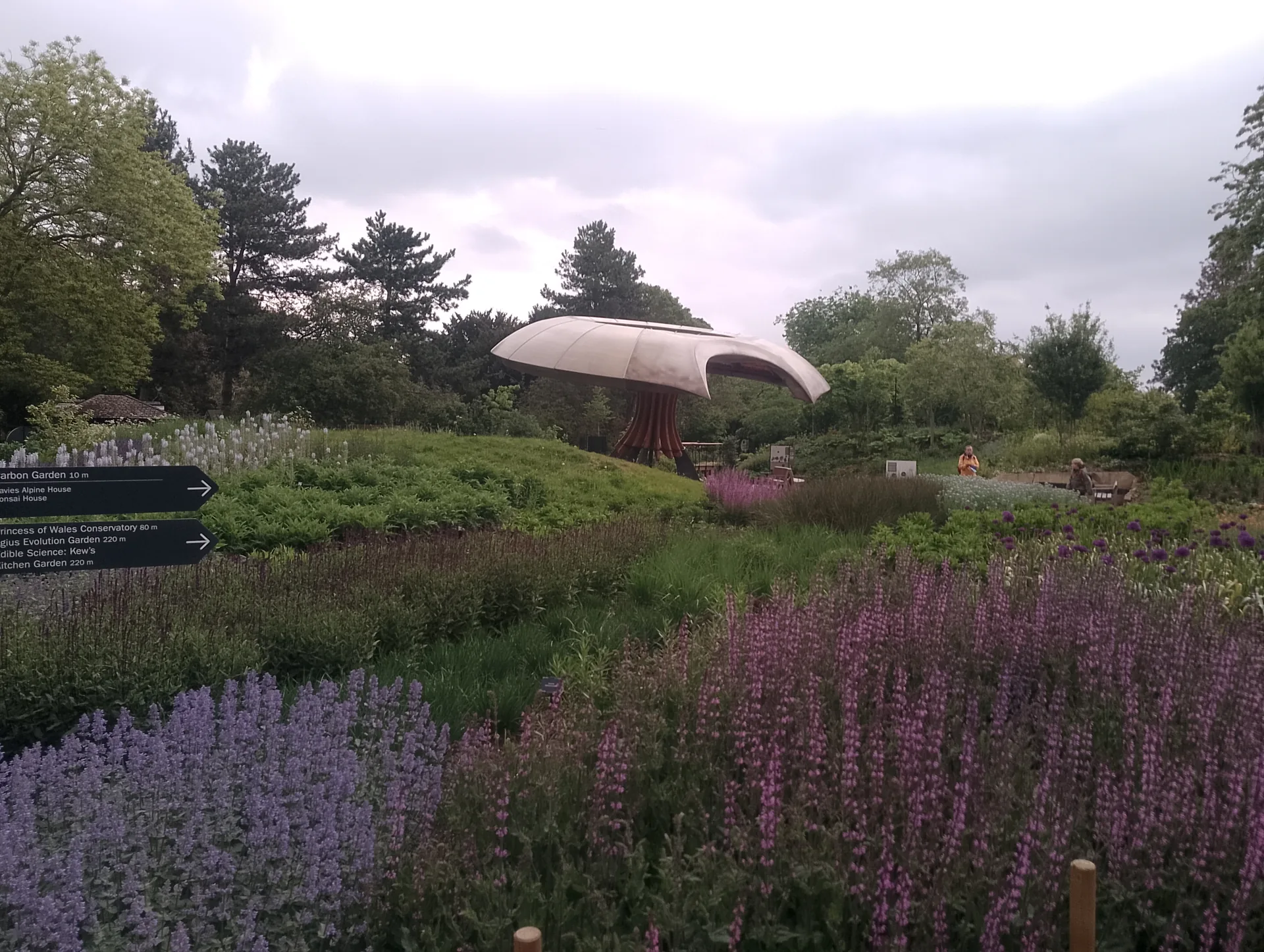
Moving on, we head towards the Carbon Garden with its large wooden structure shaped in the form of a mushroom. This consists of information about mycelium’s role in the ecosystem for sequestering carbon.
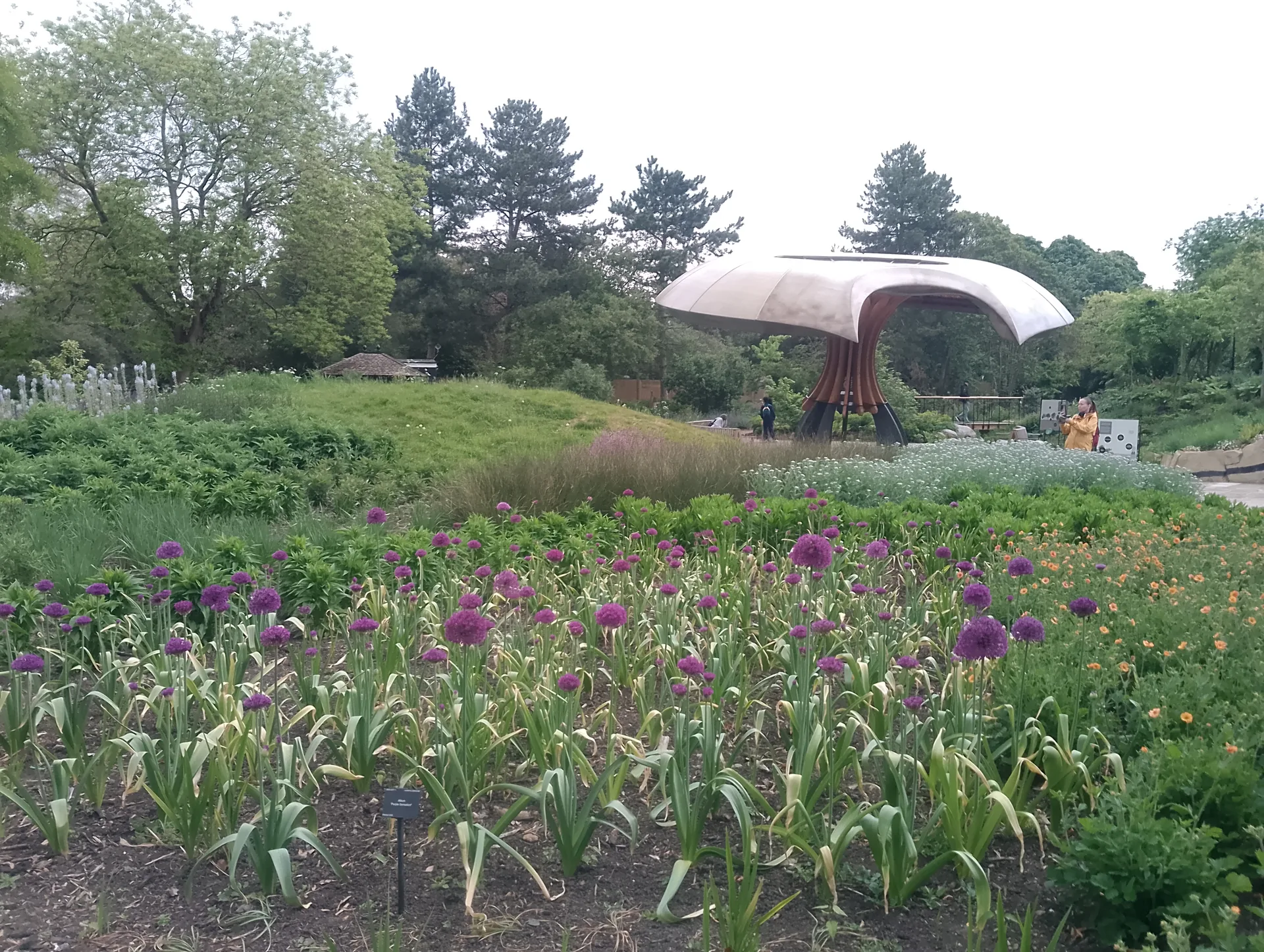
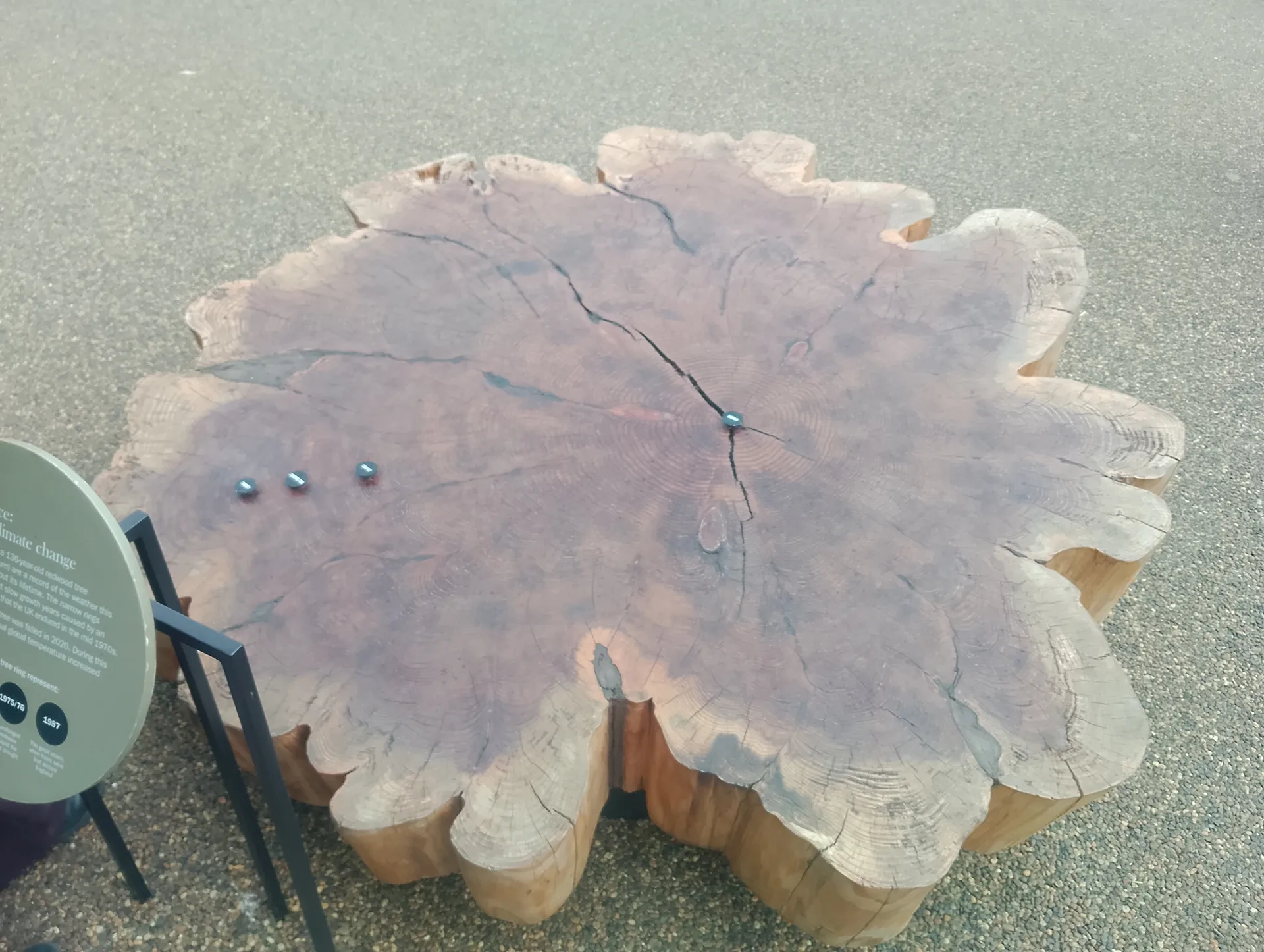
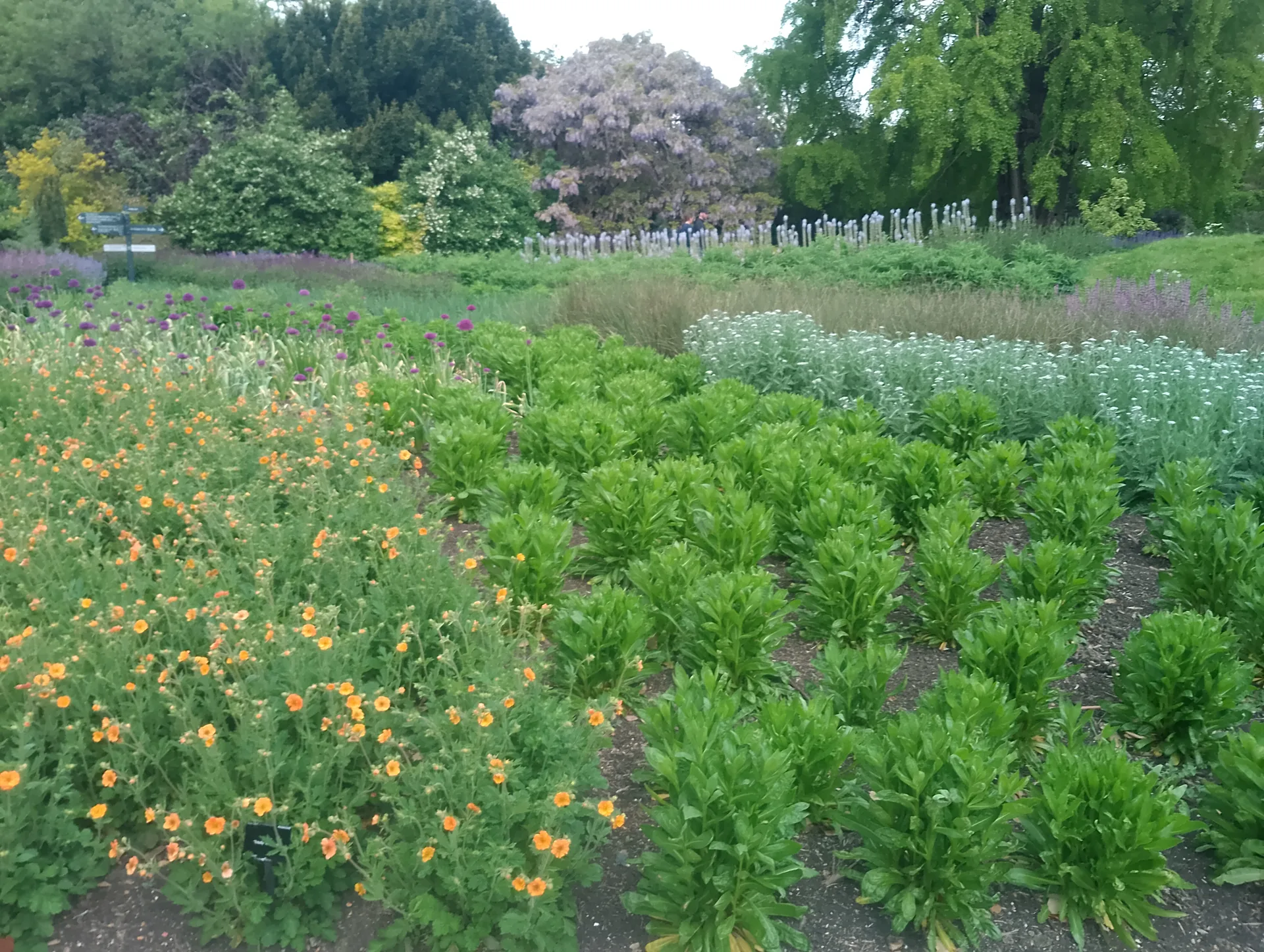
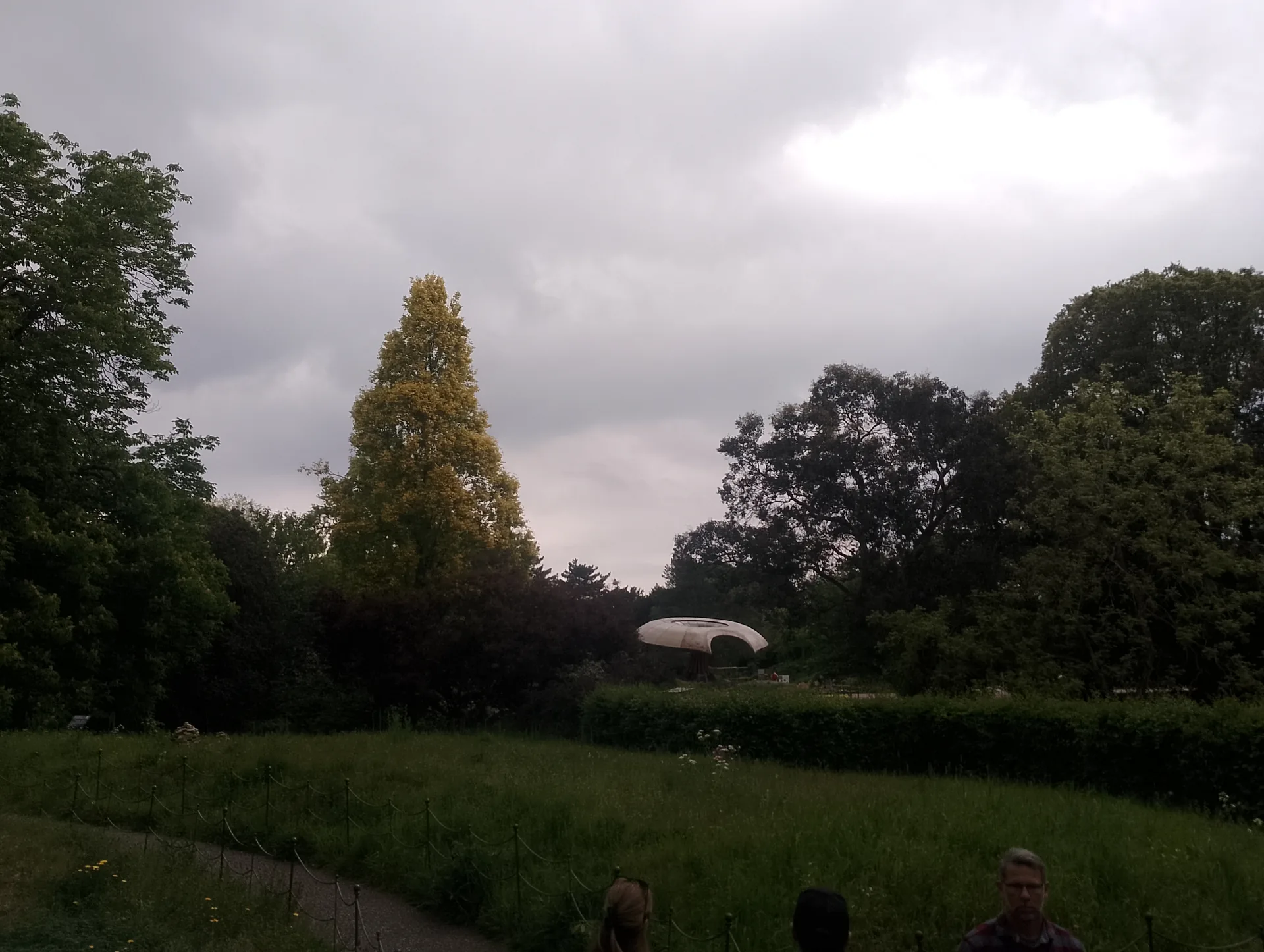
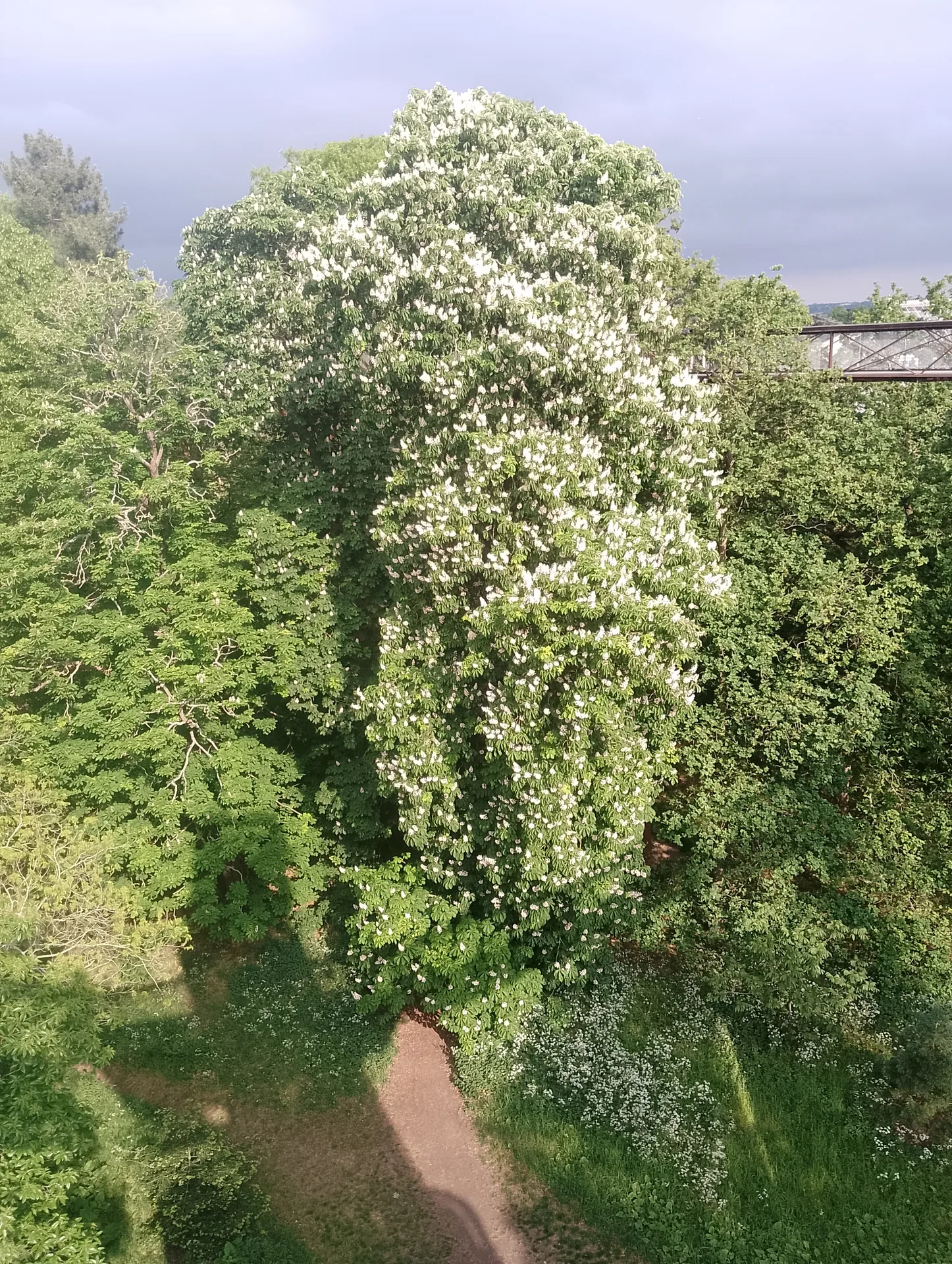
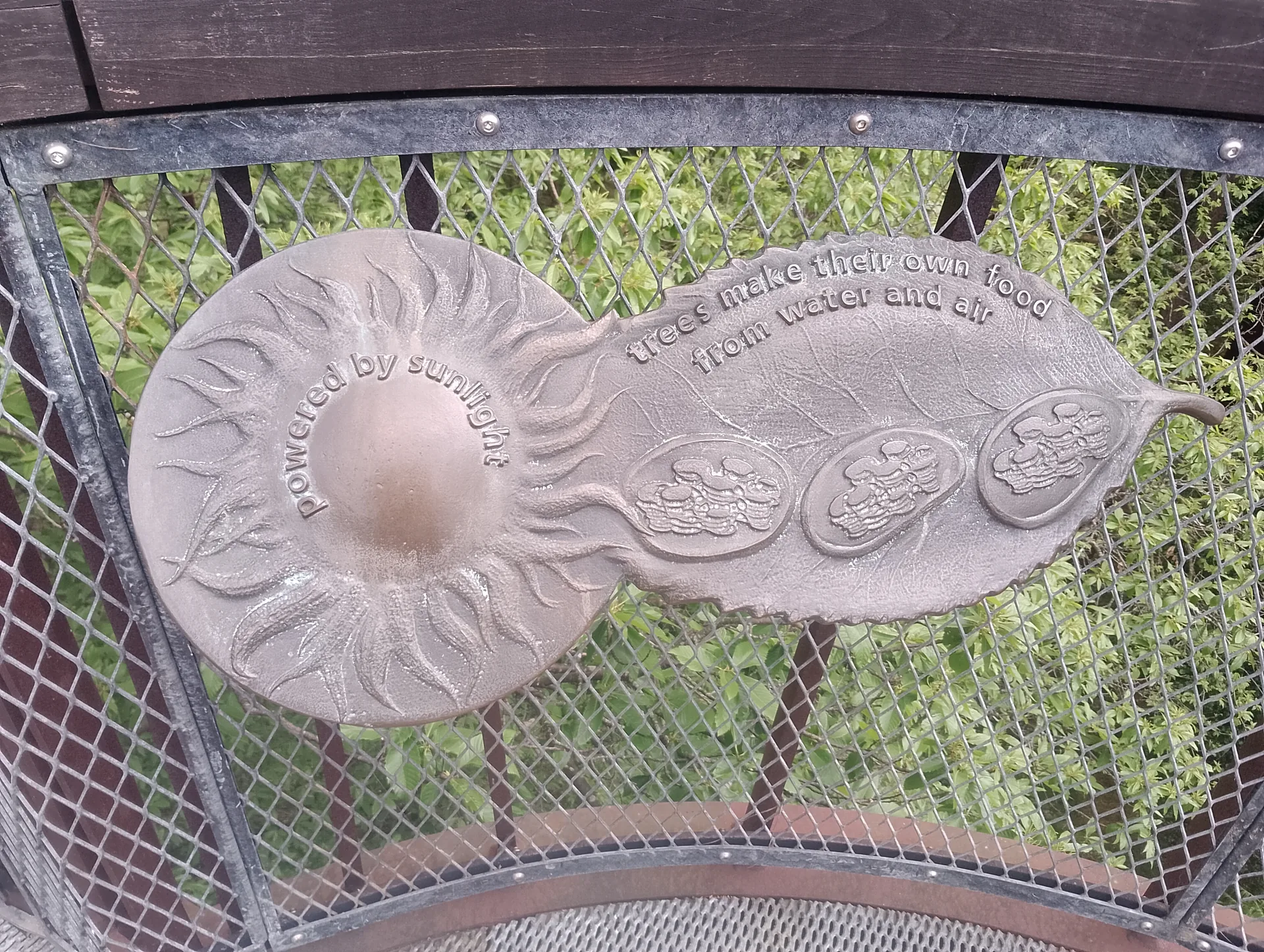
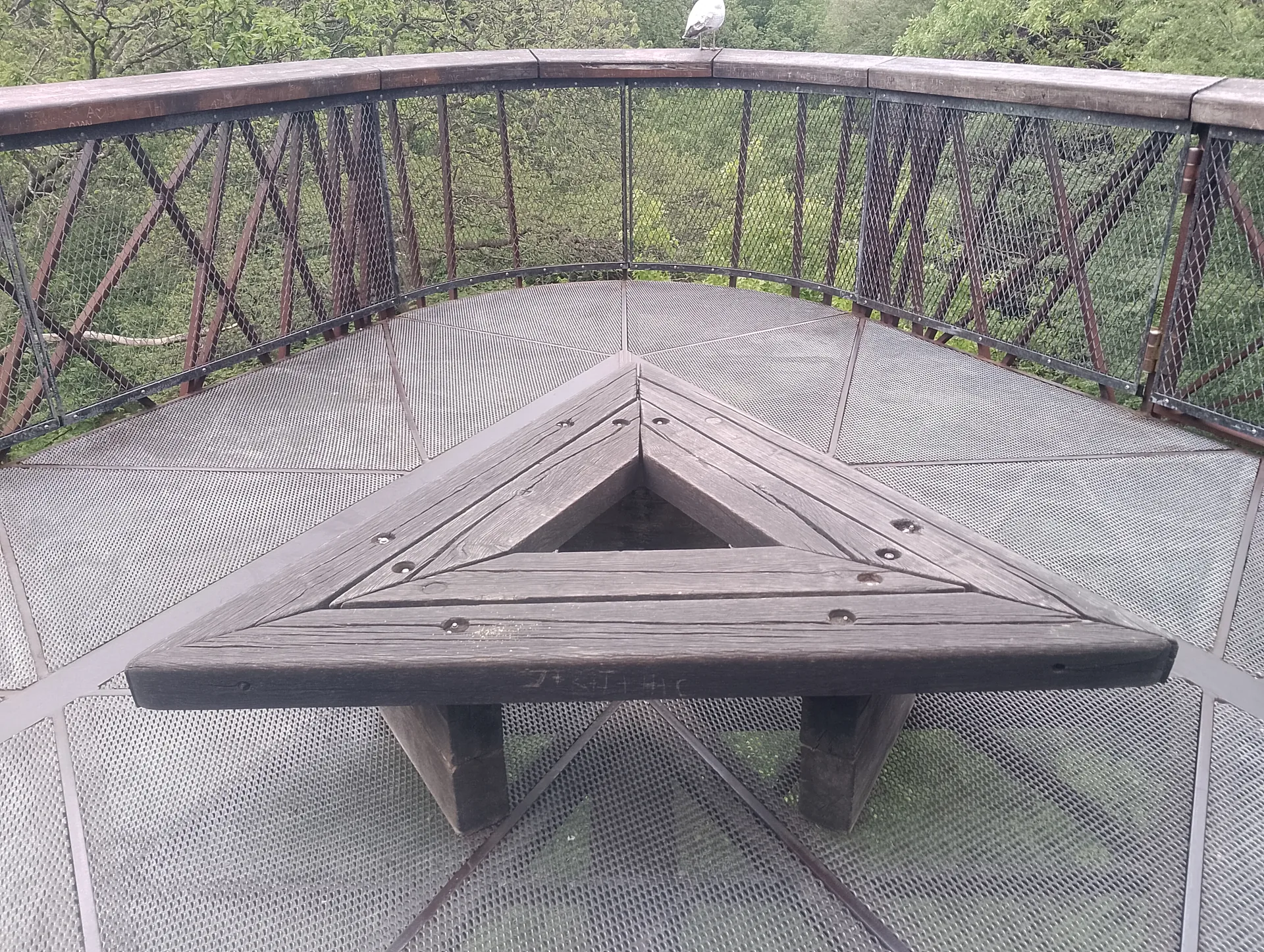
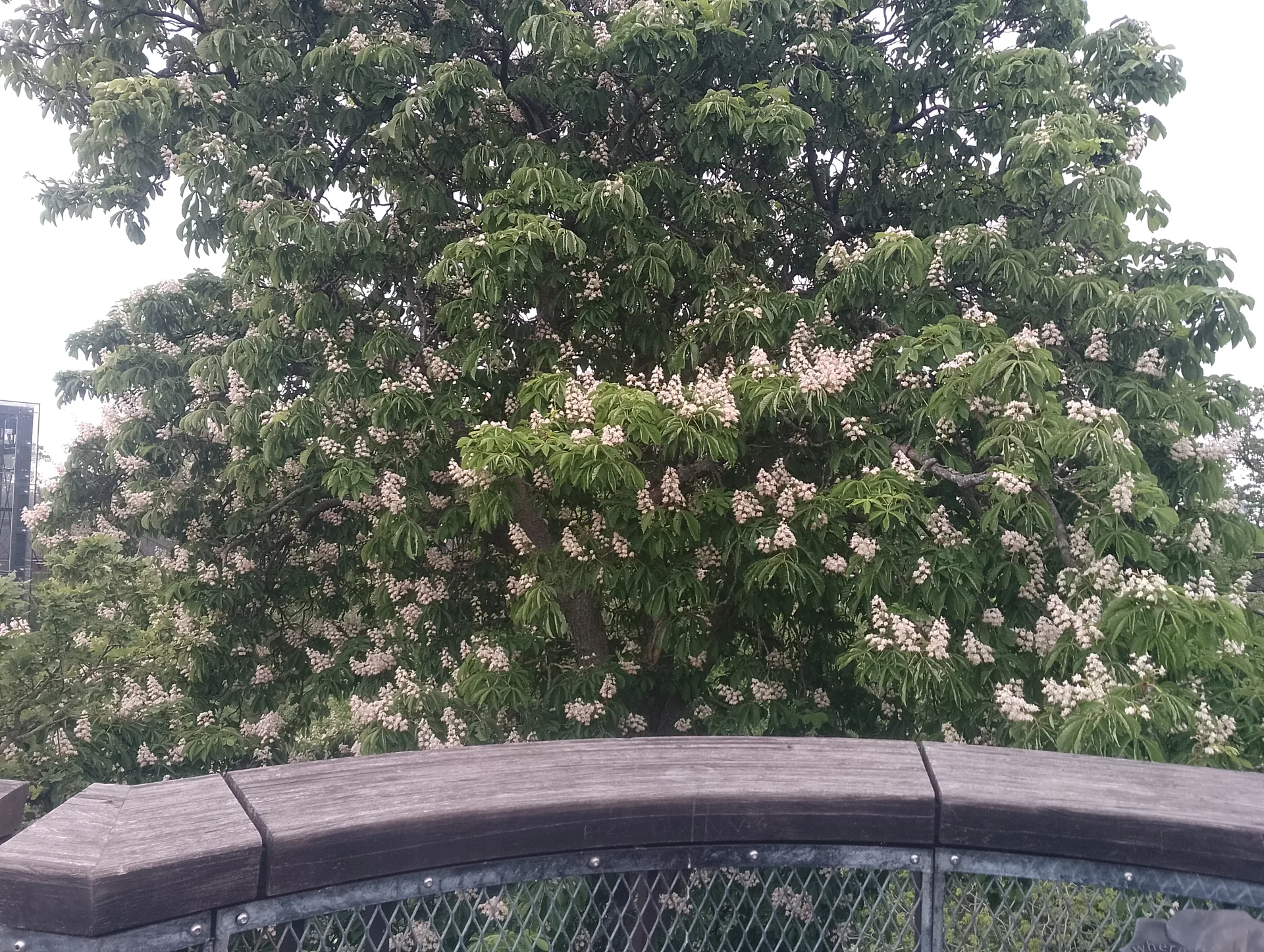
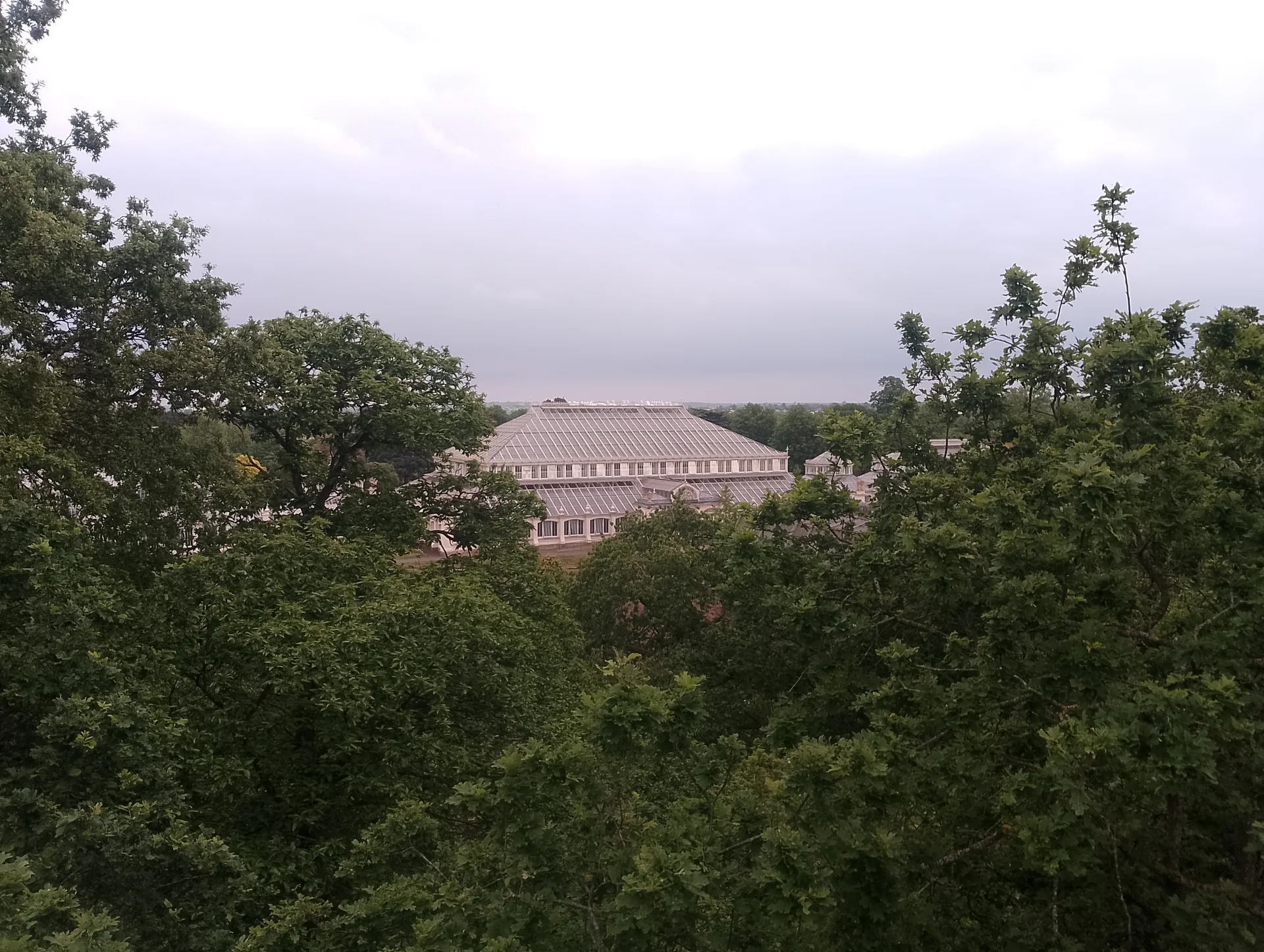
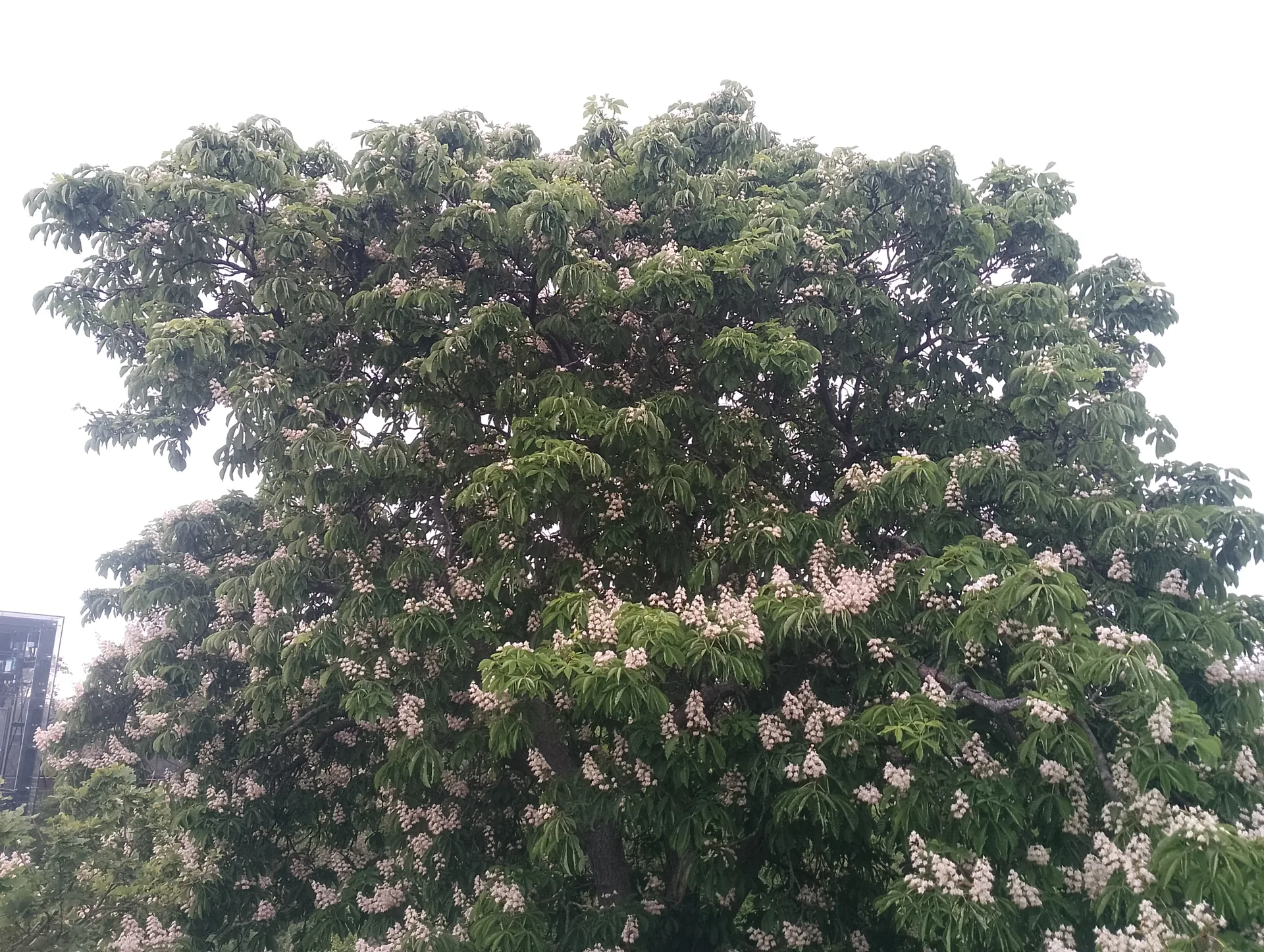
The next beeline is towards the Treetop Walkway via the Orangery and Syon Vista. This is an old favourite from the past, when we visited with an old Scottish friend; there are still a set of pictures of us getting up to monkey business. Here there is a seagull sliding around on the railing. The view is good, though nothing particularly special up here besides some nicely cast bronze plaques.
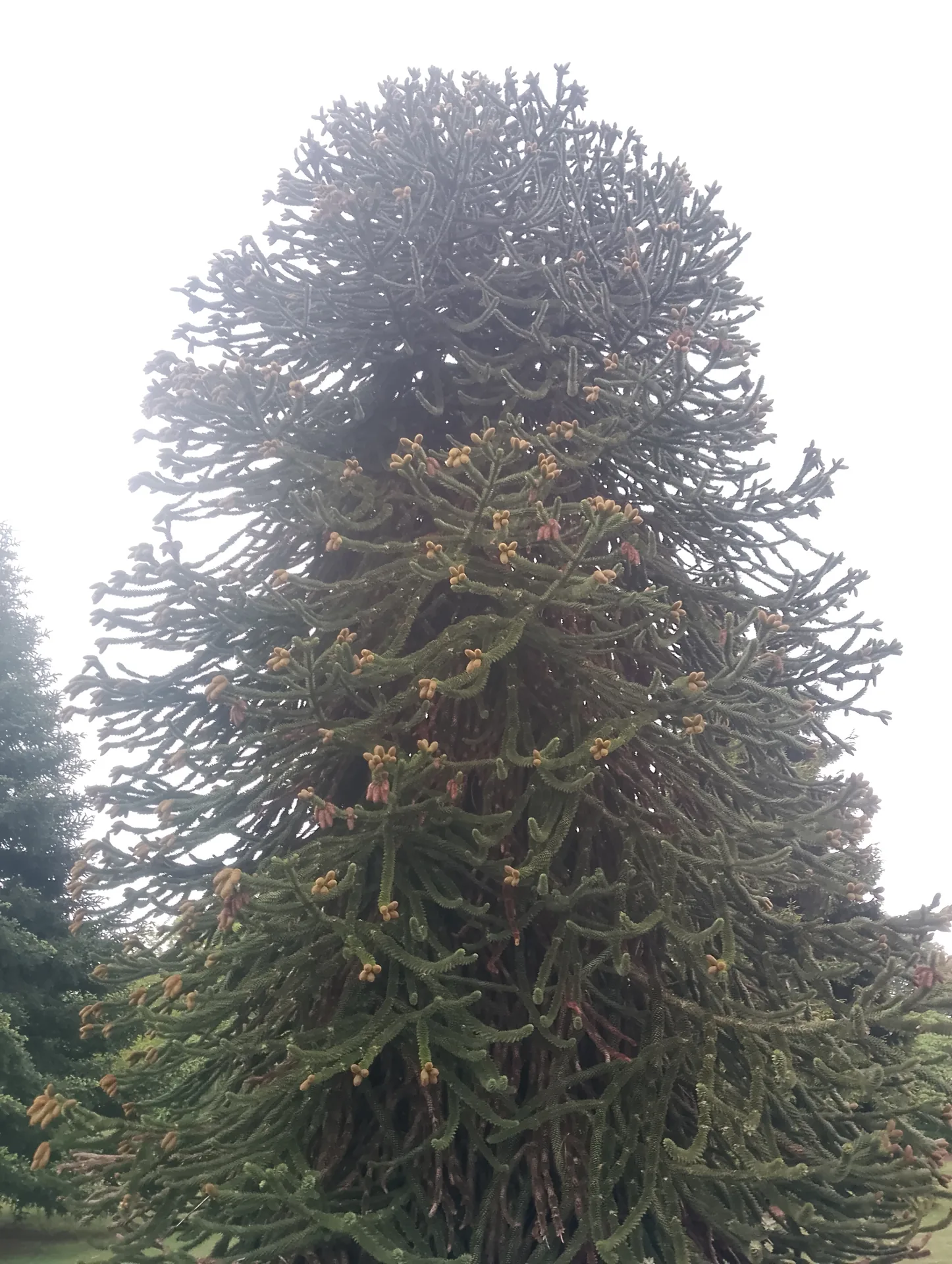
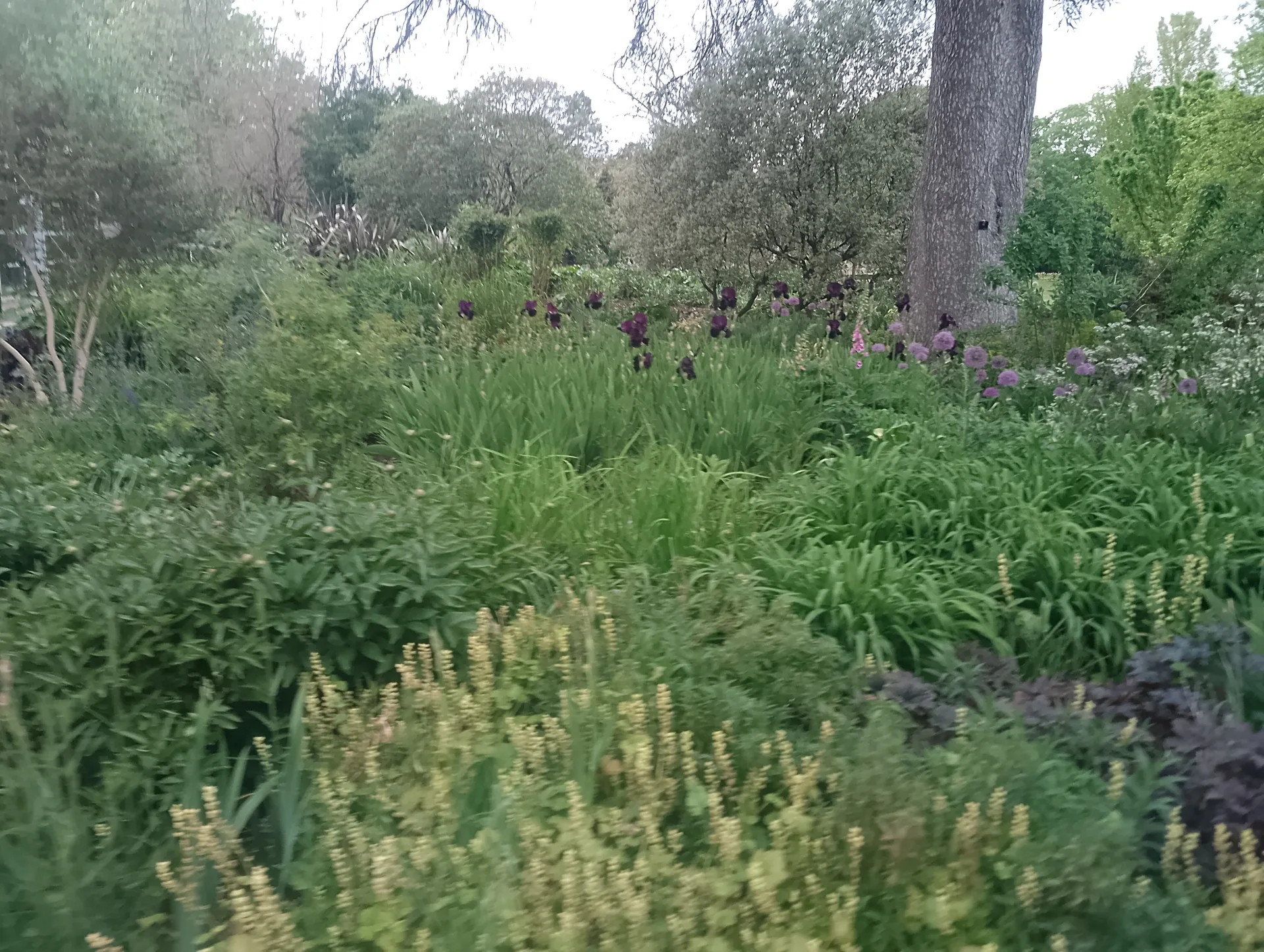
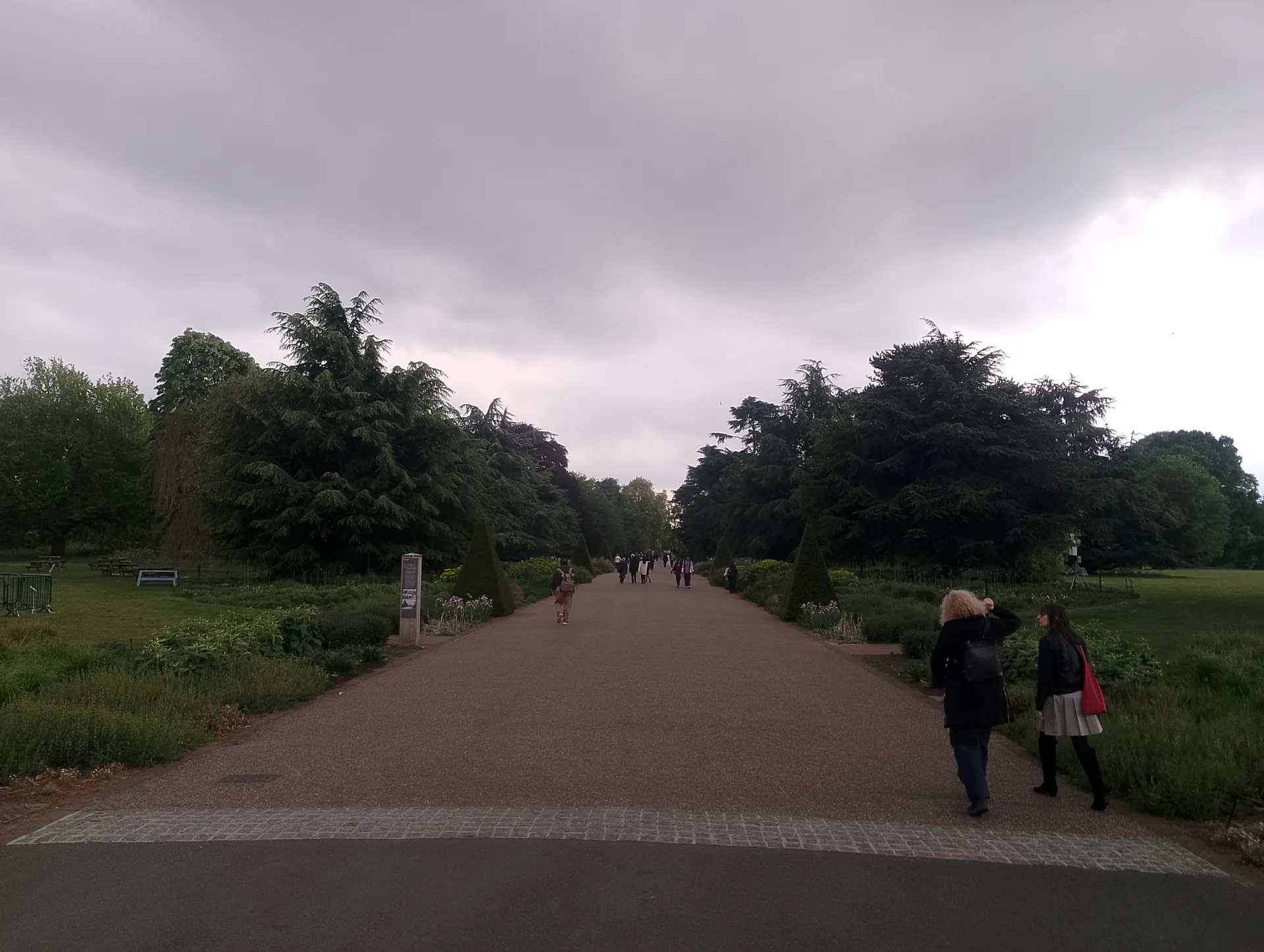
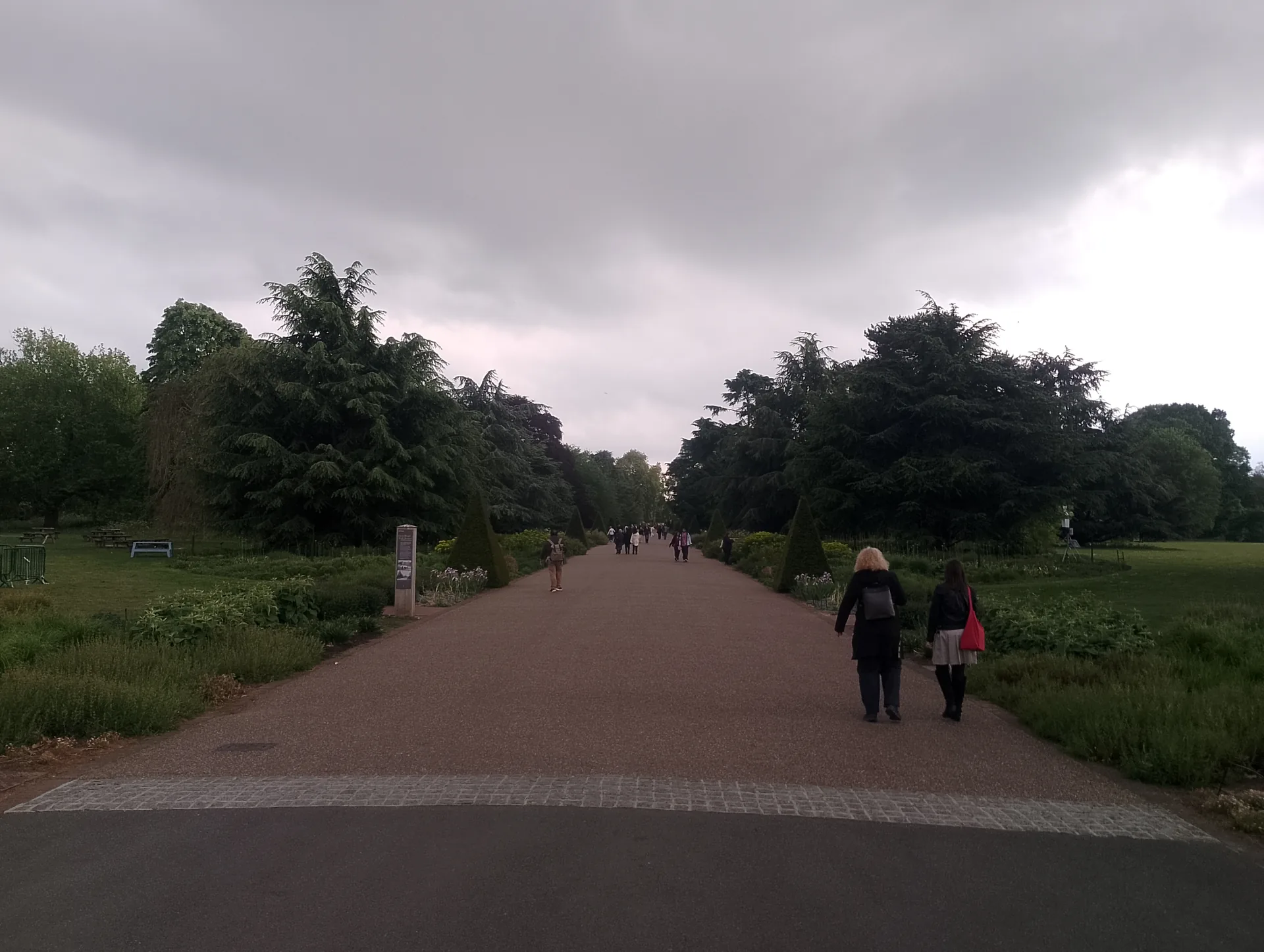
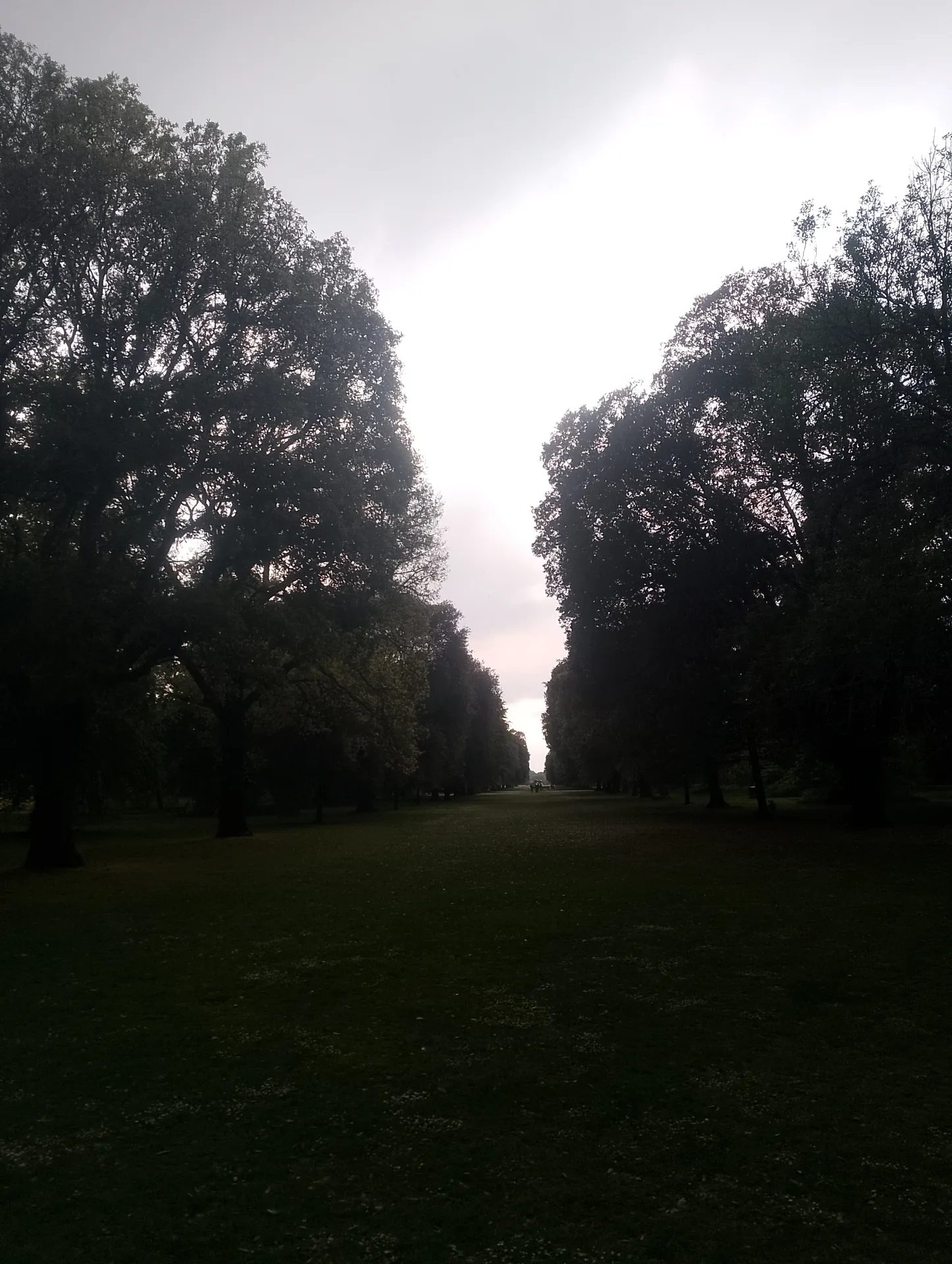
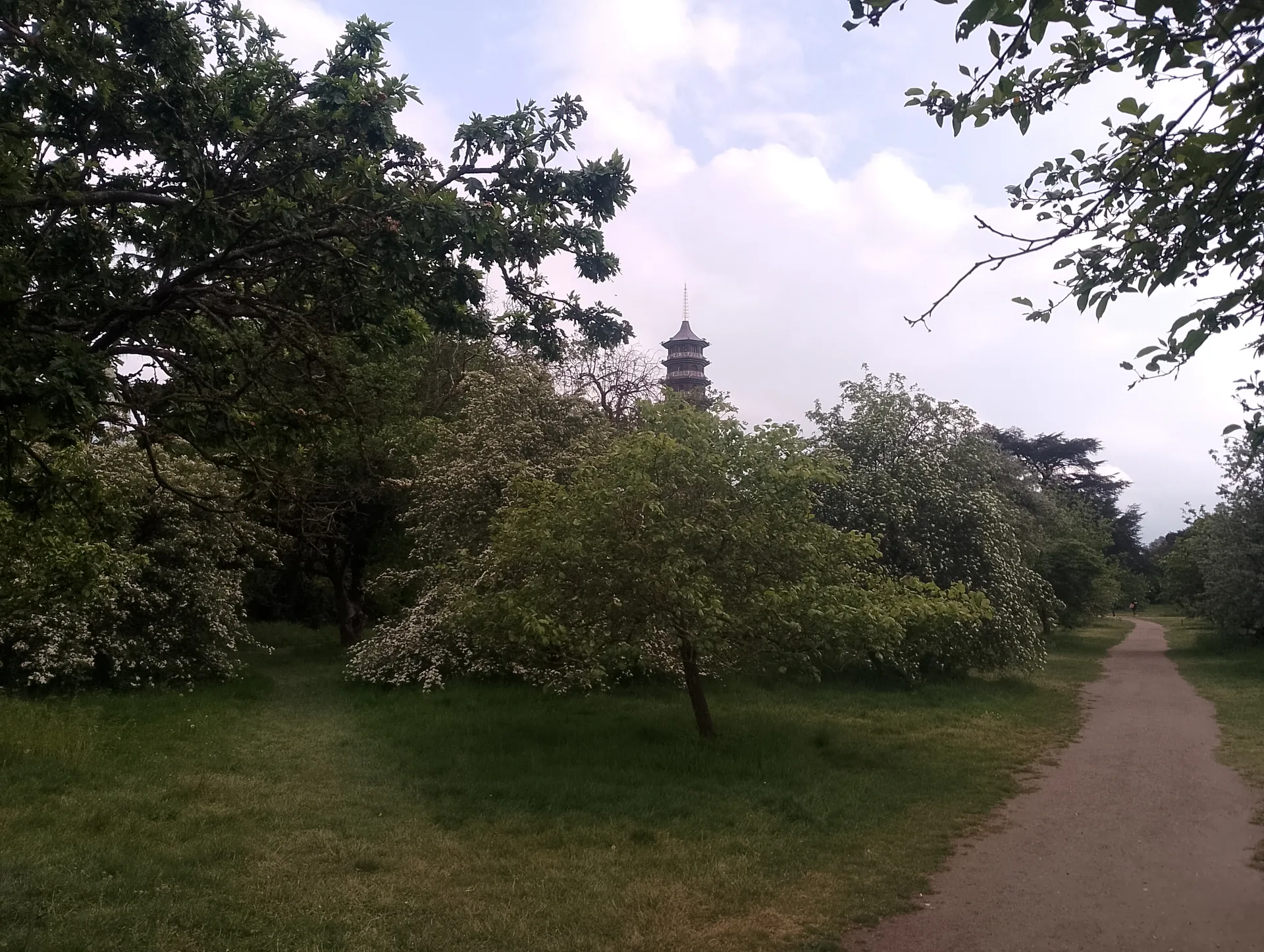
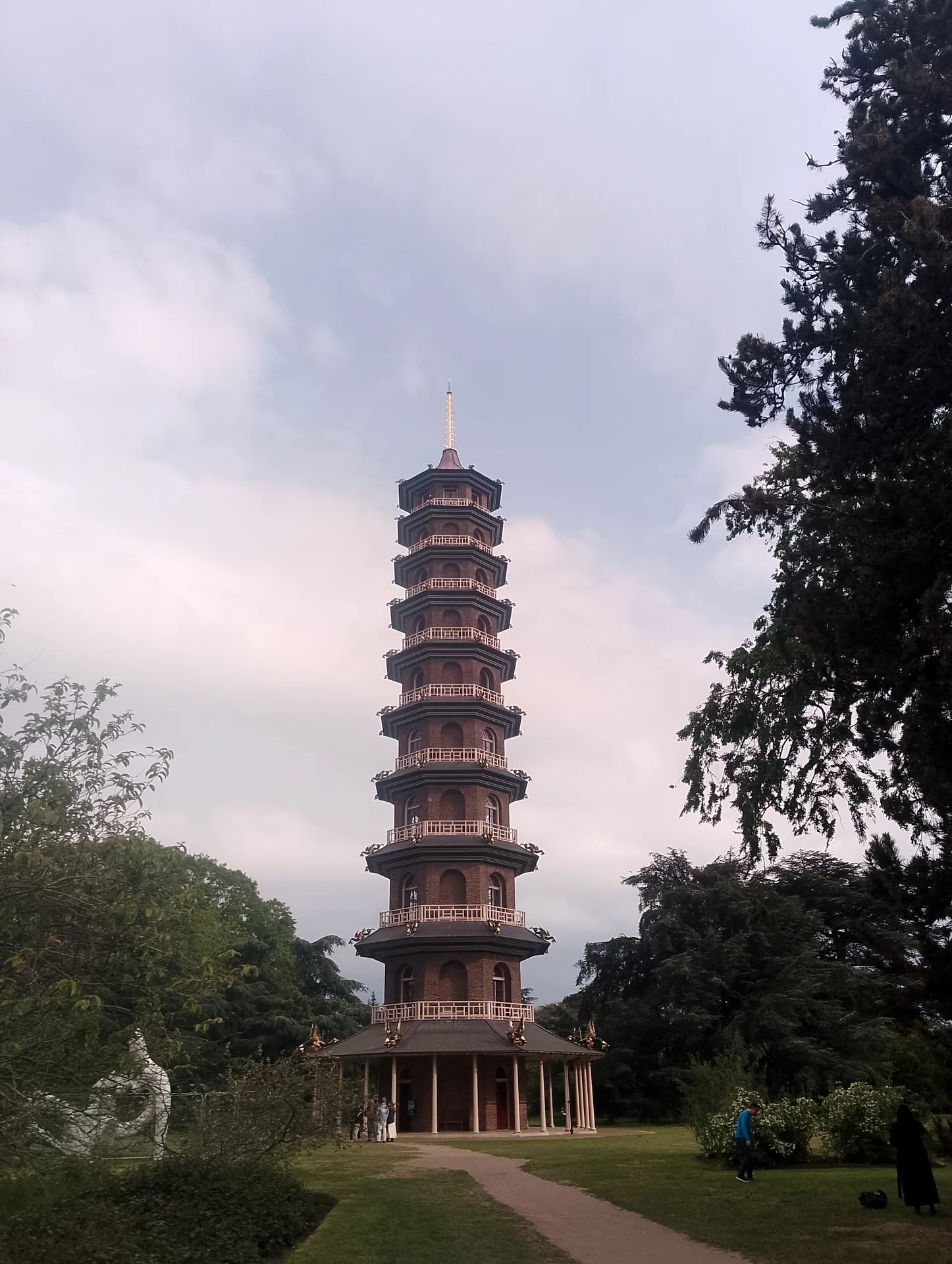
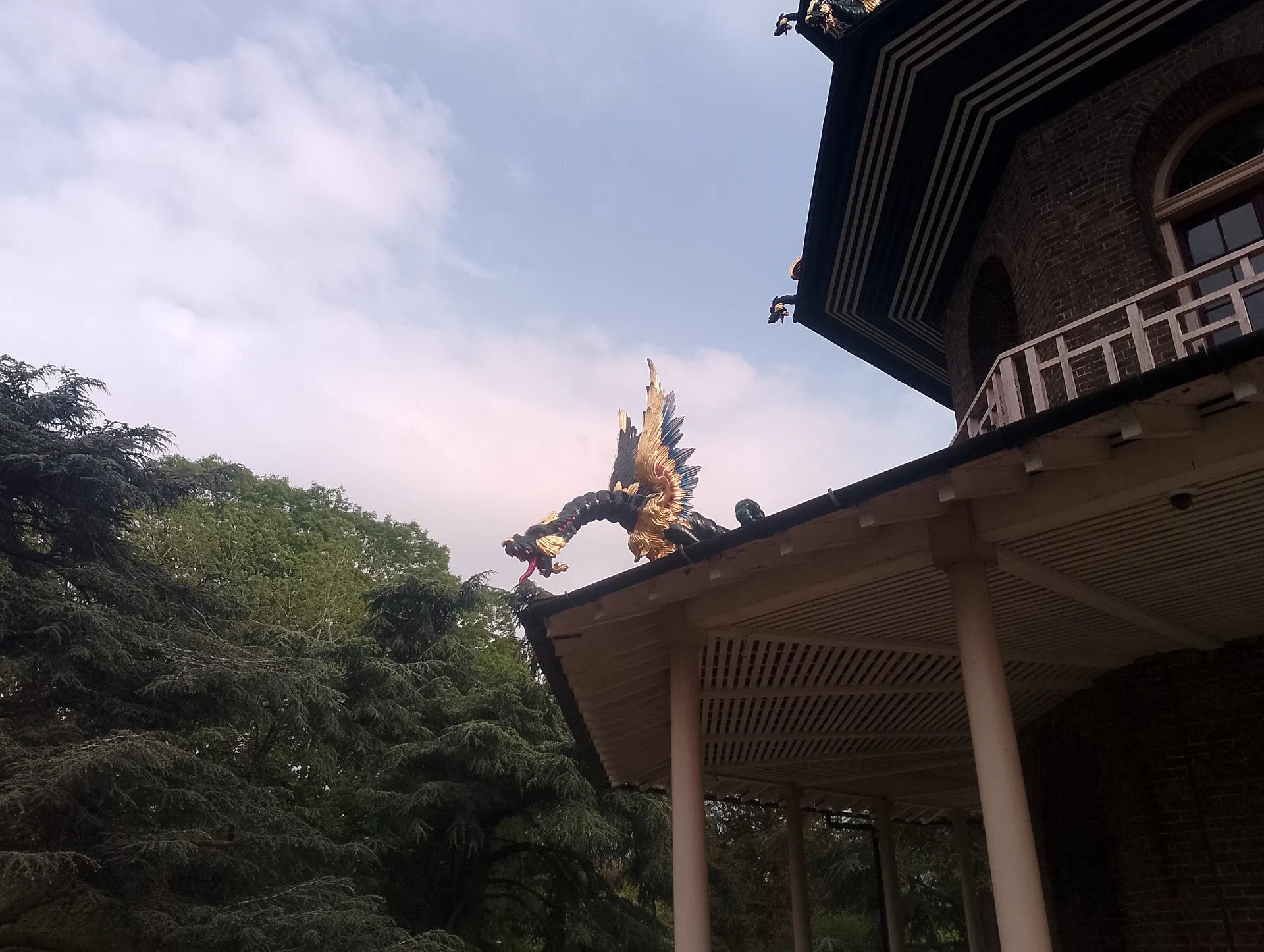
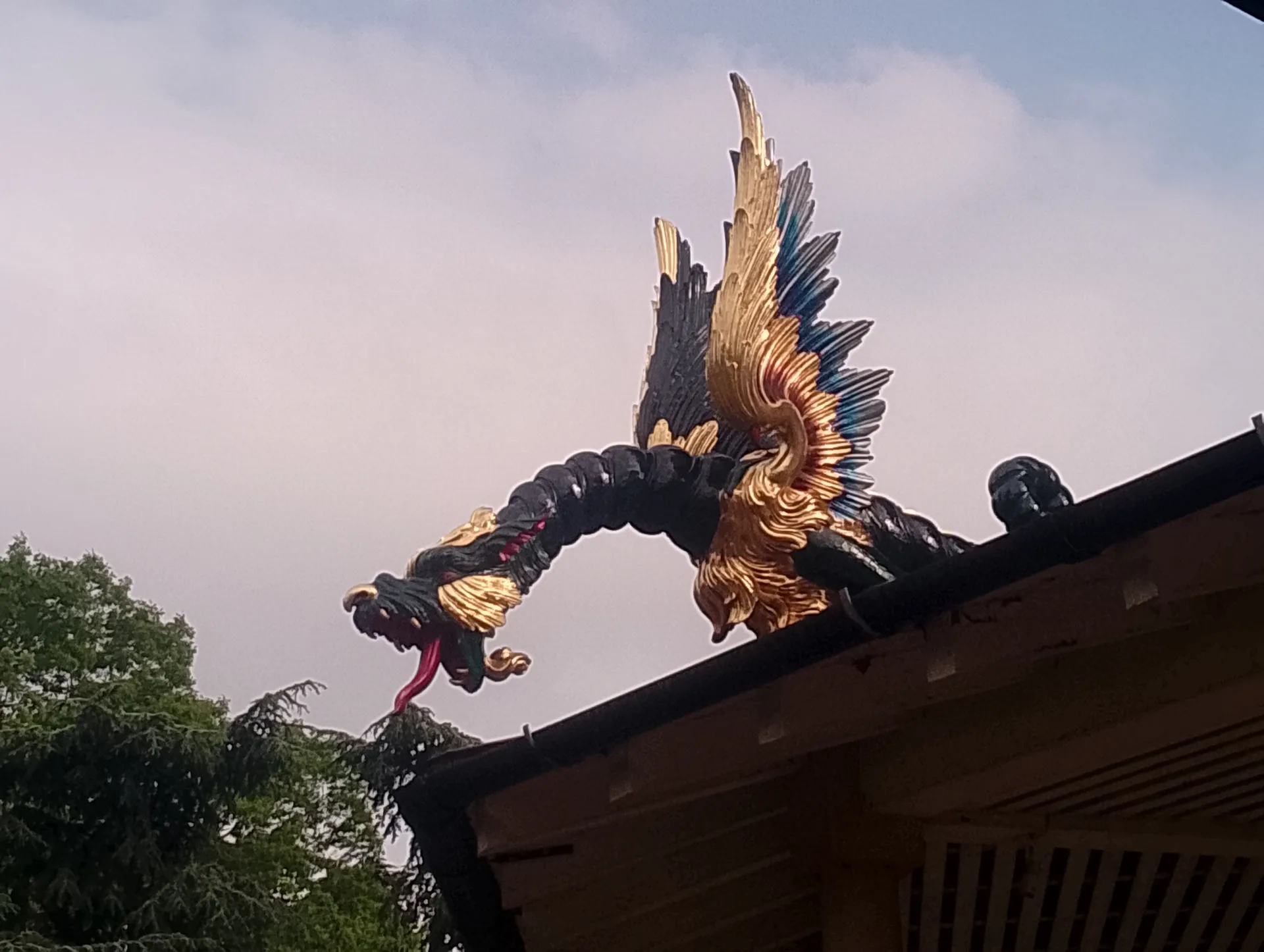
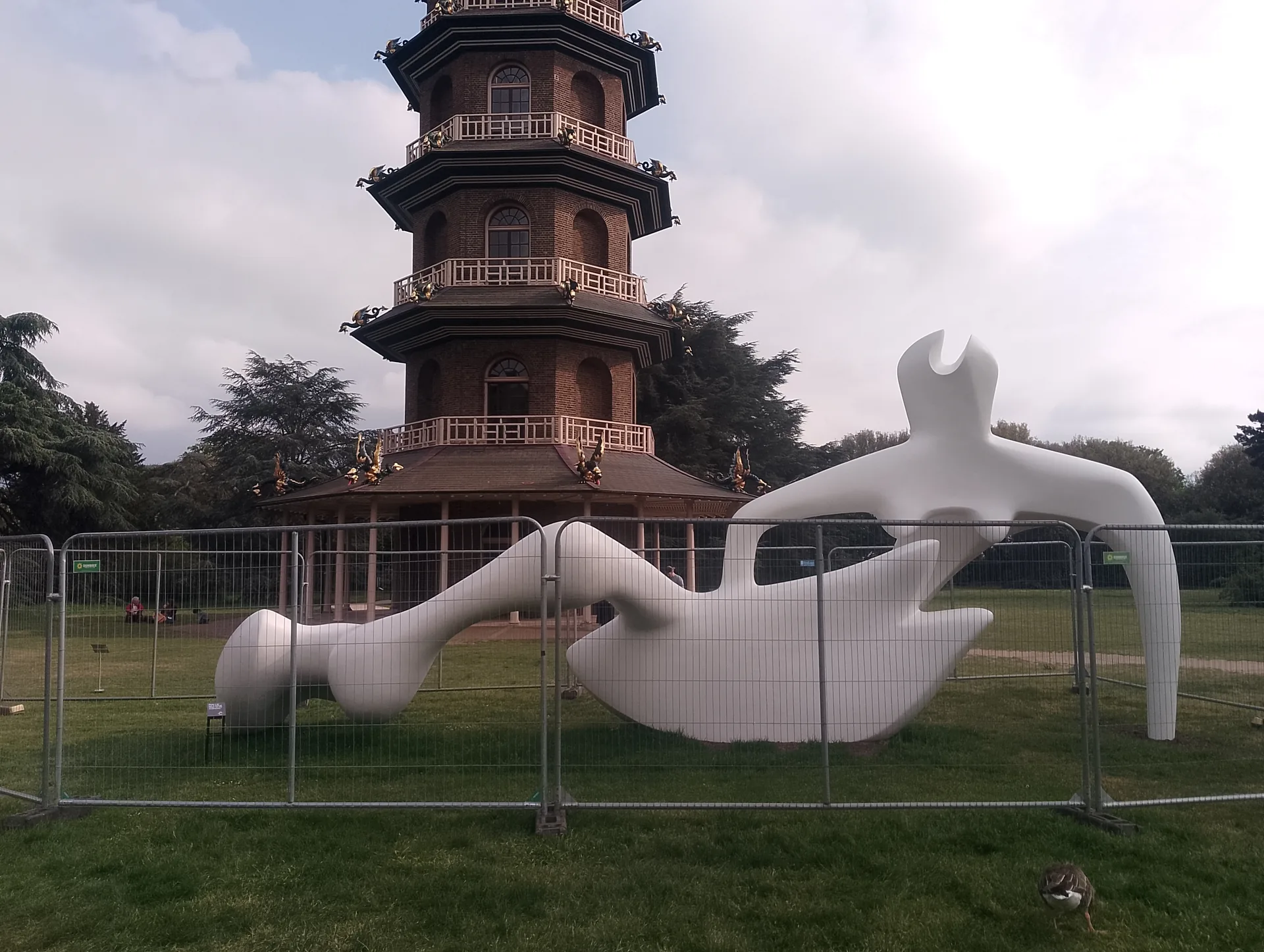
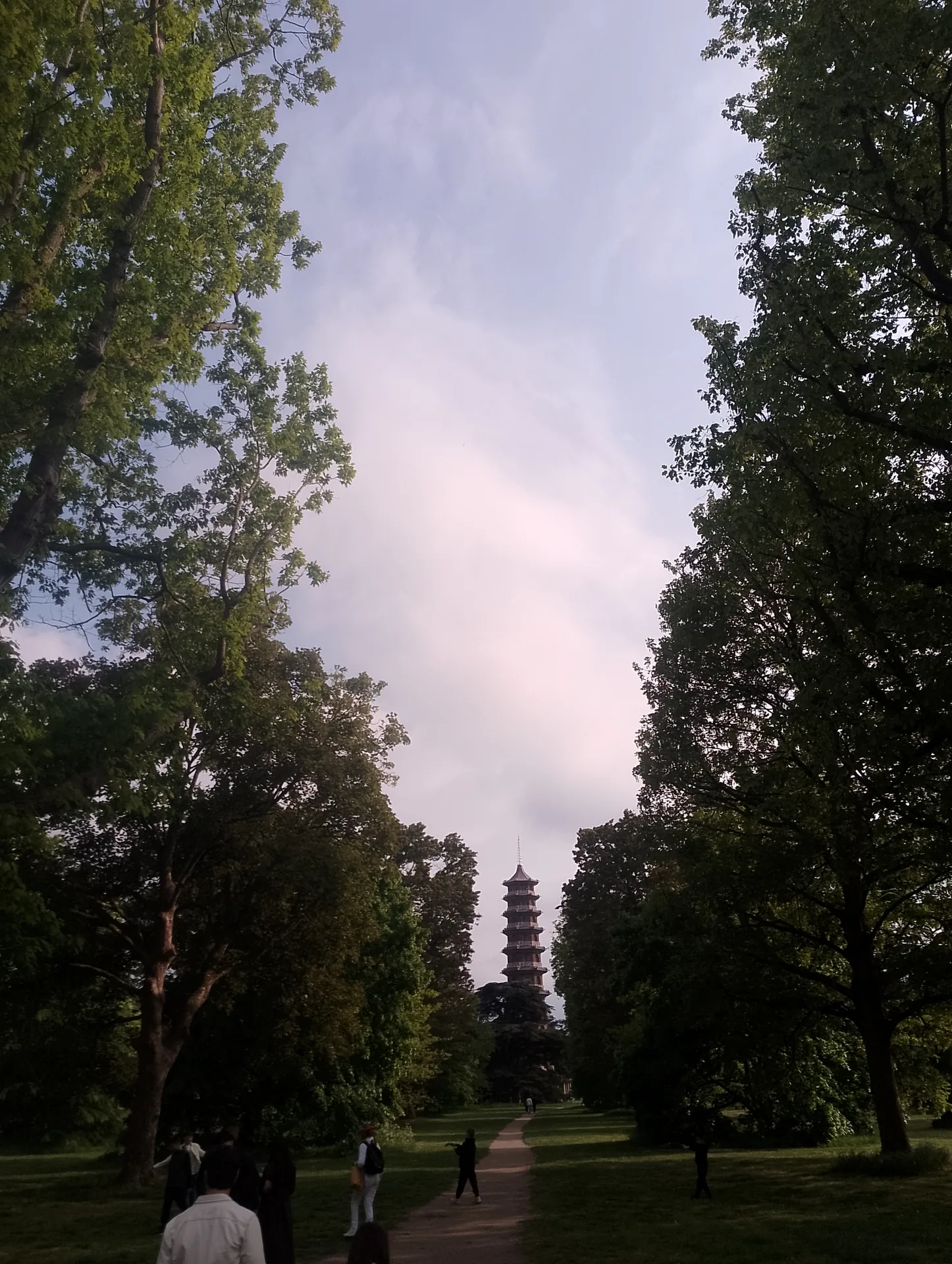
At this point the group splits, as Maretta wished to buy a plant from the start and I had spotted a Japanese-style tower that I wanted to see before leaving. I get there via Thorn Avenue, a path through the trees that makes for a stunning walk. The tower, known as the Great Pagoda, was frankly exquisite and beat many of the ones I’d seen in Japan with regards to its decor consisting of golden dragons. This was of course less authentic, but still a fantastic piece of work that would be hard to beat.
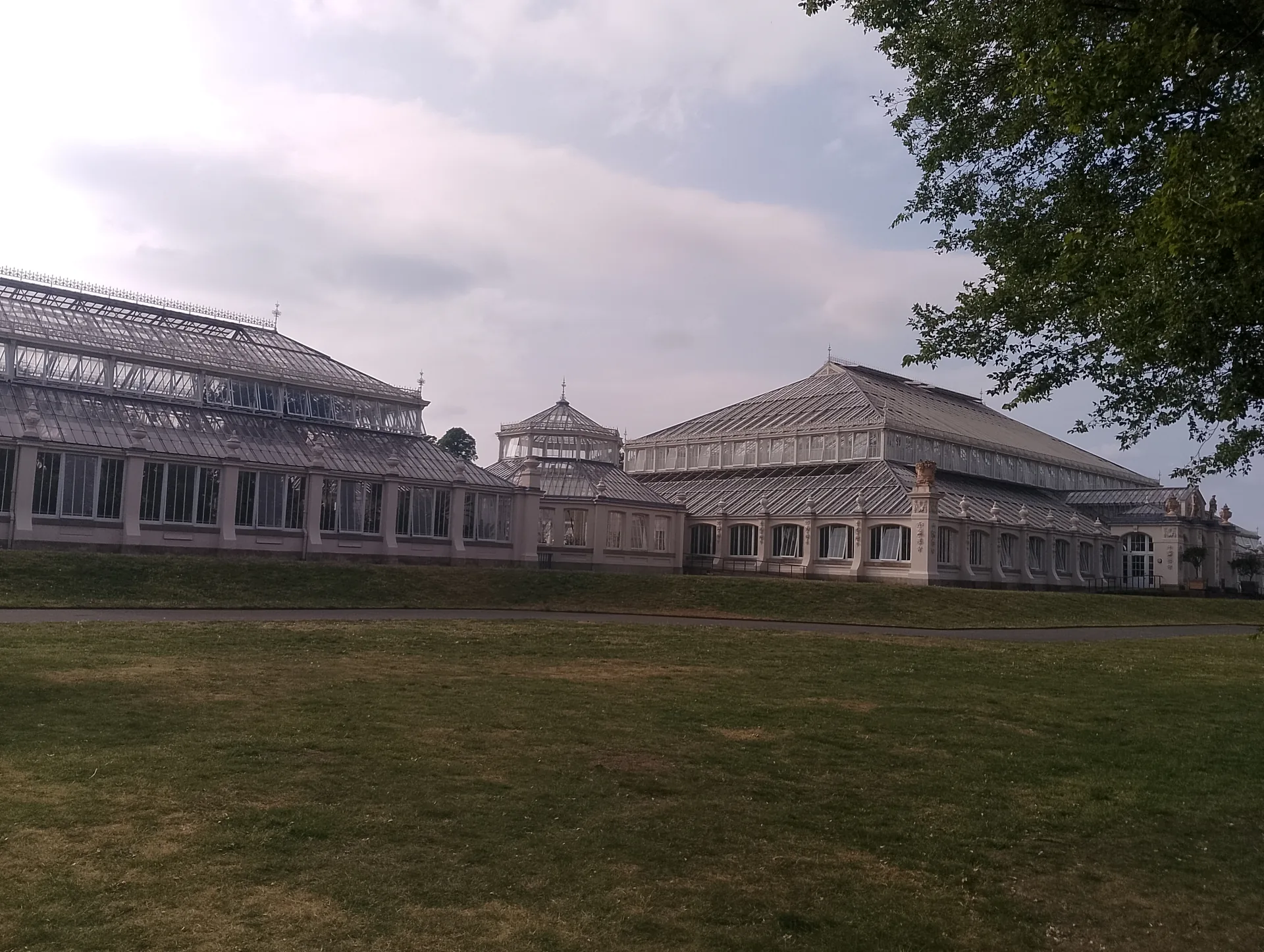
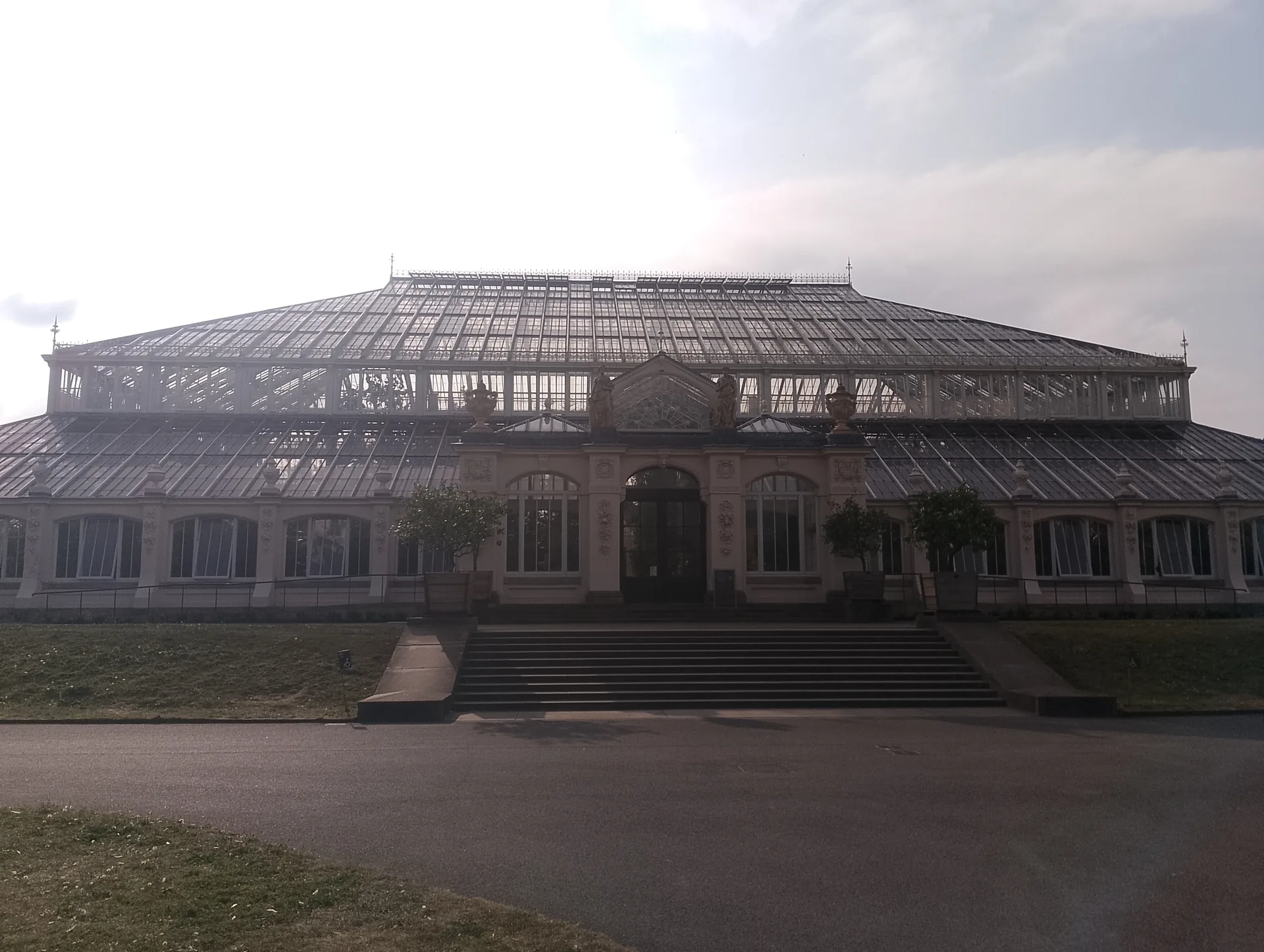
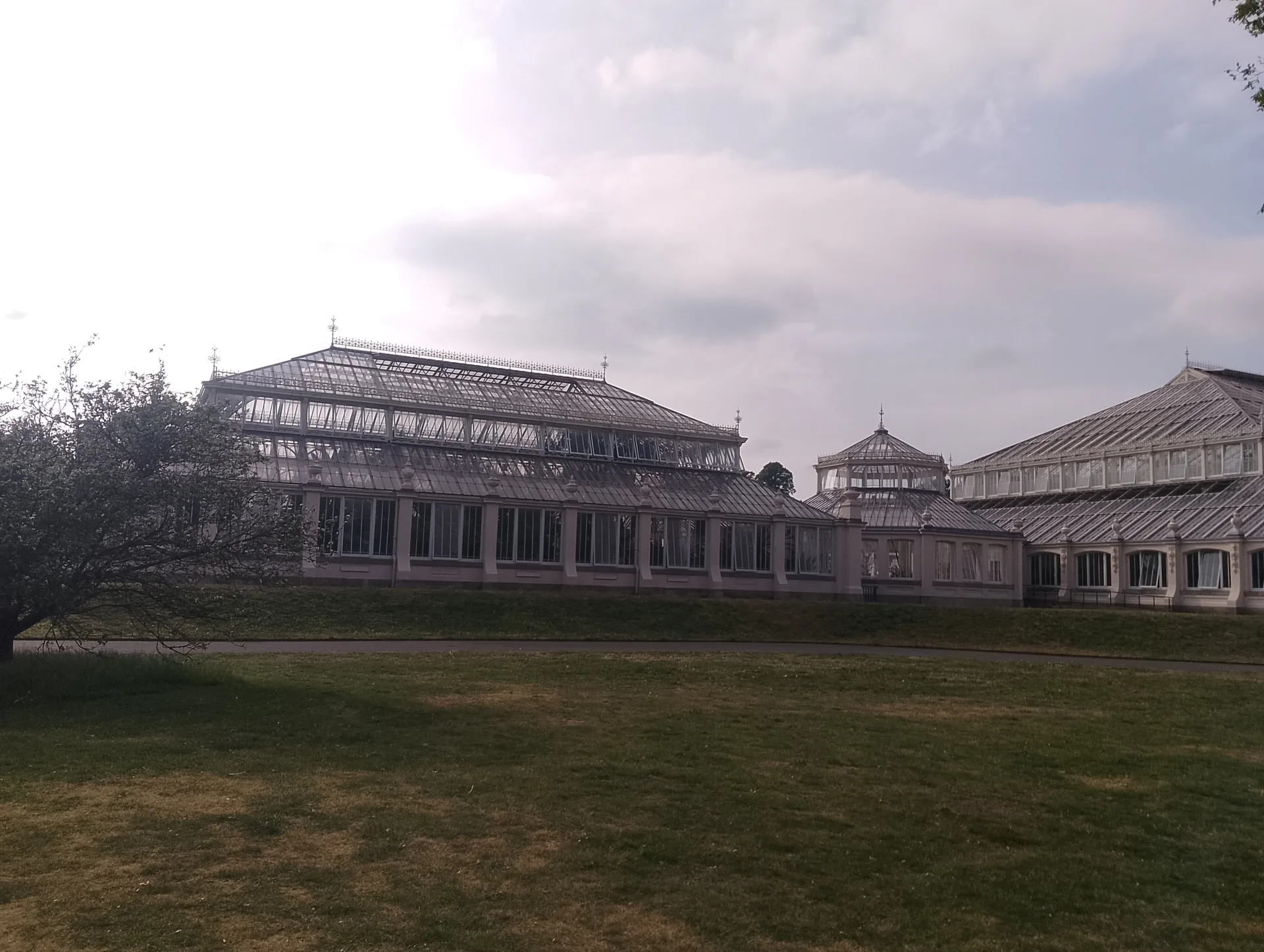
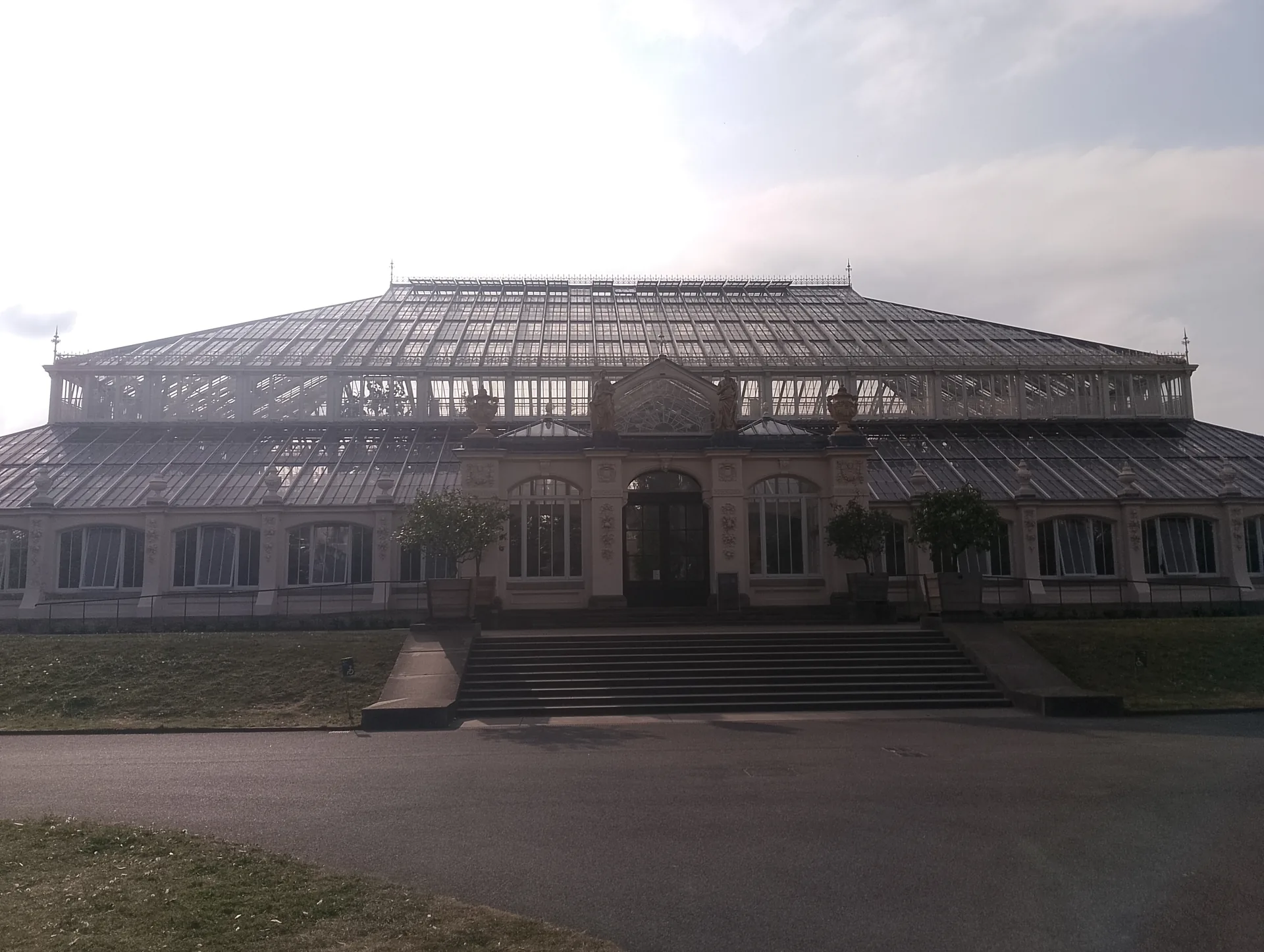
At this point I need to catch up to my friends and get moving towards the opposite end of the gardens via Pagoda Vista, which - had the tower been open - would have been quite a sight. I pass the Temperate House on my way back, taking a few photos but having little time to stop in. Yes, I missed the Palm House as well sadly, as it was getting near to close. These will have to be on the agenda for next time.
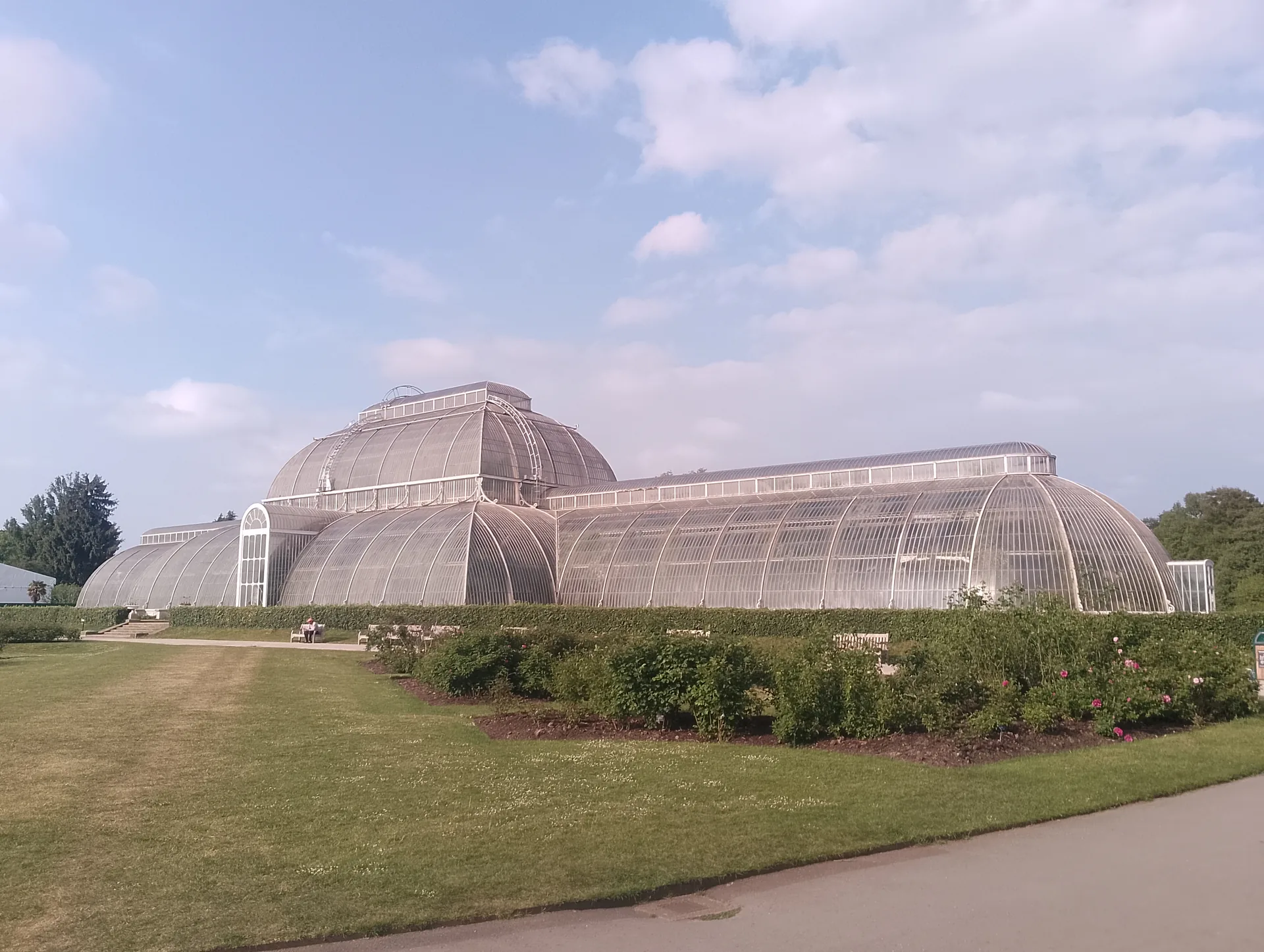
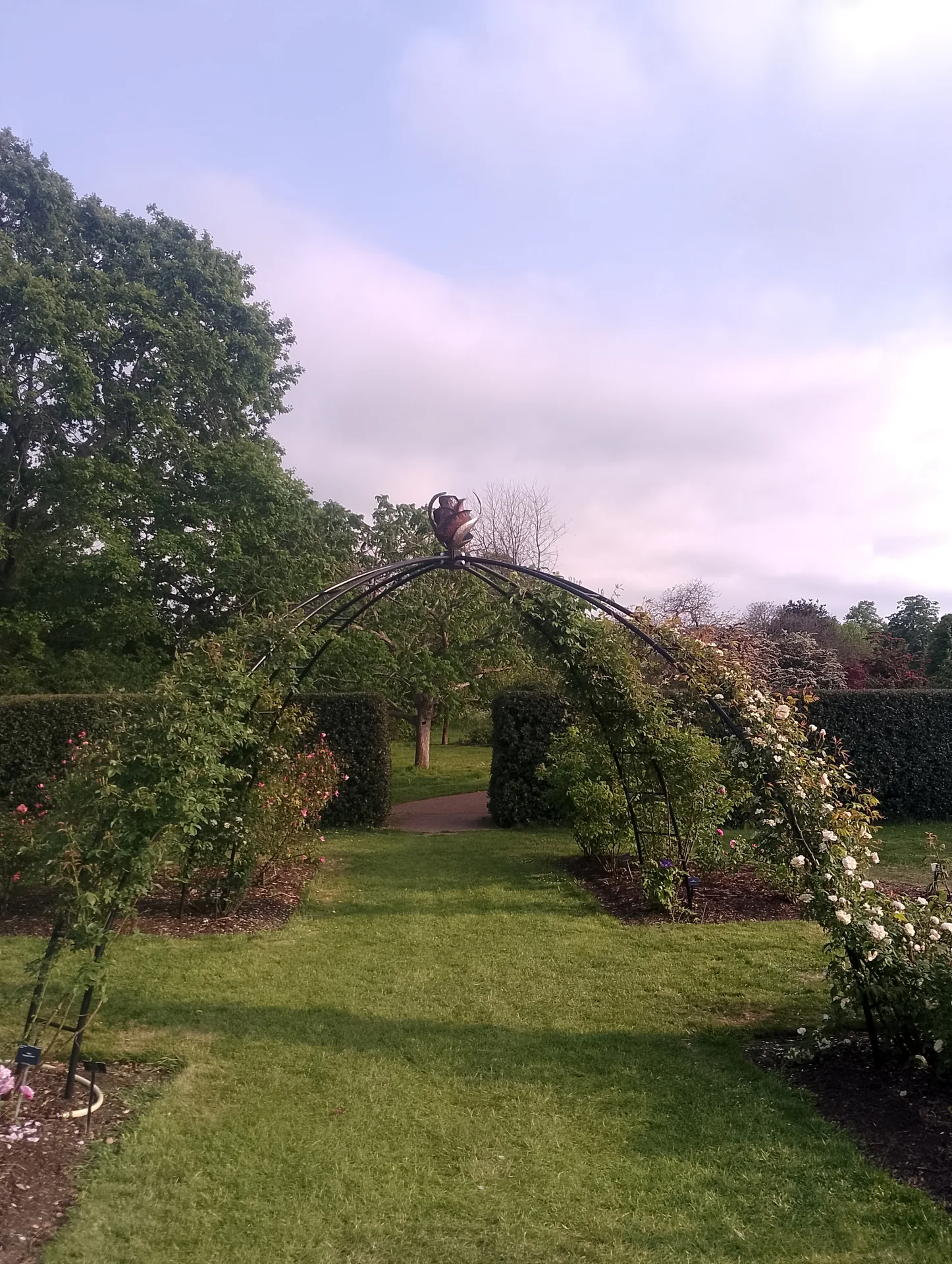
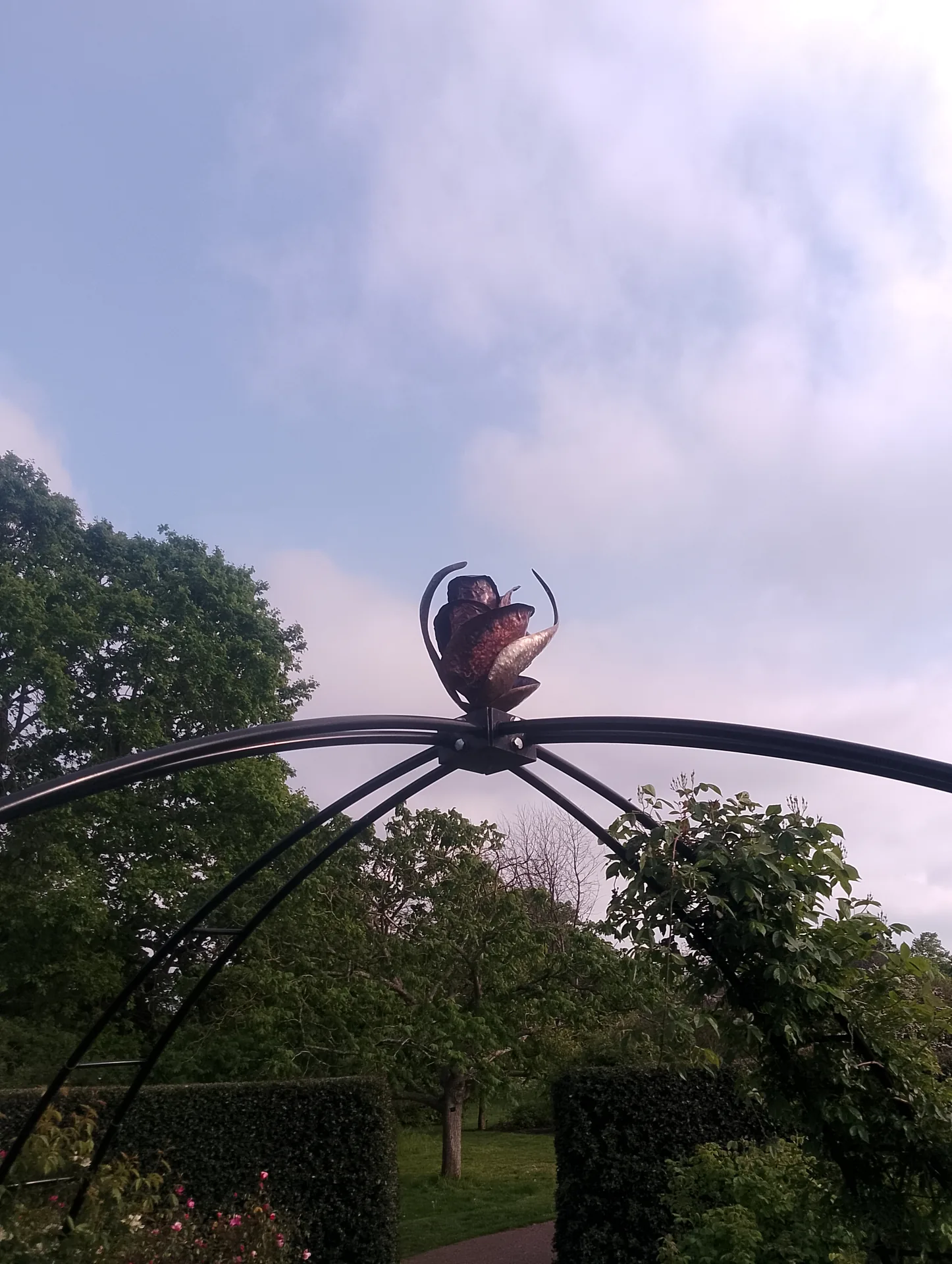
Back to the entrance at Victoria Gate, meet the friends, and a brief sit-down before we leave. A pleasant visit overall given the company. The gardens themselves were built around the 1800s, with construction of the greenhouses taking approximately twenty years a pop, and reflective of the times.
This prompts reflections on The Dramatic Universe Vol. 4 (History) viewed through the lens of cosmic synthesis. Viewing the gardens through the four early ‘religions’, it seemed that there were a number of artworks around with a ‘Great Mother’ style aesthetic - which is to be expected from any garden as the container of all. The dragon dogs and pagoda elements reminded me of ‘Great Spirit’ aesthetic; the Victorian architecture had a sense of the Saviour God, which represents mechanicity of sorts; and little visible traces of the Creator God - though this may just be that the aesthetic is hard to appropriately frame.
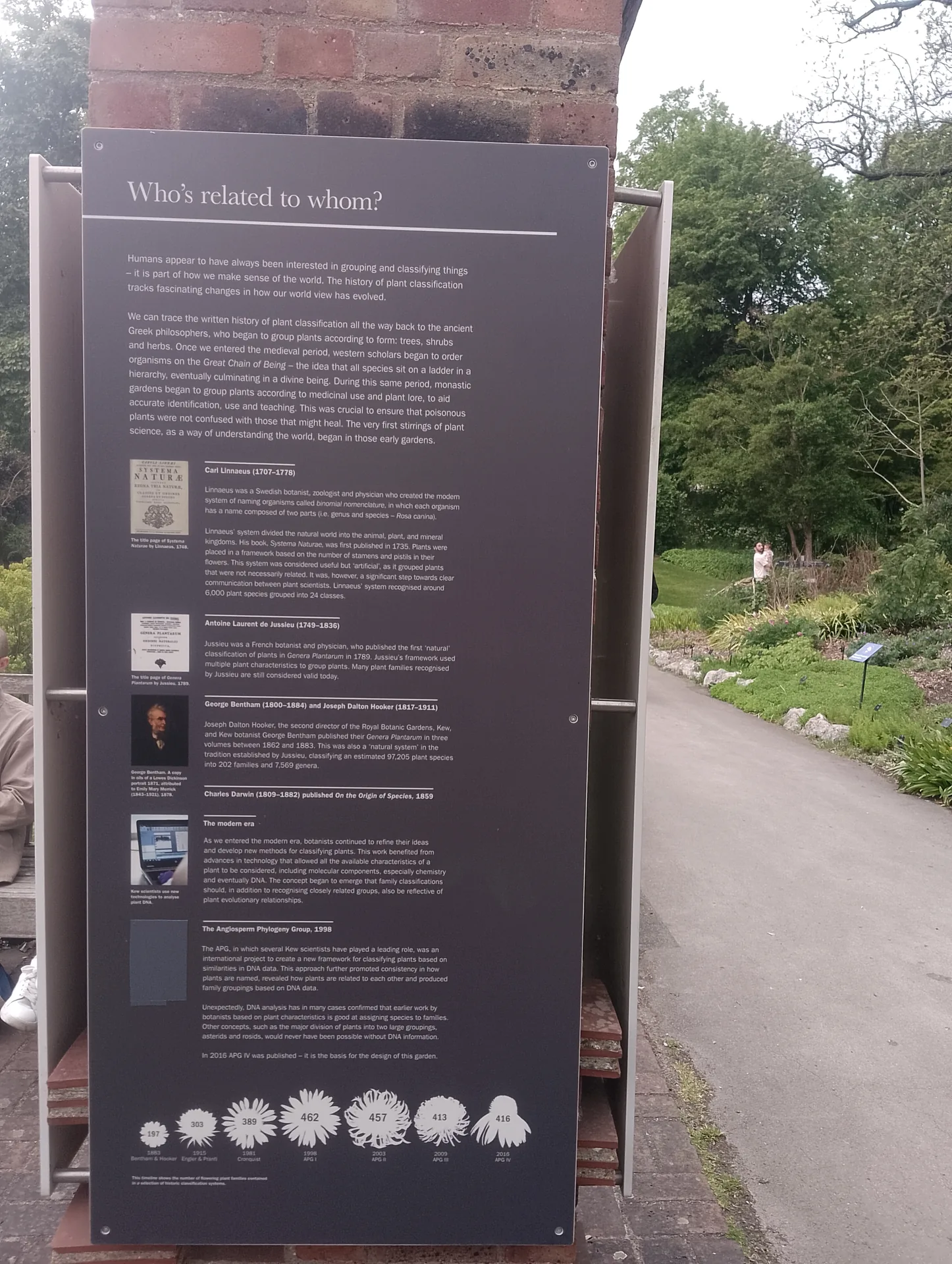
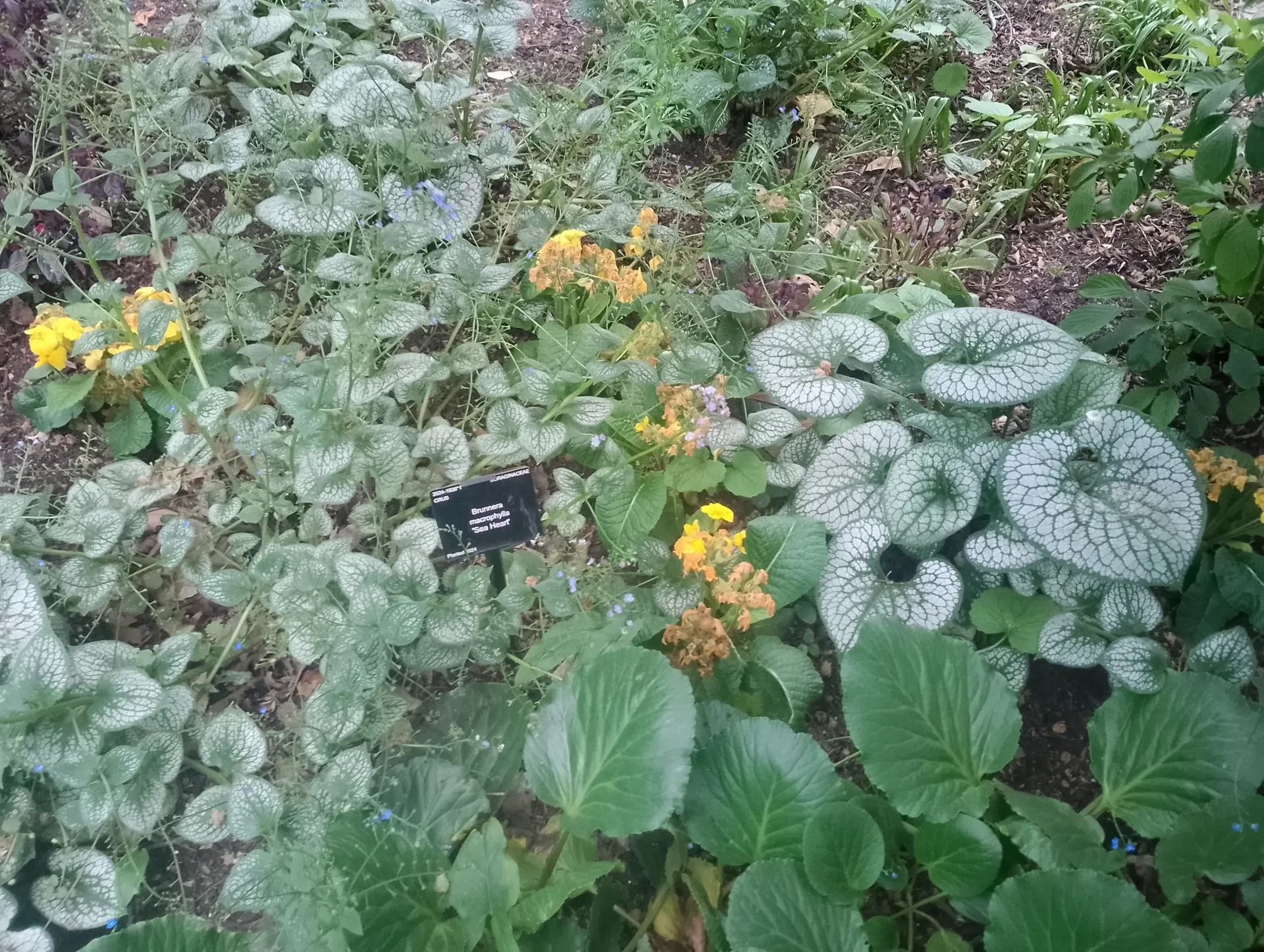
One thing that seems apparent is the lack of educational initiatives raising awareness of sustainability. Plant names and information, yes - but showing how this all connects in a meaningful way seemed to be missing. I’m sure there are some aspects that I missed, but the gardens are reflective of their period: the Victorian age.
This is in stark contrast to our next destination in Cornwall.